Key takeaways
- The Tata Sons AGM is scheduled for August 18.
- Tata Sons’ board is expected to decide on N Chandrasekaran’s reappointment before that meeting.
- An AGM is a yearly shareholder meeting. It is where owners review the company and vote on key matters.
- The decision matters because Tata Sons sits at the top of India’s biggest salt-to-software business group.
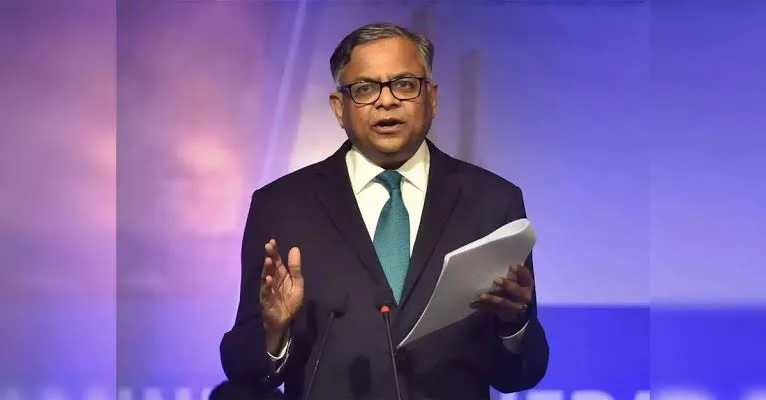
Tata Sons AGM is the annual general meeting of Tata Sons, the main holding company of the Tata group. It is set for August 18, and the big question is whether chairman N Chandrasekaran will get another term. That matters because Tata Sons guides a huge web of companies, from cars to software.
The meeting itself is routine, but the timing makes it important. Tata Sons is in the middle of big plans, including new factories, airline work, and group-wide investments. So investors, employees, and watchers want a clear signal on leadership before the meeting starts.
Why is the Tata Sons AGM getting so much attention?
The simple answer is leadership. Tata Sons’ board is expected to decide on Chandrasekaran’s reappointment before the AGM, according to reports. If that happens, the meeting could become a formal checkpoint rather than a surprise moment.
Chandrasekaran, often called Chandra, has led Tata Sons since 2017. That means he has been in the top seat for about 9 years by 2026. In big business groups, that is enough time to shape strategy, culture, and spending.
Tata Sons is not just one company. It is the holding company, which means it sits above many Tata firms and influences major decisions. Think of it like the control room for a giant family of businesses.
Those businesses touch millions of people. Tata Consultancy Services works in software. Tata Motors sells cars and trucks. Air India is rebuilding after its return to the group. Tata Steel, Tata Power, and Tata Consumer also affect daily life.
What does N Chandrasekaran’s reappointment mean?
If the board renews his term, it would signal continuity. Continuity means the same broad plan stays in place. That can calm markets, workers, and business partners, because they know who is steering the ship.
It also matters because Tata group companies are making huge bets. The group has pushed into semiconductors, electronics, aviation, and clean energy. These are long projects, so leaders usually want steady hands over several years.
For example, the Tata group has spoken about large manufacturing and technology ambitions in India. You can see that wider trend in moves like India Semiconductor Mission 2.0 getting ₹1.25 lakh crore backing. Big industrial plans need time, money, and strong coordination.
Chandrasekaran’s role is also broader than one business line. He helps balance old businesses with new ones. He also manages capital allocation, which means deciding where the group should put its money.
What exactly happens at an AGM?
An AGM is a yearly meeting between a company and its shareholders. Shareholders are the owners, even if they own just a small piece. At the meeting, they review performance, ask questions, and vote on some resolutions.
Those resolutions can include appointing directors, approving accounts, or confirming auditors. Auditors are the people who check the books. They help verify whether the company’s financial statements look fair and accurate.
In this case, the Tata Sons AGM could also be the backdrop for leadership confirmation. But the board decision may come first. That is common, because boards often settle major leadership issues before shareholders gather.
Here is a quick summary of the timeline:
| Item | What it means |
|---|---|
| Board decision | Expected before August 18 |
| AGM date | August 18 |
| Main issue in focus | N Chandrasekaran reappointment |
| Why it matters | Leadership stability at the Tata group’s top company |
How big is Tata Sons, really?
Very big. Tata Sons is the principal investment holding company of the Tata group, according to the group’s official information. A holding company is a parent company. It owns stakes in other companies and influences how the group moves.
The Tata brand spans more than 100 countries, and many group firms are household names. TCS alone is one of India’s largest companies by market value. So leadership at Tata Sons can ripple across many sectors at once.
That scale helps explain why the Tata Sons AGM draws attention even though Tata Sons is not a typical listed company. Listed means publicly traded on a stock exchange. Tata Sons is closely held, but its decisions still matter far beyond its own shareholder base.
It matters for India’s business story too. The group is tied to manufacturing, exports, jobs, airlines, software, and energy. Meanwhile, policy changes can affect the whole business climate, as seen in moves like RBI allowing banks to finance takeovers up to 75%.
Tata Sons AGM by the numbers
Three numbers tell the story quickly. The AGM is on August 18. Chandrasekaran took charge in 2017. By 2026, that adds up to roughly 9 years at the top.
Those numbers do not tell you everything, but they show why this moment matters. Nine years is long enough to start major projects, but not always long enough to finish them. So another term could shape what comes next.
Tata Sons AGM: key numbersAug 1820179 years1820179
What could happen next after the Tata Sons AGM?
If the board backs Chandrasekaran and shareholders follow through, the group would likely stay on its current path. That means continued focus on long-term investments, group restructuring, and execution. Execution means turning plans into real results.
If there is any surprise, the market will watch for clues fast. But right now, the main signal from reports is stability, not drama. That is often how big business groups prefer to handle top-level transitions.
The Tata group has several moving parts at once. Air India is still being rebuilt. Manufacturing plans are expanding. Global trade is also shifting, as seen in stories like why Vietnam’s manufacturing shift still leans on China.
There is another reason this matters. Large companies often make multi-year capital plans. If the same chairman stays, lenders, partners, and managers can plan with more confidence.
Why this story matters beyond one boardroom
This is not just a boardroom update. It is a signpost for one of India’s most influential business groups. A signpost is a clue about the direction ahead.
When leadership stays steady, companies can keep building without a reset. That matters in sectors where projects run for 5, 7, or even 10 years. It also matters for jobs, suppliers, and customers who depend on smooth decisions.
Here is the core point in one line:
Tata Sons is due to hold its AGM on August 18, and a board decision on N Chandrasekaran’s reappointment before that date would signal leadership continuity at the top of the Tata group.
For readers tracking Indian business, the Tata Sons AGM is worth watching because it connects leadership, long-term investment, and confidence. You may not see an instant impact at a shop or airport. But the choices made here can shape many parts of the economy over time.
For primary details on Tata group structure, readers can check Tata group company information. For corporate governance basics around annual meetings, the Ministry of Corporate Affairs offers company law resources at MCA.
FAQs
What is the Tata Sons AGM?
The Tata Sons AGM is the annual general meeting of Tata Sons. It is the yearly meeting where shareholders review the company and handle formal decisions.
Why is Chandrasekaran’s reappointment important?
It matters because he leads the parent company of the Tata group. If he stays, the group can keep following the same long-term plan.
When is the Tata Sons AGM?
The meeting is scheduled for August 18. Reports say the board may decide on the reappointment before that date.