Key takeaways
- Mahindra plans a Mahindra price hike in the coming weeks.
- The company says costs for making vehicles are still high.
- The move could affect popular SUVs and electric vehicles, or EVs. EVs are cars that run on batteries.
- Buyers who book before the change may save money, but final rules can differ by model and dealer.
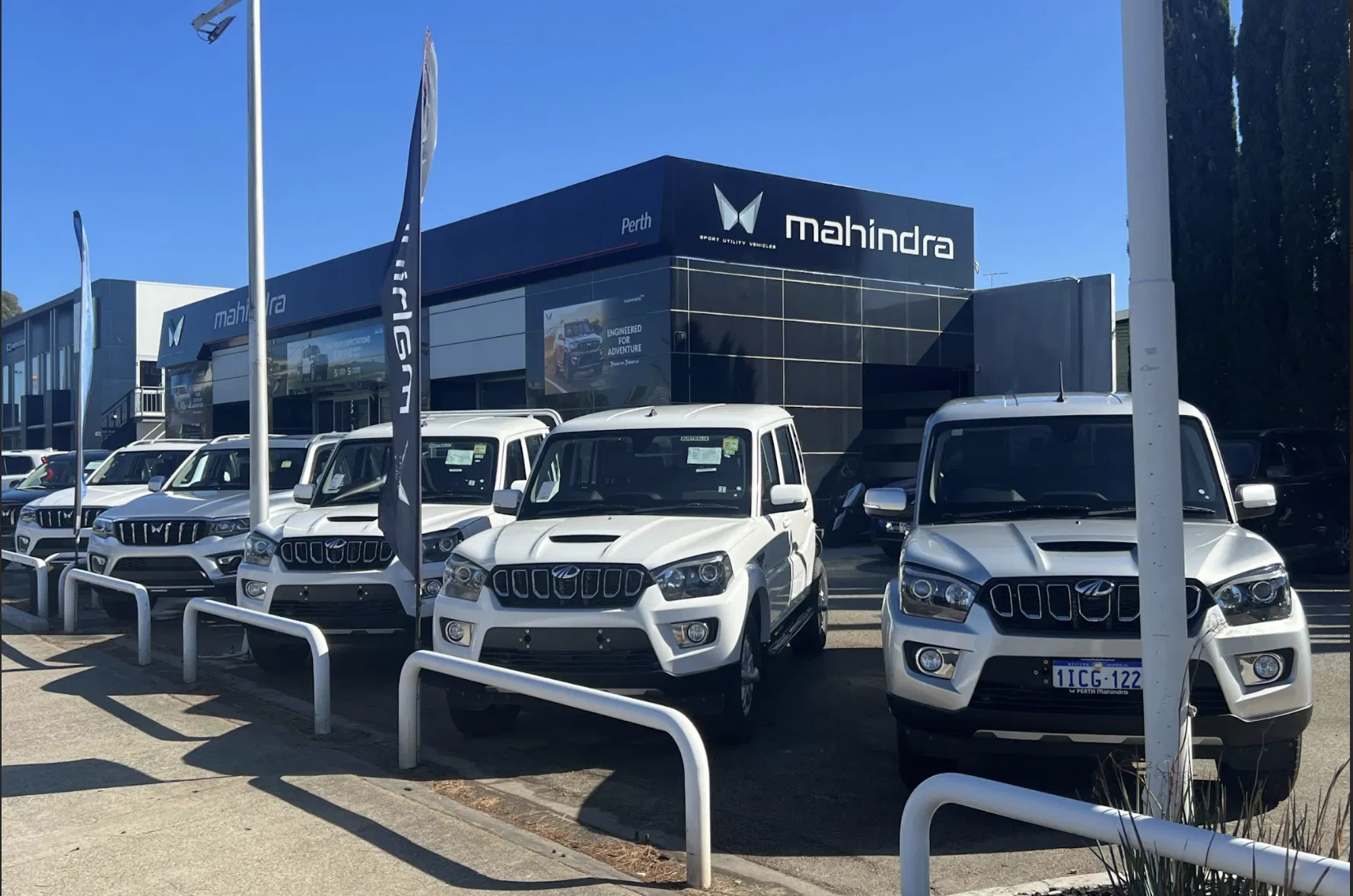
Mahindra price hike means Mahindra will raise vehicle prices soon. The company says factory input costs are still high. Input costs are the money needed to build a car. So SUV and EV buyers may have to pay more in the next few weeks.
That matters because Mahindra sells some of India’s most watched utility vehicles. These include the Scorpio, XUV700, Thar, and newer electric models. If prices rise, even by a small share, the final bill can jump by thousands of rupees once tax and insurance are added.
Why is Mahindra planning a price hike?
Mahindra says the main reason is rising input costs. Input costs include steel, aluminium, plastics, electronics, tyres, and shipping. Carmakers also pay more when parts become harder to source, or when currencies move against them.
Think of it like making a bicycle at home. If the wheels, chain, and paint all cost more, the final bicycle costs more too. Carmakers face that same pressure, but on a much bigger scale and across thousands of parts.
The company has not yet shared the exact size of the Mahindra price hike across each model. That means buyers still need to wait for the final list. But even a 1% to 3% rise can be meaningful on cars priced between ₹10 lakh and ₹30 lakh.
For example, a 2% increase on a ₹15 lakh SUV is ₹30,000. A 2% rise on a ₹25 lakh vehicle is ₹50,000. Then road tax, insurance, and accessories can push the out-the-door cost even higher.
Which Mahindra vehicles could be affected by the Mahindra price hike?
Mahindra has not published a model-by-model breakup yet. Still, the likely impact will be across its wide lineup because cost pressure usually touches many vehicles at once. That may include petrol, diesel, and electric models.
Its best-known SUVs include the Bolero, Scorpio-N, XUV3XO, XUV700, and Thar family. Mahindra also has a growing EV push. EV stands for electric vehicle. These models matter because they sit in hot parts of the market where buyers compare every feature and price.
If you are shopping now, ask one simple question at the dealership: is your booking protected from the Mahindra price hike? Some dealers honour the old ex-showroom price for earlier bookings. Ex-showroom price is the car’s base sticker price before road tax and insurance.
How big could the extra cost be for buyers?
The company has only said prices will go up in the coming weeks. It has not given a fixed percentage for all vehicles. So the extra cost may vary by model, trim, and city.
Here is a simple estimate of what small hikes can look like for buyers:
| Vehicle price | 1% hike | 2% hike | 3% hike |
|---|---|---|---|
| ₹10 lakh | ₹10,000 | ₹20,000 | ₹30,000 |
| ₹15 lakh | ₹15,000 | ₹30,000 | ₹45,000 |
| ₹20 lakh | ₹20,000 | ₹40,000 | ₹60,000 |
| ₹25 lakh | ₹25,000 | ₹50,000 | ₹75,000 |
These figures are only examples, not Mahindra’s official price list. But they show why timing matters. A buyer stretching to afford a car loan may feel even a ₹20,000 change.
Estimated increase on ₹15 lakh vehicle1%2%3%₹15k₹30k₹45k
Why are car prices rising across the industry?
Mahindra is not alone. Carmakers often raise prices when metal costs, freight, electronics, or compliance bills climb. Compliance means meeting safety or pollution rules set by the government.
Cars today also pack more tech than before. Touchscreens, sensors, cameras, and chips all add cost. Chips are tiny electronic brains inside the car. So even if steel cools down, other parts can still stay expensive.
There is also strong demand in some SUV segments. When demand stays healthy, companies find it easier to pass on part of the cost. Pass on means they ask customers to pay more instead of absorbing the whole hit themselves.
Mahindra has been one of the strongest names in utility vehicles, which helps explain the timing. Buyers have shown steady interest in larger vehicles. Meanwhile, the company is also spending on electric products and future launches.
What does this mean for Mahindra buyers right now?
The clearest answer is this: if you already plan to buy, check prices soon. A confirmed booking before the Mahindra price hike could save money. But read the booking terms carefully because protection rules differ.
Also ask about waiting period, financing, and insurance quotes. Financing means borrowing money to buy the car. Sometimes a small rate cut on the loan can offset part of a price rise.
If your chosen model has a long waiting period, the old price may not always hold till delivery. That depends on the dealer policy and the company rule. So get any promise in writing.
The short answer for buyers is simple: the Mahindra price hike means SUVs and EVs may soon cost more because making them still costs more.
How does this fit into the wider auto story?
India’s auto market has seen mixed signals this year. Demand has stayed firm in some SUV pockets, while entry-level cars face pressure. That split matters because Mahindra is strongest where buyers still want feature-rich utility vehicles.
For broader business context, readers can also see how policy and demand are shaping nearby sectors. We recently covered IndiGo Lite and changing travel pricing, foreign investors buying Indian bonds, and June GST collections at ₹1.95 lakh crore. Those stories help show how consumers, investors, and businesses are all reacting to costs and demand.
On the policy side, input prices in energy also matter for transport and manufacturing. You can compare that with our report on the cut in windfall tax on diesel exports. Energy costs do not decide car prices alone, but they are part of the larger cost picture.
For primary-source context on vehicle sales and industry data, readers can track monthly numbers from SIAM and policy notices from the Ministry of Road Transport and Highways. Those sources help explain why costs, rules, and demand keep shifting.
What should buyers watch next?
Watch for the official model list, revised ex-showroom prices, and any booking protection note. Those three details will tell you the real effect of the Mahindra price hike. Until then, estimates are only rough guides.
It is also smart to compare offers from rival brands in the same segment. If one company raises prices and another adds discounts, the gap can close fast. So the smartest buyer does not look at sticker price alone.
One more thing matters: total ownership cost. That includes fuel or charging, service, insurance, and resale value. A car with a higher upfront price may still make sense if it costs less to run later.
FAQs
What is the Mahindra price hike?
The Mahindra price hike is Mahindra’s plan to increase vehicle prices in the coming weeks because input costs remain high.
Which vehicles may get costlier?
Mahindra has not released a full list yet. But SUVs and EVs across its lineup could be affected.
When should buyers act?
Buyers should check with dealers now. If booking protection applies, ordering before the change may help save money.