Key takeaways
- The Centre has tightened the rule on how much broken grain can be mixed into ration rice.
- This change could improve ration rice quality for millions of families using the public system.
- The new cap drops from 25% to 10% for rice supplied under key welfare schemes.
- The move matters because rice with fewer broken pieces usually cooks better and looks cleaner.
Ration rice quality is the standard of rice people get through government food schemes. It includes how clean the rice looks, how many grains are broken, and how well it cooks. The Centre has now changed one key rule, so ration rice quality may improve for crores of families.
The update comes from the Union government’s food department. It has revised the allowed level of broken rice in stocks supplied through the public food system. Broken rice means grains that have snapped into pieces. Smaller pieces are still edible, but too many can make the rice feel low-grade.
What has changed in ration rice quality rules?
The biggest change is simple. The Centre has cut the allowed broken rice share from 25% to 10% for rice distributed under welfare schemes. That is a sharp drop of 15 percentage points.
In plain words, for every 100 kilograms of rice, earlier up to 25 kilograms could be broken pieces. Now only 10 kilograms can be broken. That should lift ration rice quality in a way people can actually see in the bag and on the plate.
This rule applies to rice issued through the public distribution system. The public distribution system is the government network that gives subsidised or free grain to eligible families. It is often called PDS. Agencies such as the Food Corporation of India, or FCI, handle procurement and storage.
Why does broken rice matter so much?
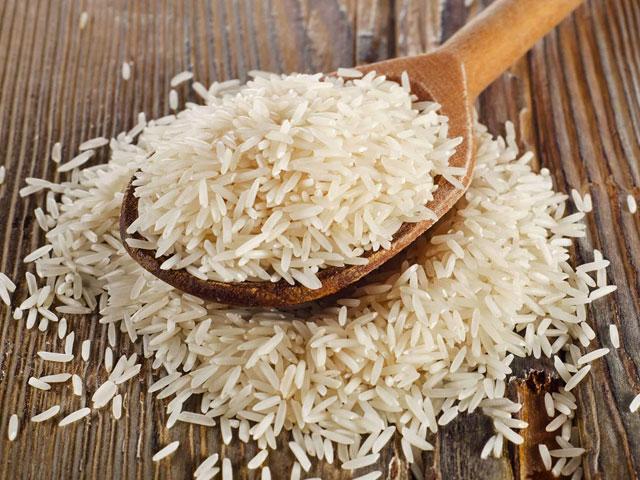
Broken rice is not unsafe food. It is rice that cracked during milling or handling. Milling means removing the outer layer from paddy to make edible rice. But if there is too much broken grain, people often see it as poor-quality ration.
That matters because food aid should not feel like leftovers. A family cooking dinner wants rice that looks even and cooks well. Whole grains usually hold shape better, while many tiny bits can turn soft and mushy faster.
So this is not just a technical tweak. It is a quality issue that affects trust. If people believe the ration shop gives weak grain, they may feel the system does not respect them.
How many people could feel the impact?
The answer is huge. India’s free and subsidised food system reaches about 80 crore people under the National Food Security Act and related schemes. That is larger than the population of most countries.
Even a small quality shift can touch millions of kitchens each day. If each eligible person gets 5 kilograms a month, that adds up to roughly 400 crore kilograms for 80 crore people. A better grain standard across such a large network can make a visible difference.
Here is a quick look at the old and new rule.
| Measure | Earlier norm | New norm |
|---|---|---|
| Allowed broken rice share | 25% | 10% |
| Broken rice in 100 kg stock | 25 kg | 10 kg |
| Reduction | 15 percentage points | |
Allowed broken rice in ration supply25%10%Old ruleNew rule
Why did the government act now?
The Centre appears to be responding to a long-running complaint. Many ration users and state officials have said grain quality can vary a lot. Some bags contain more small fragments, dust, or uneven grain than families expect.
By tightening the norm, the government sends a message to suppliers and millers. Quality cannot slide just because the grain is meant for welfare. In fact, this kind of rule matters more in welfare, because the people using it often have the least room to choose.
The move also fits a broader pattern. Governments are under pressure to make big welfare systems work better, not just cheaper. We have seen that in digital delivery too, for example in our coverage of the Aadhaar app update and what the new UIDAI app changes.
Will people notice ration rice quality right away?
Probably not everywhere on day one. India’s grain system is vast, with old stock, transport delays, and different state-level processes. So the effect may roll out in stages.
Still, the rule itself is clear. Future supplies should have fewer broken grains if agencies enforce the standard well. Enforcement means checking whether the rule is followed. That usually needs inspection, testing, and rejecting poor batches.
One clear answer you can quote is this:
India has not changed how much rice families get, but it has tightened how good that rice should be. By lowering the broken rice limit from 25% to 10%, the Centre is trying to make ration rice look better, cook better, and feel fairer to the people who depend on it.
What could still go wrong?
A tighter rule works only if the supply chain obeys it. The supply chain means all the steps from buying grain to milling, storing, moving, and handing it out. If checks are weak, bad lots can still slip through.
There is also a cost angle. Better sorting and cleaner milling may raise handling costs a bit. But the public benefit could be worth it, since the system serves so many people.
Storage matters too. Even good rice can lose quality if warehouses are damp or poorly managed. That is why standards on paper help most when storage and movement improve as well. Similar policy details matter in other sectors too, as seen in our report on RBI allowing banks to finance takeovers up to 75%, where one rule change can shift real outcomes.
How does this fit into India’s bigger food system?
India buys rice and wheat at scale, then sends it through welfare channels. Procurement means the government purchases crops, often at a fixed support price. This keeps the food system running for both farmers and families.
Because the system is so large, tiny rule changes can have giant effects. A 15-point cut in broken rice allowance is not small. Across millions of tonnes, it changes what acceptable stock looks like.
For official details, readers can track updates from the Department of Food and Public Distribution and grain handling information from the Food Corporation of India. For broader policy context, you can also read our pieces on June GST collections rising to ₹1.95 lakh crore and UPI transactions hitting 22.72 billion in June, which show how big government systems now work at national scale.
What should families and states watch next?
Families should watch whether rice from ration shops looks cleaner over the next few distribution cycles. States should watch inspection results, complaint levels, and supplier compliance. Compliance means following the rule.
If the rule is enforced well, ration rice quality could become more consistent across regions. That would be a practical win, not just a policy note. And if complaints fall, the government may point to this change as proof that small standards can improve daily life.
For now, the headline is simple. The Centre has not increased the amount of rice. It has raised the bar on ration rice quality. For many families, that may matter just as much.
FAQs
What is broken rice?
Broken rice is rice grain that snapped into smaller pieces during milling or handling. It is edible, but too much of it can make rice look and cook worse.
Why did the government change the rule?
The government wants better ration rice quality in welfare supplies. Lowering the broken grain cap should improve the rice people receive.
Will ration rice quality improve everywhere now?
It may improve gradually, not instantly. The result depends on inspections, stock rotation, and how well states and agencies enforce the new rule.