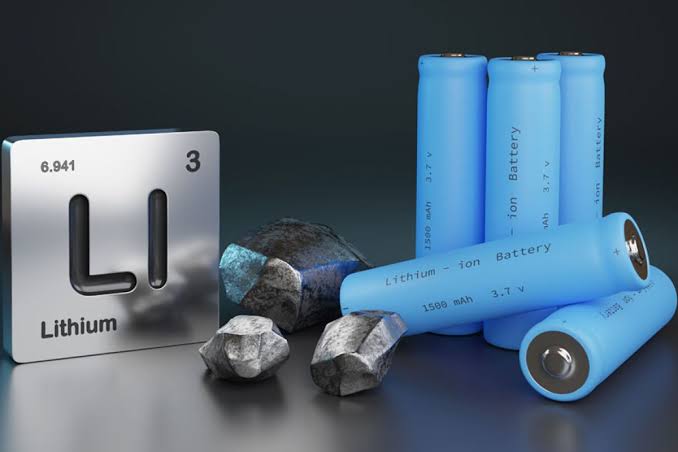
Lithium futures are now open to foreign traders in China. Lithium futures are contracts to buy or sell lithium at a set price later. That matters because lithium helps make EV batteries, and China is the biggest battery market. So this change could affect prices far beyond China.
Key takeaways
- China has opened its lithium futures market to overseas traders.
- Lithium is a key battery metal, so the move matters for EVs and energy storage.
- Futures help companies hedge. Hedge means they protect themselves from price swings.
- The change may give global buyers a new price signal from China.
- It also shows China wants a bigger say in how battery materials are priced.
What changed in China’s lithium futures market?
China has allowed foreign traders to join its domestic lithium futures market. The contracts trade on the Guangzhou Futures Exchange, which launched lithium futures in 2023. A futures exchange is a marketplace for price contracts, not bags of metal.
Before this step, China’s lithium pricing tools were mostly for local players. Now overseas producers, traders, and users can take part too. That opens the door to more money, more trades, and a broader view of where lithium prices may go.
China already plays a huge role in the battery chain. It refines large amounts of battery metals and makes many of the world’s EV batteries. Because of that, opening lithium futures to foreign traders could make China’s prices more influential.
Why do lithium futures matter so much?
Lithium sits inside many rechargeable batteries. You’ll find those batteries in electric cars, grid storage units, and phones. So when lithium prices jump or drop, battery makers feel it fast.
Lithium futures help companies plan ahead. A carmaker can lock in a future price, for example. That can soften the shock if the spot price moves hard. Spot price means the price for buying something right now.
This market matters because lithium prices have swung wildly. In the last few years, prices surged during the EV boom, then fell as supply grew faster. Big swings make budgeting tough for miners, refiners, battery firms, and automakers.
That is why futures markets exist. They don’t remove risk, but they can shift it. Some traders want protection, while others are willing to bet on where prices go next.
How big is China’s role in the battery supply chain?
China is central to the global battery story. It leads in battery manufacturing and processes a large share of key materials. That gives its exchanges a chance to shape benchmark prices. A benchmark is a reference price many deals use.
The global EV market is already massive. EV sales topped 17 million in 2024, according to the International Energy Agency. Meanwhile, battery demand keeps growing as countries push cleaner transport and more power storage.
Here’s a quick picture of why lithium futures matter in China:
Key numbers behind lithium demandEV sales17M+China roleHighFutures2023
The chart is simple, but the point is clear. EV demand is large, China’s role is big, and the lithium futures market is still quite new. Opening it to foreign traders could speed up its growth.
| Point | What it means |
|---|---|
| Foreign access | Overseas traders can now join China’s lithium contracts |
| Exchange | Trades happen on the Guangzhou Futures Exchange |
| Main use | Price hedging for battery metals |
| Why it matters | Could improve price discovery in Asia |
What does this mean for prices and companies?
The biggest impact may be on price discovery. Price discovery means the market finding a fair price through many trades. If more foreign players join, prices may reflect global demand and supply more closely.
It could also help companies manage risk across borders. A battery maker in South Korea, a trader in Singapore, or a miner in Australia may now watch China’s lithium futures more closely. Some may use them directly if the rules fit their business.
There is also a strategic angle. Commodity exchanges help countries build influence. By widening access, China may be trying to make its market a global center for battery-metal pricing, much like older exchanges did for oil or copper.
Still, foreign participation may grow slowly at first. Traders will check contract rules, taxes, settlement terms, and currency issues. Settlement means how the deal is finished and paid for. If those steps feel smooth, use could rise faster.
Could this affect India and other Asian markets?
Yes, at least indirectly. India is pushing harder into EVs, battery making, and clean-energy storage. So any new price hub for lithium can matter to Indian importers, battery firms, and automakers.
India is also trying to strengthen trade links and supply access. You can see that in moves like India’s plan to conclude FTAs with Canada, Mexico and Brazil. An FTA is a free trade agreement. It cuts trade barriers between countries.
For Indian households, battery costs may sound distant, but they flow into real products. They affect EV prices, power backup systems, and some electronics. Meanwhile, energy markets stay linked in other ways too, as seen in India’s LPG import mix and changes across regional supply chains.
There is a money angle as well. If raw material prices swing, financing and debt can get harder for families and firms. That connects loosely with wider credit stress shown in India’s rising household debt data. Different markets, same lesson: volatility can spread.
What should readers watch next?
Watch trading volumes first. Volume means how many contracts change hands. If overseas volume rises, the market may gain trust and influence. If it stays thin, global firms may keep relying on older price references.
Also watch whether miners, battery makers, and automakers actually hedge there. Real industrial use matters more than headlines. A market becomes important when companies use it to run everyday business.
Then keep an eye on lithium itself. Supply from mines in Australia, South America, and Africa can shift prices. So can battery technology changes, recycling growth, and EV demand. The market is not just about one exchange.
One simple takeaway stands out: China opening lithium futures to foreign traders gives the world another place to set battery-metal prices. If enough global players join, this market could become a major signal for the EV economy.
China’s move means foreign companies can now use its lithium market to hedge risk and read price signals. If trading grows, China’s lithium benchmark could matter more in global battery deals.
For background on China’s policy framework, readers can also check official updates from the China Securities Regulatory Commission. Rules from exchanges and regulators will decide how fast this new access turns into real global use.
FAQs
What are lithium futures?
Lithium futures are contracts that set a future buying or selling price for lithium. They help firms manage price risk.
Why did China open this market to foreigners?
China likely wants more global participation and stronger pricing power. More traders can also make the market deeper and more useful.
How could this affect EV prices?
It won’t change car prices overnight. But better hedging and clearer lithium prices can shape battery costs over time.
Who is most likely to use these contracts?
Miners, metal traders, battery makers, and car companies are the main users. They all face lithium price swings.
Get the day’s top stories in your inbox
One concise email. No spam, unsubscribe anytime.