Key takeaways
- Micro dramas are very short shows made for phones, usually in vertical video.
- These apps aim to make money through small episode payments, ads, and subscriptions.
- The format is growing because people want fast stories they can watch in a few minutes.
- India could become a big market as creators, studios, and apps test new ways to sell short fiction.
Micro dramas are tiny TV-style shows built for phone screens. Micro dramas means short fiction episodes, often just one or two minutes each. They are becoming a real business, not just a trend. That matters because viewers now spend hours on short video apps.
Think of them as soap operas in snack size. A cliffhanger is a tense ending that makes you want the next part. These shows use cliffhangers a lot, so people keep tapping for one more episode. That simple trick is helping new apps chase serious money.
Why are micro dramas getting so much attention?
People already watch short videos on Instagram, YouTube, and other apps. So entertainment companies see a chance to turn that habit into paid storytelling. Instead of asking viewers for 30 minutes, they ask for 90 seconds. That feels easy.
The pitch is simple. You get fast stories, strong emotions, and constant twists. A twist is a surprise change in the plot. For viewers, it feels fun and light. For apps, it can mean more daily visits and more chances to earn.
Industry reports around the world show why investors care. Short-form video already reaches billions of users. In India alone, online video has a huge audience, and cheap mobile data helps. Because of that, even a small paid conversion can add up fast.
How do micro dramas make money?
The biggest model is micropayments. A micropayment is a very small digital payment, like a few rupees to unlock an episode pack. Users may watch the first few episodes free. Then the app charges for the next set, often right when the story gets exciting.
Some apps also sell subscriptions. A subscription is a recurring monthly fee. Others depend on ads, brand deals, or virtual coins. Virtual coins are app tokens that users buy with real money. The mix matters because viewers in different countries pay in different ways.
Here is the basic business math. If 1 lakh users each spend ₹50 in a month, revenue becomes ₹50 lakh. If 10 lakh users do that, revenue jumps to ₹5 crore. Those are simple examples, but they show why companies are moving quickly.
Sample monthly revenue1 lakh2 lakh₹50L₹1Crusers spending ₹50 each
That is why this market has drawn studios, tech companies, and creators. A creator is someone who makes online content. Traditional TV takes more time and money. But these short shows can be shot faster, tested faster, and changed fast if viewers lose interest.
What makes micro dramas different from reels?
A reel is usually a single short clip. Micro dramas are built as serial stories with many episodes. Each part pushes the next one. That makes them closer to a TV series than a casual video, even if both live on a phone screen.
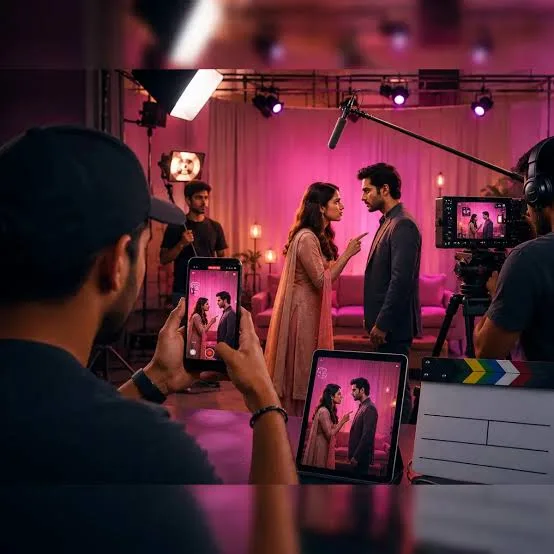
The production style is different too. Many shows use vertical framing because phones are held upright. Vertical video means tall video, not wide video. Scripts are tighter, scenes are shorter, and dialogue is punchier. Every second has a job.
That also changes acting and editing. Editors cut quickly because attention drops fast online. An editor shapes the final video by choosing and arranging shots. Music, reaction shots, and dramatic reveals matter more here than slow, quiet scenes.
Could micro dramas work in India at scale?
India looks like a strong testing ground. The country has a giant mobile-first audience, many regional languages, and a deep love for daily drama. Mobile-first means most people mainly use phones, not laptops, to go online. That fits the format well.
There is also a local content machine ready to help. TV writers, digital creators, and small studios already know how to make emotional, high-speed stories. Regional language content could be key because it brings in viewers beyond big cities. That’s where scale often comes from.
Payment remains the hard part. Many users love free content, so apps must keep prices low. For example, ₹5, ₹10, or ₹20 unlocks may feel easier than a big monthly bill. As a result, companies may mix ads and payments instead of betting on one model.
| Model | How it works | Main challenge |
|---|---|---|
| Micropayments | Pay small amounts per episode or pack | Getting enough users to spend |
| Subscription | Monthly fee for many shows | Convincing viewers to stay |
| Advertising | Free viewing with ads | Needs large audience scale |
What are the risks in the micro dramas boom?
Fast growth can bring fast mistakes. If too many shows look the same, viewers may get bored. If stories rely only on shock, they may get clicks but not loyalty. Loyalty means users return again and again over time.
There is also a quality problem. Cheap production helps companies launch quickly, but weak writing can hurt trust. People may try one show and leave. In fact, retention matters more than installs. Retention means how many users keep coming back after the first visit.
Rules could matter too. Apps must handle copyright, payments, and age-appropriate content carefully. Copyright means the legal right to control creative work. India has already shown it can act on digital content issues, as seen in our report on the notice to Telegram over pirated content.
What does this mean for creators, platforms, and brands?
For creators, micro dramas open a new lane between reels and web series. You do not need movie-level budgets to test ideas. But you do need strong hooks, fast pacing, and clear endings. That can create jobs for writers, actors, and editors.
For platforms, the race is about habit. If users open an app five times a day, money follows. A platform is the app or service that delivers content. That is why recommendation systems matter. They decide which show appears next, and that can change revenue.
Brands may join in as sponsors if the audience becomes steady. A sponsor pays to be linked with content. We have seen new digital formats attract business interest before, whether in entertainment tech or AI platforms like Kling AI’s recent funding push. The idea is similar: attention can turn into a business very quickly.
There is a broader shift here as well. People want stories that fit bus rides, lunch breaks, and waiting lines. That does not kill long movies or TV. But it does create a fresh category in between. Micro dramas fit that gap almost perfectly.
What should readers watch next in the micro dramas market?
Watch three things. First, see whether Indian apps can build a library of hit shows. A library means a strong collection of content. Second, watch pricing. If viewers resist payments, ad-heavy models may win. Third, watch regional expansion into Hindi, Tamil, Telugu, and other languages.
Also watch who enters the market. Big media companies may buy smaller apps or partner with them. An acquisition is when one company buys another. If that happens, micro dramas could move from experiment to mainstream business faster than many expect.
For the latest source details on this trend, readers can track reporting from Financial Express and broader digital media data from IBEF. You can also explore how fast digital habits are changing in other sectors, from faster online PF claim processing to platform-led growth at Square Yards.
Micro dramas are short, phone-first fiction shows that try to turn quick viewing into repeat payments, ads, and subscriptions. If apps can keep stories fresh and prices low, this could become a serious new media business in India.
FAQs
What are micro dramas?
Micro dramas are very short scripted shows made mainly for phone screens. Episodes often last one to three minutes.
How do micro dramas earn money?
They earn through small episode payments, subscriptions, ads, and in-app coin systems. Most apps use more than one method.
Why are micro dramas growing now?
They are growing because people already watch lots of short video. Faster phones, cheap data, and mobile habits make the format easier to sell.
Get the day’s top stories in your inbox
One concise email. No spam, unsubscribe anytime.