India’s Commerce and Industry Minister, Piyush Goyal, announced that negotiations for Free Trade Agreements (FTAs) with Canada, Brazil, Mexico, and the Gulf Cooperation Council (GCC) are expected to see significant progress by the end of 2026.
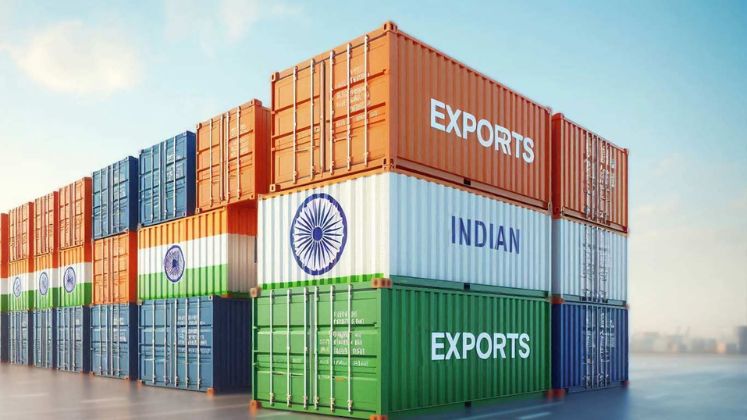
Speaking at the 17th Toy Biz International B2B Exhibition in New Delhi, Goyal highlighted that these upcoming trade pacts will open up massive new commercial pipelines for Indian exporters, particularly in high-income and developed markets.
1. Expanding Beyond Existing Pacts
India has already concluded nine FTAs under its current leadership, giving domestic manufacturers widespread access to major global markets. The inclusion of major Latin American economies like Brazil and Mexico, alongside Canada and the GCC block, represents a major geographical expansion of India’s trade strategy.
Plaintext
[ INDIA'S UPCOMING TRADE FOCUS AREAS ]

Targeted FTAs (Progress expected by 2026-end):
├── Canada (North American supply chains, AI, and energy)
├── Mexico (Automotive, manufacturing, and engineering gateways)
├── Brazil (South American market anchor)
└── GCC (Gulf Cooperation Council - Energy and regional commerce)
2. The Strategic Push for Global Markets
The government is actively pushing fragmented, labor-intensive domestic sectors—such as the toy industry—to aggressively leverage these trade networks to scale up operations.
- The Toy Market Goal: Goyal urged Indian toy manufacturers to target a 5% share of the global toy market within the next six years, aiming to boost current exports tenfold. India currently accounts for only about 0.3% of the estimated $120 billion global toy industry.
- Quality Infrastructure: To help Indian businesses remain competitive on an international level and withstand unfair imports, the government promised to set up modern testing facilities across key manufacturing clusters via the Bureau of Indian Standards (BIS) and the National Test House.
- Overseas Infrastructure: The Commerce Ministry also proposed a model to support the creation of warehousing facilities abroad during their initial years, facilitating just-in-time delivery and better market access for Indian exporters.
By driving these trade talks forward through the end of 2026, New Delhi aims to firmly position India as a global manufacturing hub, backing up its tariff strategies with reliable, multi-national legal trade corridors.
Get the day’s top stories in your inbox
One concise email. No spam, unsubscribe anytime.