Meet Kevin Warsh, the Hawkish New Fed Chair Reshaping US Interest Rates
There is a new boss at the most powerful bank in the world. His choices will touch your wallet too. The Kevin Warsh era at the Fed has begun. Markets already expect a tougher, more “hawkish” way of setting America’s interest rates. An interest rate is what it costs to borrow money. “Hawkish” means he likely wants to keep rates high for a long time.
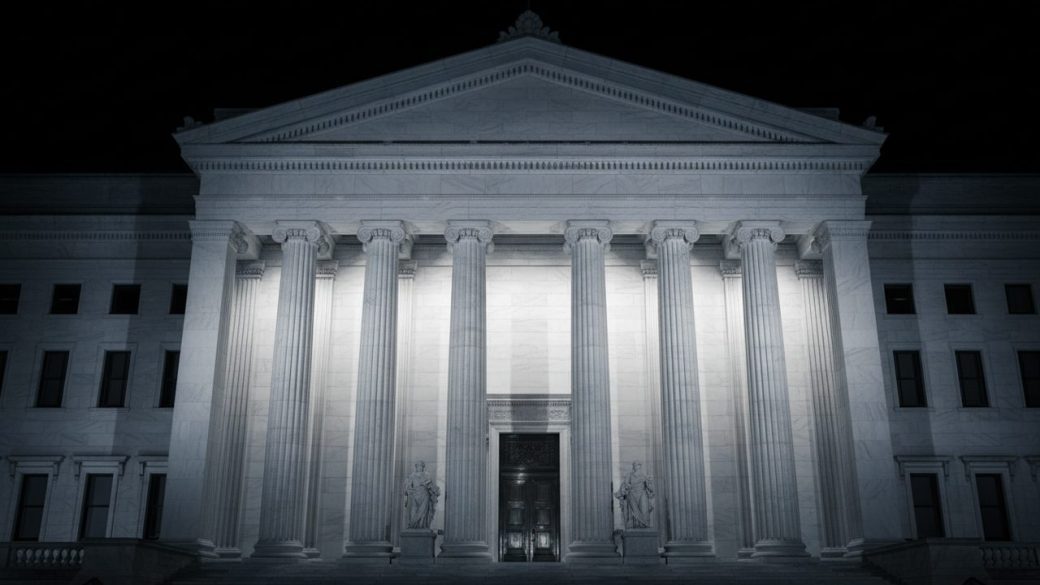
Warsh is the new chair (the top leader) of the US Federal Reserve. The Federal Reserve, often called “the Fed”, is America’s central bank. A central bank is the main bank that controls a country’s money. The Fed sets the country’s main interest rate. Because the US dollar is used all over the world, even a small move by the Fed can shake markets from New York to Mumbai.
So who is this man? Why do people call him “hawkish”? And what does his new job mean for India, for business founders, and for normal people who borrow money? Here is a simple guide.
Who is Kevin Warsh?
Kevin Warsh is not new to the Fed. Years ago he was a Fed governor (one of the Fed’s senior leaders). He worked there during the 2008 financial crisis, when banks and markets nearly collapsed. So he knows the place well. Reports trace his path from the city of Albany to becoming America’s choice to lead the central bank.
One detail caught everyone’s eye. News reports have called him the “world’s richest Fed chair”. His personal wealth comes from his family business and his marriage. Reports say it is far bigger than that of past Fed chairs. That is unusual, because this job is about serving the public, not about making personal money.
But his money is not the real story. The way he thinks is. Warsh has said for a long time that “easy money” can be risky. Easy money means very low interest rates that make borrowing cheap. This puts him firmly in the “hawkish” group before he even starts.
What does “hawkish” actually mean?
At central banks, leaders are called “hawks” or “doves”. A hawkish chair worries most about inflation. Inflation is when prices keep going up, so your money buys less each year. To fight inflation, a hawk likes higher interest rates. Higher rates make people spend less, and that helps cool prices down.
A dovish chair does the opposite. A dove cares more about jobs and growth. So a dove likes lower rates to keep the economy busy. Markets thought the new chair would be somewhere in the middle. Instead, experts now say markets should expect a “much more hawkish” Warsh than they first believed.
Think of higher rates like a brake pedal for the economy. They make borrowing more costly. That can stop prices from rising too fast. But it can also slow growth and slow down hiring.
How Warsh is trying to remake the Fed
Warsh has not just taken the top seat. He wants to change the Fed itself, according to close coverage of his early moves. That can mean changing how the bank talks to the public. It can also mean changing how it thinks about its balance sheet. A balance sheet is a list of what the bank owns and what it owes. And it can mean being more careful about cutting rates.
His first meeting as Fed chairman gave markets a few big takeaways. The clear message was this: do not expect easy rate cuts soon. A stricter, “inflation-first” tone now seems to be the normal way of thinking.
For investors, a Fed chair’s words can move markets just as much as the rate decision itself. Investors are people who put money into stocks and other assets to make a profit. Traders read every sentence for hints about the next step.
Key facts
| Item | As reported |
|---|---|
| Role | New US Federal Reserve chair |
| Stance | More hawkish than markets expected |
| Background | Former Fed governor; dubbed “world’s richest Fed chair” |
| Early signal | First meeting flagged a tougher, inflation-first tone |
| Market read | Fewer or slower rate cuts than hoped |
Note: these numbers and descriptions are only what the linked news reports say.
FAQs
What is the Federal Reserve?
The Federal Reserve, or “the Fed”, is the central bank of the United States. That is the main bank that controls the country’s money. It manages how much money is in the system. It also sets the country’s main interest rate to keep prices and jobs in balance.
Why is Kevin Warsh called hawkish?
A “hawk” puts fighting inflation first. To do that, a hawk likes higher interest rates. Warsh has long warned against “easy money”, which means rates that are too low. So experts expect him to keep rates high for a long time.
Will this affect India?
Yes, in an indirect way. When US rates stay high, money from around the world often moves toward the US. That can push down the value of the rupee and hurt Indian stocks. India’s own central bank also watches the Fed very closely.
Does a Fed chair set rates alone?
No. A group, or committee, votes on rate decisions. But the chair leads the meeting and shapes the message. So his views carry a lot of weight.
Why it matters (especially for India / founders)
US interest rates work like a kind of global gravity. When the Fed keeps rates high, investors can earn a safe return in dollars. A return is the profit you make on your money. So money often moves out of riskier markets like India and into the US. That can weaken the rupee and make foreign money harder to get.
For Indian founders, this is a big deal. A founder is a person who starts a company. Many startups depend partly on the mood of global investors. This includes companies in our coverage, like the Jio IPO and its huge fundraise. An IPO is the first time a company sells its shares to the public. A fundraise is when a company collects money from investors. A hawkish Fed makes this kind of risky money more costly and harder to get all over the world.
It also links to a bigger debate. Some experts already warn about an AI spending bubble. A bubble is when prices or spending grow far too fast and may crash later. When money costs more, investors may become even more careful about huge bets that burn lots of cash.
It touches everyday borrowers too. Higher global rates can keep loan costs and home EMIs firm. An EMI is the fixed amount you pay each month to repay a loan. But there is a bright side: savers may finally earn a bit more on their bank deposits.
The takeaway
Kevin Warsh has taken one of the most powerful jobs on earth. His message is clear and tough: inflation comes first. Markets now expect a more hawkish Fed than they had planned for. That could mean rates stay higher for longer. For India, for founders looking for money, and for anyone paying off a loan, the new Fed chair is worth watching closely. Remember, these are early days, and the facts here are only what has been reported so far.
Sources
- financialexpress.com — Warsh’s path to the Fed
- cnbc.com — How Warsh is remaking the Fed
- cnbc.com — A more hawkish Warsh Fed
- cnbc.com — Takeaways from his first meeting