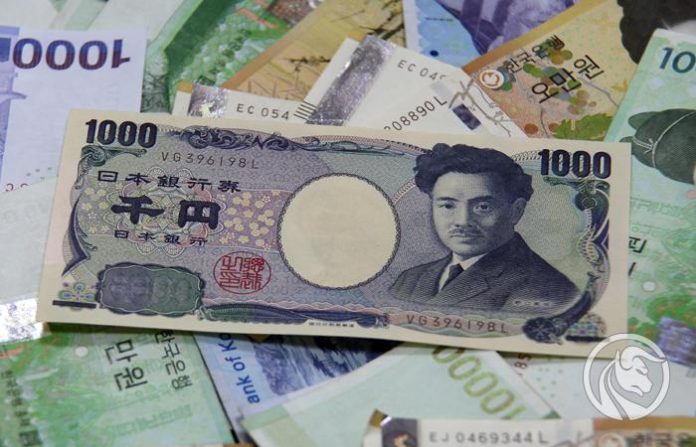


Japanese yen has plunged to the brink of a 40-year low against the US dollar, with the USD/JPY exchange rate pushing past 161.50 and sliding as low as 161.80. A minor drop past the 161.96 threshold will officially plunge the currency to values not witnessed since December 1986.
The rapid sell-off is escalating despite aggressive domestic measures to protect the currency, heightening global anxiety over a massive regulatory market intervention by Tokyo.
Divergent Central Banks Fuel the Sell-Off
The primary pressure engine is the macroeconomic decoupling between the US Federal Reserve and the Bank of Japan (BoJ).
- The Hawkish Federal Reserve: Led by Chair Kevin Warsh, the US Federal Reserve has maintained a strictly hawkish policy stance, leaving interest rates elevated between 3.50% and 3.75%. Hints that nearly half of the FOMC board anticipates another rate hike later this year have pushed US Treasury yields higher, drawing global liquidity strongly into the US dollar.
- The Sluggish Bank of Japan: While the BoJ executed a historic policy shift by raising its benchmark interest rates to a 31-year high, the move failed to stem the currency rout. Speculative traders continue to heavily short the yen because Japan’s core inflation has remained below the central bank’s 2% target for four consecutive months. This data has effectively killed market expectations for aggressive, consecutive domestic rate hikes.
Speculative Bets and the “Juneteenth Window”
The timing of the yen’s slide has put forex desks on high alert. The sharpest leg of the decline gathered momentum right after Japanese stock markets closed, spilling into global currency boards.
Because US equity and bond markets are closed for the Juneteenth federal holiday, thinned trading volumes across global markets have created a highly volatile environment. Foreign exchange analysts suggest that Japanese authorities frequently favor these windows of thin liquidity to launch surprise currency defenses, as their dollar deployment achieves maximum impact against lighter trading volumes.
Tokyo Prepares for “Decisive Action”
The market is rapidly approaching the threshold where Japan’s Ministry of Finance is expected to step in directly. Japan already burned through over $70 billion in direct market interventions earlier this year to cushion the yen’s drop, though the stabilizing effects proved temporary.
Japanese officials are rapidly escalating their verbal warnings to short-sellers. Finance Minister Satsuki Katayama informed G7 counterparts that Tokyo stands fully prepared to take “decisive action” to neutralize speculative, volatile currency swings. Market markers have identified the 161.95 to 162.00 zone as the final line in the sand; crossing it will likely trigger immediate, massive dollar-selling operations by the Japanese government to forcefully reset the exchange rate.