Key takeaways
- Some commercial ships have turned around near the Hormuz shipping lane because crews fear attack or seizure.
- The route matters a lot because about one-fifth of the world’s oil moves through the Strait of Hormuz.
- Ship owners can pick different paths, but none looks fully safe right now.
- If delays grow, oil, gas, freight, and insurance costs could rise fast.
The Hormuz shipping lane is the narrow sea route ships use to pass through the Strait of Hormuz. It links Gulf oil and gas exporters to the wider world. Now some vessels are making U-turns near it, because crews and owners think the trip looks too risky.
That matters far beyond the Gulf. This waterway sits between Iran and Oman, and it is one of the planet’s busiest energy chokepoints. A chokepoint is a narrow route where traffic can jam easily. So when even a few ships turn back, traders, governments, and families watching fuel prices all pay attention.
Why are ships turning back in the Hormuz shipping lane?
The short answer is fear. Ship crews worry about missiles, drones, seizures, and mix-ups at sea. A seizure means a ship is taken by force. That fear has grown as Iran challenges a US-backed shipping path in the area, according to reports cited by Financial Express.
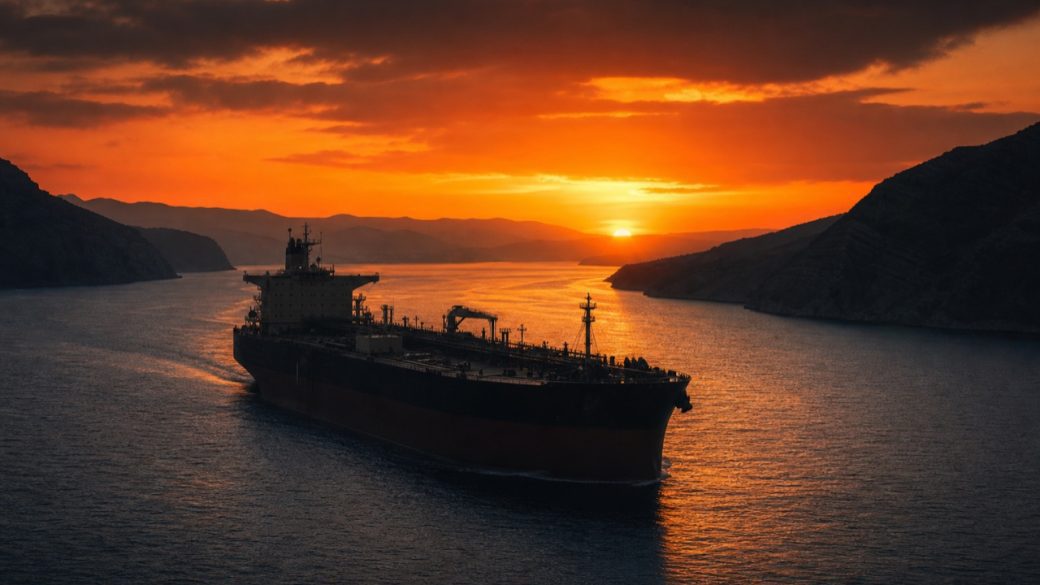
Commercial ships do not need a full blockade to panic. They only need a high chance of trouble. In fact, even a rumor can change a captain’s plan, because a tanker loaded with oil is huge, slow, and hard to protect once danger appears.
The Strait of Hormuz is very tight at its narrowest point. The strait itself is about 21 miles wide, or roughly 34 kilometers. But the actual traffic lanes are much slimmer, around 2 miles wide in each direction, with a 2-mile buffer in between. That leaves little room for mistakes.
Some ships have slowed down, waited outside the area, or turned around completely. Others are still crossing, but with extra caution. Meanwhile, insurers and ship managers are checking each voyage more closely, because one incident can cost millions of dollars and put lives at risk.
Why does the Hormuz shipping lane matter so much?
This route carries a massive share of global energy. The US Energy Information Administration says roughly 20 million barrels of oil moved through the Strait of Hormuz each day in 2024. That is close to 20% of world petroleum liquids consumption. Petroleum liquids is a broad term for oil and related fuels.
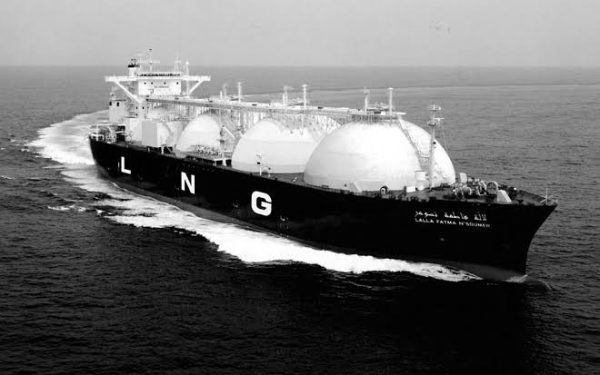
It is not just oil. Large volumes of liquefied natural gas also pass through here, especially from Qatar. Liquefied natural gas, or LNG, is natural gas cooled into liquid form for shipping. So trouble in the Hormuz shipping lane can affect electricity bills, factory costs, airline fuel, and prices at the pump.
India watches this closely because it imports most of its crude oil. Crude oil is unrefined oil before it becomes petrol, diesel, or jet fuel. India also buys energy from Gulf suppliers, so any delay in this corridor can matter for shipping schedules and import costs.
That is one reason this story links to wider supply chain worries. We recently explained how Asia supply chains shifted after the Hormuz shock. If shipping risk stays high, more businesses may rethink routes, stock levels, and delivery times.
What routes can ships use, and why is none fully safe?
Reports say ship operators are weighing three broad options. First, they can use the usual route near the established traffic lanes. Second, they can hug a different side of the waterway. Third, they can wait, turn back, or avoid entry until the picture clears.
None of those choices feels safe. The normal route is known and monitored, but it may also feel exposed if tensions rise. A different line across the water may look smarter for a moment, but then it can raise new legal or military risks. Waiting sounds safer, but it delays cargo and raises costs.
That is why the phrase “zero safety” keeps showing up in coverage. It does not mean every ship will be hit. It means there is no option that gives owners full confidence right now. For a captain at sea, “less risky” is not the same as “safe.”
Here is the core point: ships are turning back near the Hormuz shipping lane because owners and crews see no route with clear safety, even though the world still depends on this narrow passage for oil and gas.
Strait of Hormuz: key numbers~20 million barrels/day~21 miles wide~2-mile lane each way
Could this push oil and freight prices higher?
Yes, it could, especially if tensions last. Oil prices often jump first on fear, then move again on real supply delays. Freight is the price paid to move cargo. If ships wait longer or take detours, freight can rise because the same fleet moves fewer loads.
Insurance is another big piece. War-risk premiums can climb sharply during a crisis. A premium is the fee paid for insurance. So even if a tanker completes its trip, the bill for that trip may still be much higher than it was a week earlier.
Here is a simple way to picture it. If a bus route suddenly runs through a storm zone, some buses stop, some slow down, and tickets may cost more. The Hormuz shipping lane works in a similar way, except the cargo is oil, gas, and chemicals worth millions.
| Issue | What it means | Why it matters |
|---|---|---|
| Ship U-turns | Vessels avoid entering or reverse course | Delays cargo and reduces flow |
| Higher insurance | War-risk cover costs more | Raises shipping bills |
| Route changes | Captains pick less direct paths or wait | Adds time and fuel cost |
| Oil market nerves | Traders fear disruption | Can lift crude prices fast |
What does this mean for India and other buyers?
For India, the biggest issue is import cost and supply certainty. If crude becomes pricier, fuel companies feel the pressure first. Then transport, airlines, factories, and households can feel it too. That does not mean prices jump overnight, but risk goes up.
India has been watching several energy links at once. For example, the US remained India’s largest LPG supplier in June, which shows how global energy flows connect. LPG means liquefied petroleum gas, used in cooking and heating.
There is also a wider money angle. If energy costs stay high, inflation can rise. Inflation means prices in general go up over time. Higher inflation can shape interest rates, household budgets, and borrowing, which is why stories like our report on household sector debt matter in the background.
What happens next in the Hormuz shipping lane?
A lot depends on whether tensions cool quickly. If there are no new attacks or seizures, more ships may stick to the route again. But if one serious incident happens, traffic could slow more sharply, because shipping firms often react as a group after a visible shock.
Governments and navies will also matter. The US and allies have long tried to keep sea lanes open. You can track official energy chokepoint data at the US Energy Information Administration and shipping safety notices through the UK Maritime Trade Operations. Those are primary sources that watchers use during fast-moving events.
For now, the clearest signal is simple. When ships start turning around in a route this important, markets listen. The Hormuz shipping lane may be just one narrow strip of water, but what happens there can ripple across the world.
FAQs
What is the Hormuz shipping lane?
The Hormuz shipping lane is the main sea path ships use through the Strait of Hormuz. It carries huge amounts of oil and gas from Gulf exporters to world markets.
Why are ships making U-turns?
Some ships are turning back because crews and owners fear attack, seizure, or getting caught in a military clash. Even a small risk feels large in such a narrow waterway.
How could this affect fuel prices?
If traffic slows or insurance costs jump, shipping gets more expensive. As a result, oil prices can rise, and that can feed into petrol, diesel, and airline fuel costs.
Get the day’s top stories in your inbox
One concise email. No spam, unsubscribe anytime.