Gas supply curbs are limits on how much gas buyers can get. India has now removed those limits after LNG ships started moving again through the Strait of Hormuz. That matters because India imports a big share of its gas, so any shipping scare can quickly hit fuel supplies and prices.
Key takeaways
- India has lifted gas supply curbs after LNG shipments through the Strait of Hormuz resumed.
- The curbs were a short-term safety step during worries over supply disruption.
- City gas firms, factories, and other users may now get supplies more normally.
- The episode shows how events far from India can affect fuel costs at home.
Why were gas supply curbs imposed in the first place?
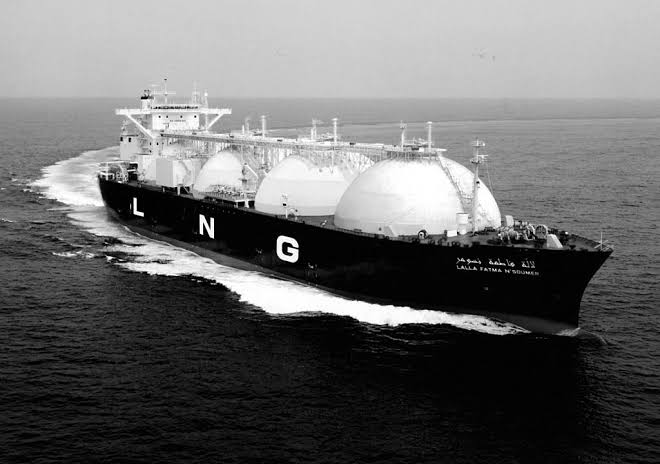
India had put in gas supply curbs because LNG cargoes faced uncertainty near the Strait of Hormuz. LNG means liquefied natural gas. It is natural gas cooled into a liquid so ships can carry it long distances.
The Strait of Hormuz is a narrow sea route near the Gulf. A large share of the world’s oil and gas cargoes passes through it. So when traffic there looks risky, buyers everywhere get nervous.
For India, that risk is serious because imported LNG helps run factories, power plants, and city gas networks. City gas means piped gas for homes and fuel for CNG vehicles. If cargoes slow down, gas companies may need to ration supply for a while.
That seems to be why the temporary gas supply curbs were used. The goal was simple. Stretch available fuel until the shipping picture became clearer.
What changed now for India’s gas supply curbs?
Now the immediate stress has eased. LNG shipments through the Strait of Hormuz have resumed, so India has removed the gas supply curbs. That signals supply managers believe near-term cargo availability looks better again.
This does not mean all risk has vanished. Energy markets can turn fast. But it does mean the panic stage has passed for now, and buyers can breathe a bit easier.
A big reason this matters is scale. India imported about half of its gas needs in recent years, depending on demand and local output. Even a short shipping delay can push prices up because fuel buyers compete for the same cargoes.
According to the Government of India and energy data tracked by official agencies, natural gas has become more important in India’s energy mix over time. The country also wants a larger share of cleaner fuels, so stable LNG imports matter even more.
Who benefits when gas supply curbs are lifted?
City gas distributors are among the first to benefit. These companies supply PNG and CNG. PNG means piped natural gas for kitchens and small businesses, while CNG means compressed natural gas used in vehicles.
Factories also gain because many use gas as fuel or as a raw material. A raw material is a basic input used to make something else. Fertiliser plants, for example, need gas to make urea, which farmers use on crops.
Power producers may also feel some relief, though gas-fired power is not always the cheapest option. Still, when supplies are tight, every extra unit matters. A unit here can mean a standard measure of gas or electricity.
For households, the change may not show up overnight. But steadier supply helps keep sudden price spikes less likely. That is good news, especially after India has already faced fuel market shocks before.
How important is the Strait of Hormuz to India?
It is hugely important. The Strait of Hormuz is one of the world’s busiest energy chokepoints. A chokepoint is a narrow route where traffic can easily get blocked.
About 20% of global oil consumption passes through the strait, based on estimates often cited by the US Energy Information Administration. LNG cargoes also move through the same route, especially from major Gulf exporters like Qatar.
Qatar matters a lot to India’s gas basket. India has long relied on Qatari LNG under long-term contracts. A long-term contract is a deal to buy supplies over many years at agreed terms.
That is why even a brief shipping scare can trigger gas supply curbs. The route is far away, but the impact can land in Indian kitchens, buses, and factories within days.
Key numbers~50% of India gas needs imported~20% of global oil via HormuzCurbs now lifted as LNG shipments resumed
What do the numbers show?
Here are the key figures in plain language. They help explain why the story moved markets so quickly.
| Measure | Figure | Why it matters |
|---|---|---|
| Global oil flow via Hormuz | About 20% | A disruption can shake energy prices worldwide |
| India gas dependence on imports | Roughly 50% | Imported LNG is vital for domestic supply |
| Current policy move | Curbs lifted | Signals better near-term cargo confidence |
Those figures are broad, but they tell the story well. India does produce gas at home. Still, imports remain too important to ignore.
Will prices now fall right away?
Not always. Energy prices depend on many things, including shipping rates, demand, storage, and global politics. Storage means fuel kept in reserve for later use.
So the end of gas supply curbs is helpful, but it does not guarantee cheaper gas tomorrow. If global LNG prices stay high, Indian buyers may still pay more than usual.
Even so, removing limits is a strong sign that the worst near-term supply fear has eased. Markets often react to fear first, then to facts. Right now, the fact is simple: ships are moving again.
India has seen this kind of chain reaction before in other fuel markets. For example, you can see how imports shift in our report on why the US remains India’s largest LPG supplier in June.
What does this mean for India’s bigger energy plan?
India wants more gas in its energy mix because gas burns cleaner than coal and some oil fuels. Cleaner does not mean pollution-free. It means it usually causes less local air pollution and lower carbon emissions than dirtier fuels.
But this episode shows a weak spot. If India wants more gas use, it also needs safer supply chains, stronger storage, and more domestic output. Domestic output means fuel produced inside India.
That is also why readers should watch related policy moves. India is trying to spread trade links and reduce risk in many sectors, as seen in our coverage of India’s plan to conclude FTAs with Canada, Mexico and Brazil.
Another useful clue comes from transport fuel policy. We explained that in our story on how industry leaders backed the E20 rollout, which is part of India’s wider push to diversify fuel use.
India lifted its temporary gas limits because LNG shipments through the Strait of Hormuz resumed, easing the immediate risk of a supply crunch for city gas companies, industry, and other users.
Could gas supply curbs return later?
Yes, they could, if shipping risks flare up again or if cargoes get delayed. That is the honest answer. Energy systems need backup plans because supply chains can break suddenly.
For now, though, the lifting of gas supply curbs tells us officials see enough comfort in incoming supplies. That is better than rationing. It gives gas buyers room to plan normally again.
Still, the bigger lesson is hard to miss. India’s energy future is tied not just to local demand, but also to narrow sea lanes thousands of kilometres away.
FAQs
What are gas supply curbs?
Gas supply curbs are temporary limits on how much gas some buyers can receive. Officials use them to manage shortages or protect key users during supply stress.
Why did India lift gas supply curbs now?
India lifted them because LNG shipments through the Strait of Hormuz resumed. That reduced the immediate fear of supply disruption.
Who is affected most by gas supply curbs?
City gas firms, fertiliser makers, factories, and some power producers are affected most. Households can also feel the impact later if supply stress pushes up prices.
Get the day’s top stories in your inbox
One concise email. No spam, unsubscribe anytime.