Key takeaways
- Asia supply chains are changing because the Hormuz scare showed how one choke point can hit many countries.
- Companies now want more storage, more routes, and more than one supplier.
- That shift may lower risk, but it can also raise costs.
- Oil, shipping, electronics, chemicals, and retail firms all feel the pressure.
Asia supply chains are the linked paths that move fuel, parts, and goods across the region. They matter because factories need steady deliveries every day. After the Hormuz shock, many firms no longer trust ultra-thin запас buffers. So they are changing how they buy, store, and ship key supplies.
Why did the Hormuz shock rattle Asia supply chains?
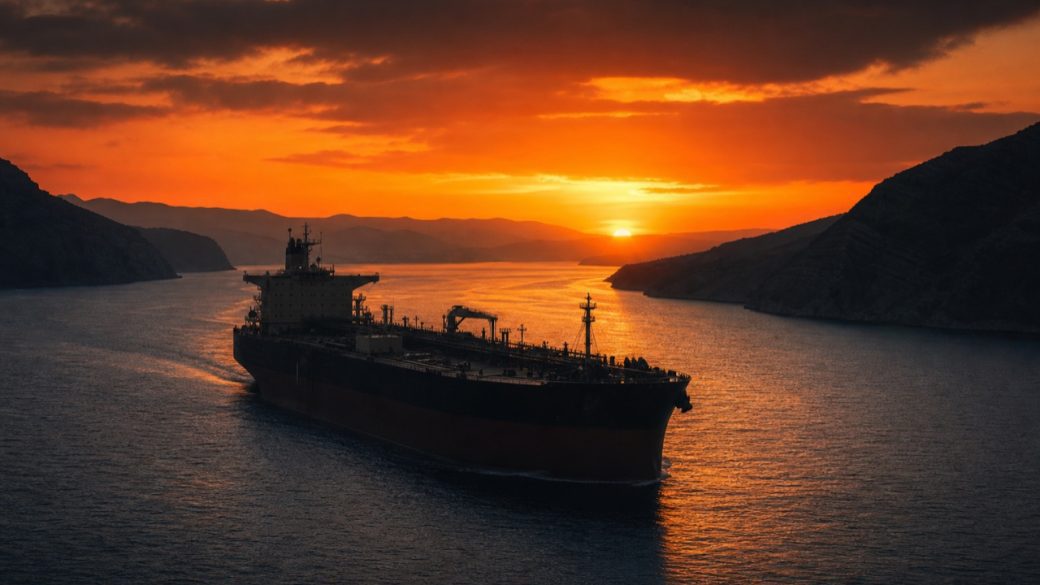
The Strait of Hormuz is a narrow sea route near the Gulf. A choke point means one small route that carries a lot of trade. Around one-fifth of the world’s oil passes through it, according to the US Energy Information Administration.
That matters a lot for Asia because many countries import fuel. Japan, South Korea, India, and China all buy large amounts of crude oil from Gulf producers. Crude oil is raw oil before it becomes petrol, diesel, or jet fuel. If ships slow down there, factories and transport firms worry fast.
The recent scare did not need a full shutdown to hurt confidence. Even a short risk spike can lift freight and insurance costs. Insurance is the fee paid to cover losses if something goes wrong. As a result, buyers across Asia started asking a simple question: what happens if the next shock lasts longer?
That question strikes at the old just-in-time model. Just-in-time means firms keep very little stock and rely on precise deliveries. It saves money in calm times, but it can fail when one route breaks. So many executives now want a thicker safety cushion.
What are companies doing to protect Asia supply chains?
First, firms are building bigger buffers. A buffer means extra stock kept in reserve. Instead of holding a few days of supply, some importers now want weeks. That ties up cash, but it lowers the chance of a sudden stop.
Second, companies are splitting orders across more suppliers. If one seller fails, another can step in. This is often called diversification. It simply means not putting all your eggs in one basket.
Third, businesses are looking at different shipping paths. They cannot fully replace Hormuz for Gulf oil, but they can rethink where they refine, store, and reroute products. Meanwhile, some firms are moving parts of production closer to buyers, so fewer borders sit in the middle.
This is not only about giant oil firms. Electronics makers, drug companies, clothing brands, and supermarkets all depend on timely shipments. For example, a delayed chemical feedstock can slow plastics, paint, and packaging lines. Feedstock means the basic raw material used to make something else.
Key pressure points for Asia supply chains0102030Oil share20%Transit30%Price jump26%Inventory24d
The chart shows why nerves rose so quickly. About 20% of global oil trade moves through Hormuz. In past regional scares, some tanker rates jumped by more than 30% in days. Brent crude also moved sharply at times, including swings above 10% during tense periods.
Why can safer Asia supply chains cost more?
Extra safety is not free. Warehouses cost money. So do backup suppliers, rerouted ships, and bigger fuel inventories. Inventory means goods kept in storage for later use. A company that once held 7 days of stock may now aim for 14 or 21 days.
That shift can protect sales, but it trims margins. Margin means the money left after costs. If transport and storage rise, some firms will pass part of that on to shoppers. So the price of common goods can creep up, even without a lasting war.
Small firms may feel the pain most. Big groups can spread orders across countries. They can also borrow more cheaply to fund extra stock. Smaller businesses often lack both options, so one shipping shock hits them harder.
“The old lesson was speed. The new lesson is resilience. In plain words, firms now want supply chains that bend without breaking.”
Which countries and industries face the biggest risk?
Energy importers face the clearest danger. India imports more than 85% of its crude oil needs, based on government data. That means global shipping trouble can feed into local fuel bills very fast. You can see a related policy debate in our coverage of ethanol blending, which aims to cut some oil dependence.
Countries with export-heavy factories also watch closely. South Korea, Taiwan, China, Vietnam, and Japan run big manufacturing hubs. A manufacturing hub is a place where many factories cluster together. If energy, plastics, or parts arrive late, assembly lines can slow within days.
India is trying to build stronger industrial networks too. That is part of a broader regional trend. For context, our story on Industry 4.0 in agriculture shows how technology is being used to improve timing and output, while our report on the modified UDAN scheme explains how better connectivity can support business links inside India.
| Risk area | Why it matters | Likely response |
|---|---|---|
| Oil imports | Fuel prices can jump fast | Build reserves, diversify supply |
| Shipping | Freight and insurance can rise | Use longer contracts, alternate ports |
| Factories | Parts delays can stop lines | Hold more stock, add suppliers |
| Retail | Higher costs can hit shelves | Change pricing, plan earlier orders |
Does this mean just-in-time is over?
Not fully. Just-in-time still works well for many businesses, especially when demand is stable and transport is smooth. But firms now use it more carefully. They are mixing speed with backup plans, because recent years brought Covid, war, drought, canal delays, and now another energy route scare.
That is why some analysts talk about “just in case” stock. It means keeping extra supplies for emergencies. Many firms will not abandon lean systems. Lean means running with as little waste as possible. But they are changing the math.
The real shift is not panic. It is redesign. Businesses are mapping weak points, checking supplier health, and asking whether one cheap route is really cheap if it can fail overnight. The International Energy Agency has long warned that energy security depends on both supply and transport stability, not only headline oil output.
What should readers watch next?
Watch oil prices, tanker rates, and company comments on inventories. If crude stays calm, some of this fear may fade. But if rates climb again, companies will likely lock in more storage and longer contracts. A contract is a legal deal between buyers and sellers.
Also watch earnings calls from Asian manufacturers and retailers. That is where executives often explain cost pressure first. If more of them mention bigger buffers, dual sourcing, or rerouting, then the change in Asia supply chains is becoming real, not just a short-term reaction.
For families, the result may seem small at first. A toy, phone part, or food package may cost a little more. But behind that small price tag sits a giant network. And right now, Asia supply chains are being rebuilt to survive the next shock better than the last one.
FAQs
What is just-in-time?
Just-in-time is a system where firms keep very little stock. They rely on supplies arriving exactly when needed.
Why does Hormuz matter to Asia?
Hormuz matters because a huge share of oil moves through it. Many Asian countries depend on that fuel for transport and factories.
How are Asia supply chains changing now?
Asia supply chains are shifting toward more storage, more suppliers, and more backup plans. That can reduce risk, but it may also raise costs.