In a decisive move to protect child health, the Maharashtra government has announced a ban on the sale of energy drinks—specifically highlighting high-caffeine brands like Sting—within a 500-metre radius of all schools and educational institutions across the state.
The directive was issued on July 3, 2026, by Food and Drug Administration (FDA) Minister Narhari Zirwal during the monsoon session of the State Legislative Assembly, treating the restriction with the same gravity as the existing bans on tobacco and narcotics near school premises.
1. The Core Concern: High Caffeine & Sugar Access
The policy intervention follows an intense legislative debate triggered by BJP MLA Vikram Pachpute, who characterized the unhindered access children have to these beverages as a major public health hazard:
- Ignored Warning Labels: While energy drink bottles carry mandatory warnings stating they are “not recommended for children and pregnant women,” these products are widely sold at small kiosks right outside school gates.
- The Component Squeeze: Health experts have continually raised alarms over the massive caffeine and sugar loads present in these budget drinks, which can lead to sleep disturbances, severe jitters, and rapid heart rates in developing children.
- Expansion to Flavoured Products: The legislative debate quickly widened, with external assembly members raising alarms over the rampant sale of “flavored pan” and substandard “flavoured milk” that disguise artificial colorings and excessive sugars to capture school-aged buyers.
 [ THE SCHOOL ZONE RESTRICTION LINE ]

 ┌────────────────────────────────────────────────────────┐
 │                   SCHOOL / CAMPUS                      │
 └──────────────────────────┬─────────────────────────────┘
                            │
                            ▼ ◄─── ( 500-Metre Enforcement Radius ) ───►
                            │
 ┌────────────────────────────────────────────────────────┐
 │ 🚫 BANNED: Non-Alcoholic Caffeinated Energy Drinks     │
 │ 🚫 BANNED: Banned Gutkha, Pan Masala & Tobacco         │
 │ 🔍 UNDER REVIEW: High-Sugar Flavoured Additive Milk    │
 └────────────────────────────────────────────────────────┘
2. Enforcement via the FDA Zero-Tolerance Blitz
To ensure the 500-metre rule doesn’t just remain a paper decree, the state has placed enforcement under the direct supervision of newly appointed FDA Commissioner Tukaram Mundhe.
Known for a strict, zero-tolerance approach to regulatory lapses, Mundhe’s administration has launched an aggressive, multi-layered crackdown:
- Immediate License Suspensions: The FDA has already suspended the food safety licenses of several prominent bakeries and restaurants across Mumbai for gross hygiene and labeling violations.
- Zilla Parishad Deployment: Chief Executive Officers (CEOs) across all Zilla Parishads have been ordered to systematically inspect local tuck shops and rural vendors surrounding school perimeters.
- Accelerated Food Testing: To cut down the multi-month delays typically associated with state analysis, the FDA announced it is opening 22 new food testing laboratories on a public-private partnership (PPP) model, bringing safety report timelines down to under a month.
3. The Wider National FSSAI Regulatory Context
Maharashtra’s localized ban lands in the middle of a wider nationwide crackdown by the Food Safety and Standards Authority of India (FSSAI) against the multi-billion-rupee beverage industry.
| Manufacturer Product | Regulatory Standpoint & Category Labeling | Primary FSSAI Objection |
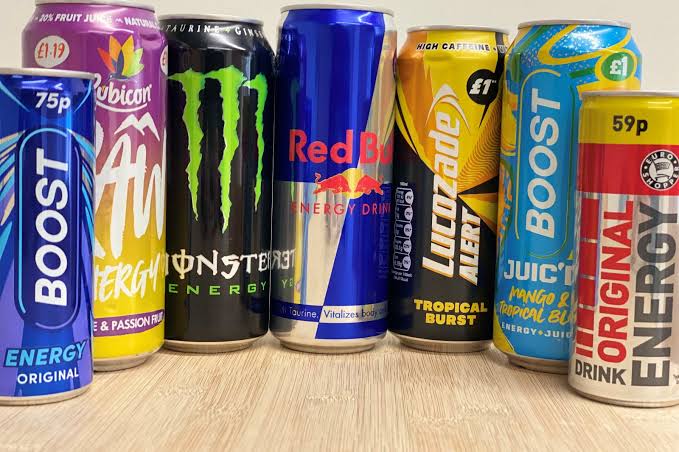
| Energy Drink Brands (Sting, Red Bull, Monster, Campa Energy, Hell) | India’s food regulations do not recognize the term “Energy Drink.” They must be legally classified as Non-Alcoholic Caffeinated Beverages. | Objecting to misleading marketing claims like “vitalises body and mind,” “boosts energy,” or “aids weakness” on standard labels. |
| School-Zone Vendors | Legally bound under the Food Safety and Standards Act, 2006. | Facing immediate item seizures and criminal prosecution if caught distributing inside the 500-m perimeter. |
As schools across Maharashtra are directed to initiate mandatory student awareness campaigns regarding the health traps of high-caffeine consumption, the state’s aggressive zoning policy sets a potential national precedent for how local governments regulate the commercial access fast-moving consumer goods giants have to children.