Key takeaways
- India says its Indus Waters Treaty stance has not changed.
- The government says the treaty is in abeyance. That means it is being kept on hold for now.
- The treaty, signed in 1960, governs how India and Pakistan use the Indus river system.
- This matters because water, farming, dams, and India-Pakistan ties are all linked to the pact.
India’s Indus Waters Treaty stance is that the pact remains in abeyance. The phrase means the deal is on hold for now. The Ministry of External Affairs, or MEA, said India’s view is consistent. That means New Delhi says it has not changed its line.
The comment came after questions on India’s position toward Pakistan on river water sharing. Water sharing means rules on how two countries use the same rivers. In simple terms, India says the old treaty cannot run as usual right now. That’s the big message.
What did India say about the Indus Waters Treaty stance?
MEA spokesperson Randhir Jaiswal said India’s position remains the same. He said the treaty stands in abeyance. The MEA is India’s foreign ministry. It handles ties with other countries.
That wording matters because it signals a pause, not a small technical dispute. A treaty is a formal agreement between countries. Abeyance means it is not being operated in the normal way for the time being. India wants that point to be clear.
This is a strong diplomatic signal, because the Indus system is vital for both countries. Diplomatic means linked to how governments deal with each other. Rivers from the system help farms, cities, and power projects. So even a short official statement can carry big weight.
What is the Indus Waters Treaty stance really about?
The Indus Waters Treaty stance is about a water-sharing deal signed in 1960 by India and Pakistan, with the World Bank involved. The World Bank helped broker the pact. Broker means help two sides reach a deal.
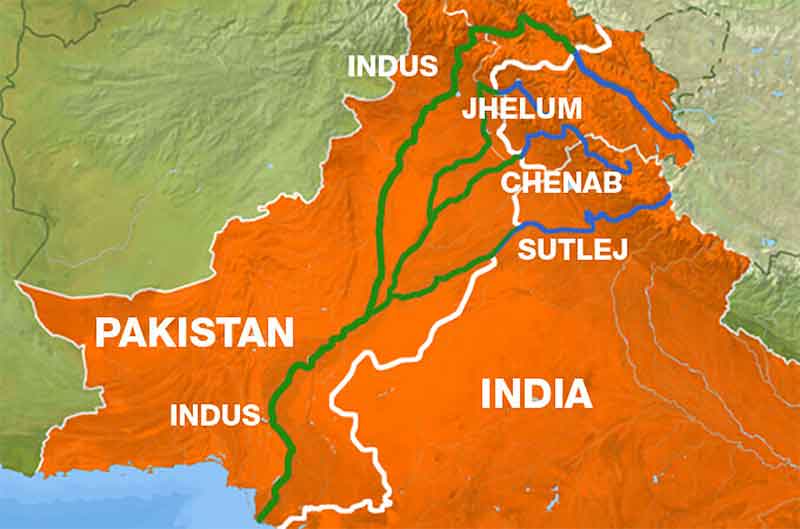
The treaty split the six rivers of the Indus basin. Basin means the land area drained by a river system. The three eastern rivers went mainly to India. The three western rivers were mainly for Pakistan, though India kept limited rights on those too.
Those river names matter. The eastern rivers are the Ravi, Beas, and Sutlej. The western rivers are the Indus, Jhelum, and Chenab. That’s the basic map behind this long-running issue.
For decades, the treaty was often praised as a rare working arrangement between two rivals. Rival means two sides with long tension. It survived wars, border crises, and years of mistrust. That’s one reason this new Indus Waters Treaty stance gets so much attention.
Why does India say the treaty is in abeyance now?
India has argued for some time that key conditions have changed. Conditions means the wider situation around the agreement. New Delhi has also raised concerns over cross-border terrorism. Terrorism means violent attacks meant to spread fear.
India has said a treaty based on goodwill cannot work the same way if that goodwill breaks down. Goodwill means basic trust and cooperation. In India’s view, the old system needs a rethink. So the Indus Waters Treaty stance now reflects that harder line.
There have also been disputes over hydroelectric projects. Hydroelectric means making power from moving water. Pakistan has objected to some Indian projects on western rivers. India has said its projects stay within treaty limits.
These disputes led to legal and technical processes under the treaty. Technical here means expert reviews of design and water flow. India has often said the process became slow and messy. As a result, it pushed for changes in how such disputes are handled.
What does “in abeyance” mean for water sharing?
For most readers, this is the key question. If a treaty is in abeyance, it does not always mean the rivers stop flowing or dams stop working. It means the agreement’s normal framework is being suspended or held back. The exact effect can depend on what governments do next.
In plain words, India is saying the old rulebook is not running in the usual way. Rulebook is a simple way to describe treaty procedures. That could affect talks, notices, project reviews, and future cooperation. But it does not mean someone can switch off a river like a tap.
That last point is important because river systems are physical networks, not just legal papers. Legal means tied to law and formal rules. Water keeps moving through mountains, dams, canals, and plains. So real-world impact depends on policy choices and infrastructure.
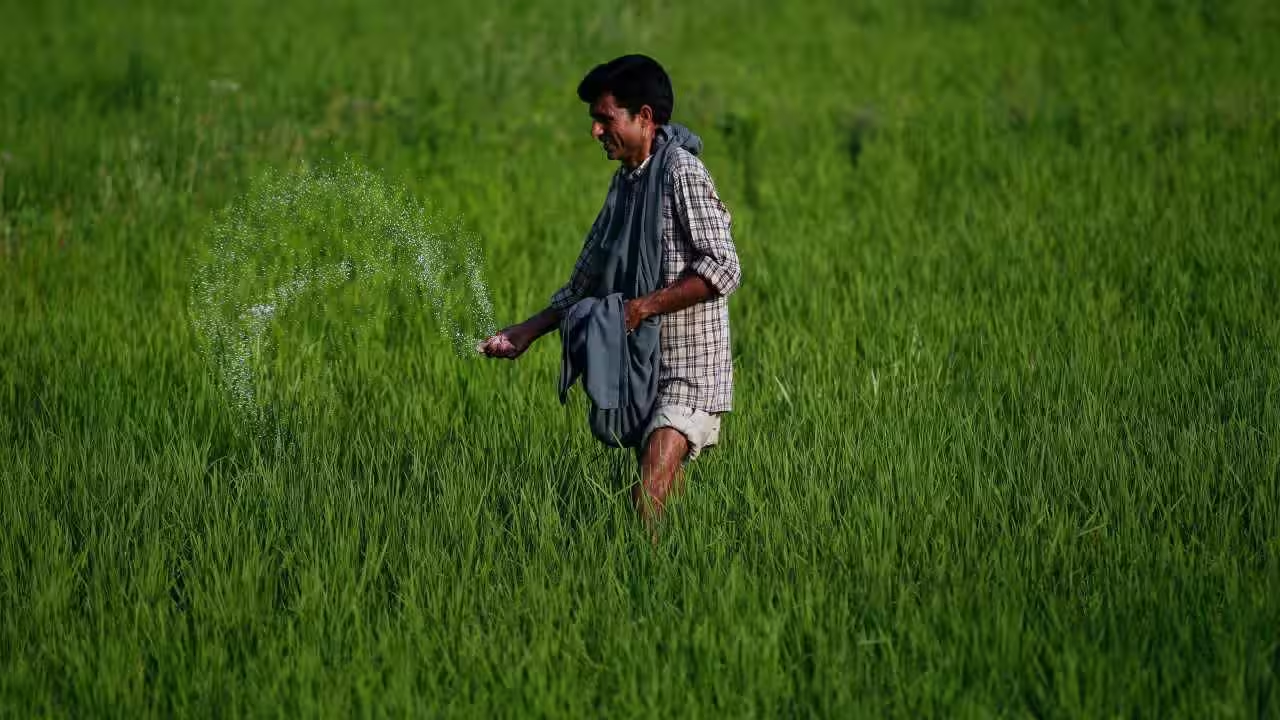
India and Pakistan both depend on this basin in different ways. Pakistan relies heavily on the western rivers for irrigation. Irrigation means supplying water to crops. India uses river water for farming, drinking water, and power in northern states.
How big is the treaty system in numbers?
The treaty covers 6 rivers across one of South Asia’s most important water systems. It was signed in 1960. More than 60 years later, it is still central to India-Pakistan water talks. Those numbers show why every official word matters.
India received primary rights over 3 eastern rivers, while Pakistan received primary rights over 3 western rivers. Primary rights means the main share under the agreement. India still retained limited use rights on western rivers. Those details are why dam design fights can become so sharp.
Key treaty numbers6 total rivers3 eastern rivers to India3 western rivers mainly for Pakistan
| Item | Number | Why it matters |
|---|---|---|
| Total rivers in treaty | 6 | Shows the scale of the water-sharing system |
| Eastern rivers | 3 | Mainly allocated to India |
| Western rivers | 3 | Mainly allocated to Pakistan |
| Year signed | 1960 | Explains the treaty’s long history |
Why does the Indus Waters Treaty stance matter now?
It matters because water security is a basic need. Water security means having reliable water for homes, farms, and industry. It also matters because India and Pakistan are nuclear-armed neighbors. That makes every dispute more sensitive.
For India, the issue is also about development in Jammu and Kashmir and nearby regions. Development means building power, roads, and other useful systems. Hydropower projects need rules and approvals. So treaty disputes can slow local plans.
For Pakistan, the rivers are tied closely to agriculture. Agriculture means farming. A large share of crops depends on irrigation from the Indus system. That’s why officials and farmers there watch every treaty development carefully.
Here’s the clearest way to put it:
India says the treaty is on hold, and that signals the old water-sharing process cannot continue in the usual way unless the wider relationship changes.
What happens next?
That is still uncertain. Uncertain means no one can say the exact next step yet. India may keep pressing its current line in diplomatic exchanges. Pakistan may continue to object and seek restoration of normal treaty processes.
Outside bodies could also be discussed again, especially because the World Bank has played a role in the treaty’s history. You can read the original treaty text at the United Nations treaty archive. The World Bank also explains the agreement and its role on its official page.
Meanwhile, this story fits a wider pattern of India taking a firmer line in high-stakes disputes. You can see that in our explainer on the India US tariff dispute. It also echoes how policy changes can reshape old rules, as in our coverage of SEBI unpaid securities rules.
And while this issue is about rivers, it is also about strategy. That’s one reason readers tracking security may also want our report on India’s drone warfare push. Big state decisions often connect across water, trade, and defense.
FAQs
What is the Indus Waters Treaty?
It is a 1960 agreement between India and Pakistan on using six rivers of the Indus basin.
Why is India’s Indus Waters Treaty stance in the news?
Because India has said its position is unchanged and that the treaty remains in abeyance, or on hold.
How does this affect ordinary people?
It matters for farming, power projects, and long-term water planning in both countries.
Who said the treaty stands in abeyance?
India’s Ministry of External Affairs said it, through spokesperson Randhir Jaiswal.