Key takeaways
- OPEC oil output rose in June as Gulf producers started adding supply back.
- Saudi Arabia, the UAE and other members led the increase, according to a Reuters survey.
- More supply can help cool oil prices, but wars and shipping risks still matter.
- For India, cheaper crude can ease import costs, fuel pressure and inflation.
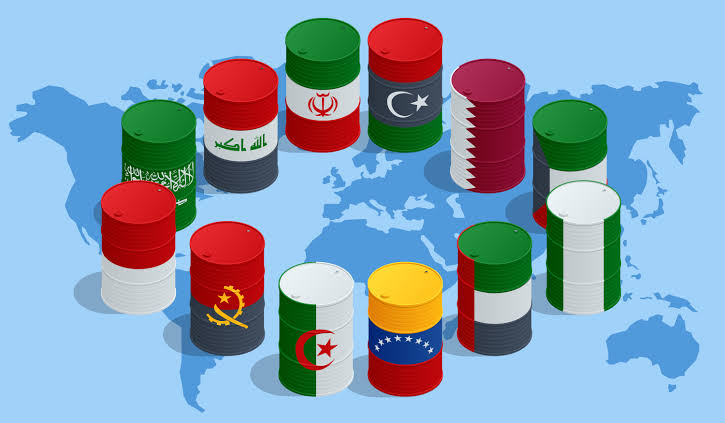
OPEC oil output rose in June as big Gulf producers began reversing older cuts. OPEC oil output means the total crude pumped by the 12-member producer group. That matters because OPEC barrels help shape petrol, diesel and shipping costs around the world. So when output changes, families and businesses often feel it.
Reuters reported that OPEC pumped 27.02 million barrels a day in June, up by 270,000 barrels a day from May. A barrel is a standard oil unit. It holds about 159 litres. The jump came as Saudi Arabia and the United Arab Emirates started bringing supply back after earlier restraint.
That does not mean oil will suddenly become cheap. Markets still watch conflict in the Middle East, tanker routes and demand from big economies. Meanwhile, even a modest rise in supply can change trader mood fast, because oil prices move on expectations as much as on current flows.
Why did OPEC oil output rise in June?
The short answer is simple. Some major Gulf exporters decided they could put more crude back into the market. They had cut output before to support prices. Support prices means trying to stop prices from falling too far.
Saudi Arabia made the biggest increase, the Reuters survey said. The UAE also raised production, and that added to the total. These moves fit a broader plan by producers to slowly unwind, or reverse, some voluntary cuts. Voluntary cuts are extra limits countries choose beyond formal quotas.
OPEC works with allies in a wider group called OPEC+. OPEC+ includes countries like Russia. That larger group has tried for years to balance supply and demand, because too much oil can push prices down while too little can send them sharply higher.
Here is the key point readers should remember:
When OPEC oil output rises, the world gets more crude to burn, refine and ship. That can reduce price pressure, but only if wars, sanctions and shipping problems do not wipe out the extra supply.
Which countries drove the increase?
Saudi Arabia was the main driver, according to Reuters. The UAE also added barrels. Those two countries matter a lot because they hold spare capacity. Spare capacity means oil fields that can pump more fairly quickly if needed.
Some other OPEC members still faced limits. A few have lower output because of underinvestment, damage, or local unrest. Underinvestment means not enough money was spent on wells, pipes and other gear. So even when quotas rise, not every country can ramp up right away.
| Item | June 2026 | What it means |
|---|---|---|
| Total OPEC output | 27.02 million bpd | Higher supply than May |
| Monthly change | +270,000 bpd | A notable month-on-month rise |
| Main drivers | Saudi Arabia, UAE | Gulf producers led the move |
That mix matters because OPEC is not one company. It is a group of countries with different budgets, oil fields and political problems. So, while the headline says output rose, the real story is that a few strong producers did most of the heavy lifting.
What could this mean for oil prices?
In plain words, more supply usually puts some pressure on prices. If buyers can get more barrels, sellers have less power to demand higher rates. But oil never follows one rule for long. One missile strike or shipping delay can flip the picture in hours.
Brent crude is the global benchmark. A benchmark is a reference price traders use. If OPEC keeps adding barrels and demand stays steady, Brent could face less upward pressure. But if demand jumps in summer travel months, that relief may not last.
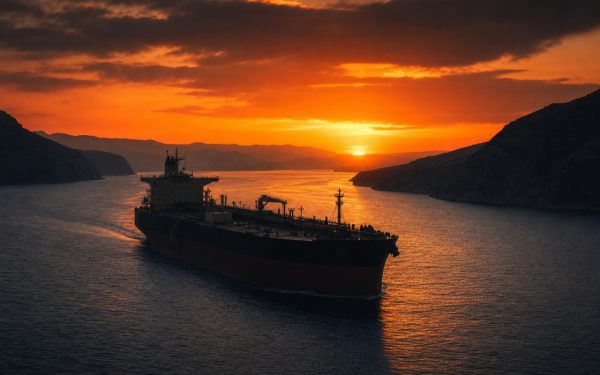
Shipping risks still loom large. The Strait of Hormuz handles a huge share of global oil trade. If that route is hit, supply fears can swamp any output increase. You can see that wider risk in our report on how Malacca Strait pressure is growing as the Hormuz crisis spreads.
OPEC output in Reuters surveyMayJune26.75m bpd27.02m bpd+0.27m bpd
The chart shows the scale of the move. June output reached 27.02 million barrels a day, from 26.75 million in May. That is a rise of 270,000 barrels a day. Over 30 days, that equals about 8.1 million extra barrels.
Why does OPEC oil output matter for India?
India imports most of the crude it uses, so global prices matter a lot here. When oil gets expensive, the import bill rises. An import bill is the money a country spends buying goods from abroad. That can strain company costs and household budgets.
Cheaper crude can help on several fronts. It can lower pressure on fuel retailers, airlines, truckers and factories. It can also help inflation. Inflation means the general rise in prices over time. If transport and energy costs cool, many everyday items may become easier to manage.
Still, India does not depend on OPEC alone. It buys from a wide range of suppliers and also watches freight and insurance costs. Insurance costs can jump in risky waters, so oil can stay pricey even when the raw crude price softens.
Trade tensions can also affect the outlook. A weaker global economy may reduce oil demand, while stronger growth may lift it again. For more on that side of the picture, read our explainer on the India US tariff dispute and why India is pushing back.
What are traders watching next?
First, they will watch whether Gulf producers keep adding barrels in the coming months. Second, they will track compliance. Compliance means whether countries stick to agreed targets. OPEC plans often look clear on paper, but actual pumping can differ.
Third, markets will watch demand data from China, the United States and India. These are major energy users. If factories slow or travel falls, prices may ease. But if summer demand stays strong, the market may absorb the extra OPEC supply without much trouble.
Investors also look beyond crude. They watch refining margins, diesel demand and petrochemicals. Petrochemicals are oil-based materials used in plastics and many products. Those clues show whether the world economy is humming or cooling down.
Energy supply chains are also shifting. That matters because electronics, transport and power all connect in surprising ways. For a wider look at global supply moves, see our coverage of how manufacturers now face a display shortage after memory chip stress.
Where do these numbers come from?
The June figures came from a Reuters survey, which used shipping data and information from industry sources. Reuters is a global news agency. You can read the original report at Reuters. OPEC also publishes official material and meeting outcomes on its website.
No single data source is perfect. Tanker tracking can miss timing changes, and some exports are harder to read quickly. But taken together, surveys, ship data and official statements give a solid picture of where OPEC oil output is heading.
Right now, that picture is fairly clear. OPEC oil output is rising because key Gulf producers are reviving supply. If nothing big interrupts trade routes, that should give the market at least some extra breathing room.
FAQs
What is OPEC oil output?
OPEC oil output is the total crude oil produced by OPEC members in a given period. Traders watch it because more or less supply can move global oil prices.
Why did OPEC raise output in June?
Major Gulf members, especially Saudi Arabia and the UAE, started adding barrels back after earlier cuts. They appear to be slowly reversing some voluntary limits.
How does this affect petrol and diesel prices in India?
More global crude supply can reduce price pressure, so it may help India over time. But retail fuel prices also depend on taxes, refining costs and shipping risks.
Who benefits if oil prices cool?
Import-heavy countries like India can benefit, because their energy bill may fall. Airlines, truckers, factories and households can also feel some relief.
Get the day’s top stories in your inbox
One concise email. No spam, unsubscribe anytime.