The compounding effects of the global AI boom have triggered a massive supply chain domino effect across the consumer electronics sector.
Following a brutal crunch in memory chips (DRAM and NAND) driven by the insatiable demand from AI data centers, hardware manufacturers are now slamming into a global display panel shortage. Global smartphone panel shipments are projected to drop 7.3% year-on-year, marking a stark end to a multi-year growth cycle.
Paradoxically, this display crisis isn’t entirely caused by a lack of physical screen-making capacity. Instead, it is being triggered by a high-stakes combination of “Bill of Materials” (BOM) crowding, component shrinkflation, and massive data-center resource diversion.
1. The Anatomy of the Display Squeeze
The display shortage is fundamentally an economic and structural squeeze rather than a simple factory breakdown. The crisis is developing across three core pressure points:
- The BOM Squeeze: Because memory prices have spiked violently, the cost of building a smartphone has skyrocketed. To keep retail prices competitive without destroying their own margins, hardware makers are being forced to aggressively slash spending on their second most expensive component: the display.
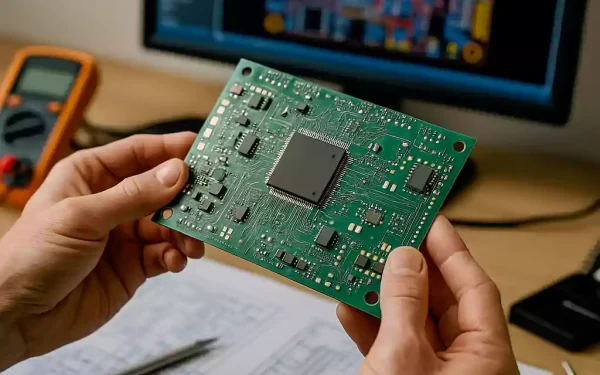
- The Component Diversion: The shortage is hitting critical backend silicon. Display Driver ICs (DDICs)—the vital microchips that act as the “brain” telling a display how to illuminate individual pixels—rely on legacy semiconductor foundry nodes. Much of that foundational silicon wafer capacity is currently being aggressively outbid and repurposed by suppliers feeding power-management chips to the AI data center pipeline.
- The “Shrinkflation” Pivot: To survive, mass-market laptop and smartphone makers are turning to covert component downgrades. Budget and mid-tier devices are frequently being shipped with lower-quality, less power-efficient displays, or experiencing significant production rollbacks to offset the memory tax.
 [ THE AI DOMINO EFFECT EXPLAINED ]

  AI Hyperscale Demand ──► Monopolizes Global Memory & Foundry Capacity
                                  │
                                  ▼
  Memory Prices Explode   ──► Devastates Manufacturer Production Budgets (BOM)
                                  │
                                  ▼
  The Display Sacrifice   ──► Brands dramatically cut panel orders or downgrade specs
                              to keep retail prices stable ──► Market enters structural shortage
2. Market Impact: OLED vs. LCD Realities
The shortage is reshaping the product pipelines of global tech brands, creating entirely divergent realities depending on the display technology tier:
| Display Tier | 2026 Production Trajectory | The Supply Chain Reality |
| Rigid AMOLED | Plunging 15% YoY | Rapidly being phased out or delayed in mid-range smartphones as manufacturers can no longer afford the premium premium-tier cost overlay. |
| Flexible & Foldable OLED | Flat / Modest 24-34% Growth | Insulated purely by ultra-premium flagship projects (like Apple’s 10-million unit foldable push and Samsung’s S-series), where high retail price points can absorb the hardware inflation. |
| LTPS LCD (Mid-Tier) | Collapsing to 2.5% Market Share | Getting brutally squeezed out of the ecosystem as consumer brands consolidate their component portfolios. |
| IT & Monitor OLED | Surging 33% to 45% YoY | The only major bright spot. Premium AI PCs and gaming monitors are successfully sucking up available high-end capacity because their massive price margins comfortably absorb supply shocks. |
3. The Divide: Who Wins and Who Loses?
As market intelligence firm Omdia notes, this secondary component crisis is rapidly turning the consumer electronics landscape into a highly polarized battleground.
The Mass-Market Squeeze
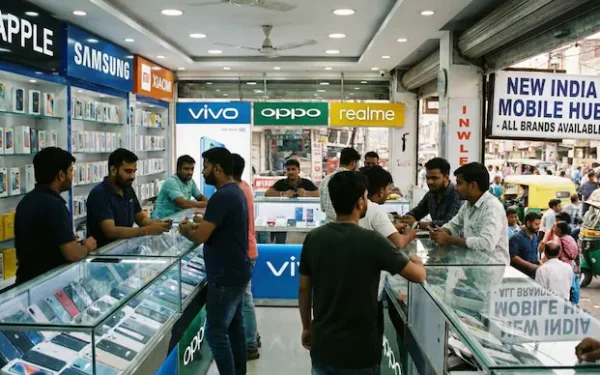
Chinese Android giants like Xiaomi, Oppo, and Vivo—whose core market equity rests on offering high-spec hardware at thin margins—are bearing the absolute brunt of the crisis. Facing both memory inflation and a display bottleneck, these brands have been forced to execute an unprecedented 30% reduction in their global production targets. Millions of planned mid-tier and budget handsets are being shelved entirely because building them under the current component pricing matrix would guarantee operational losses.
The Premium Insulation
Conversely, premium titans Apple and Samsung are actively using the crisis to consolidate their industry chokehold. Armed with massive cash reserves, they have successfully locked down long-term priority allocation contracts with premium panel makers like Samsung Display (SDC) and BOE. Because the premium segment (handsets over $800) is relatively price-inelastic, these leaders can seamlessly navigate the component squeeze while bleeding-edge display tech continues to flow strictly to their high-margin production lines.
Ultimately, the display shortage serves as a stark warning to the hardware industry: in the current tech landscape, the gravity of the AI infrastructure boom is so immense that its supply chain ripples can quietly starve and reshape the screen of the device sitting right in your pocket.