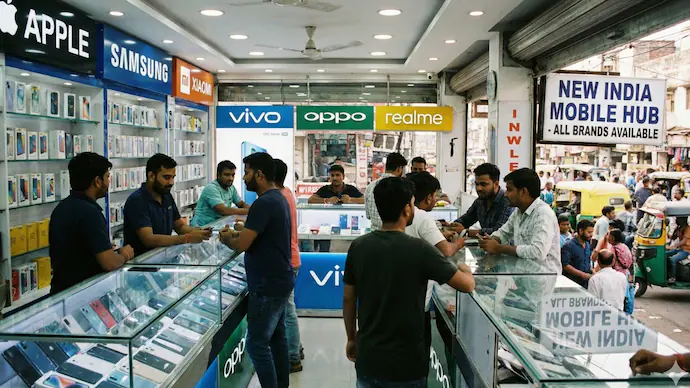
In a dramatic retreat that underscores the collateral damage of the global artificial intelligence boom, China’s three largest Android smartphone makers—Xiaomi, Oppo, and Vivo—have slashed their 2026 smartphone shipment targets by as much as 30%.
The sweeping supply chain adjustments, first reported by Nikkei Asia, reveal how aggressively the consumer electronics sector is being squeezed by soaring hardware costs and a brutal component crunch.
1. The Numbers Behind the Global Retreat
The scale of the reduction marks the second major downward forecast adjustment this year for the Chinese tech giants, indicating a severe contraction in their volume goals:
- Xiaomi’s Plunge: The world’s third-largest smartphone brand had already issued a modest 2026 forecast of 135 million units, pulling back from the 170 million handsets it shipped in 2025. Following the latest supply chain directive, Xiaomi has slashed that target by an additional 30%, bringing its target down to roughly 95 million units—with a explicit warning to suppliers that it could fall even lower.
- Oppo & Vivo Retreat: Both Oppo and Vivo have followed a nearly identical trajectory, aggressively scaling back their respective production forecasts to below 90 million units each for the year.
- Honor and Others Swept In: The crunch isn’t isolated to the top three; Honor, which celebrated a record 71 million phone shipments last year, has quietly notified suppliers that it will be unable to sustain its projected growth trajectory for the remainder of 2026.
2. Squeezed Out by AI Data Centers
The root cause of the production cuts is structural rather than a simple dip in consumer interest. Handset makers are losing a high-stakes supply chain war to the surging AI infrastructure market:
- The Low-Power DRAM Monopolization: Low-power DRAM memory chips, traditionally manufactured almost exclusively for smartphones and laptops, are increasingly being systematically diverted by memory giants like Micron, Samsung, and SK Hynix into massive cloud AI server trays. AI hardware—such as Nvidia’s compute clusters—consumes vast quantities of these memory modules, pushing smartphone companies further back in the factory allocation queue.
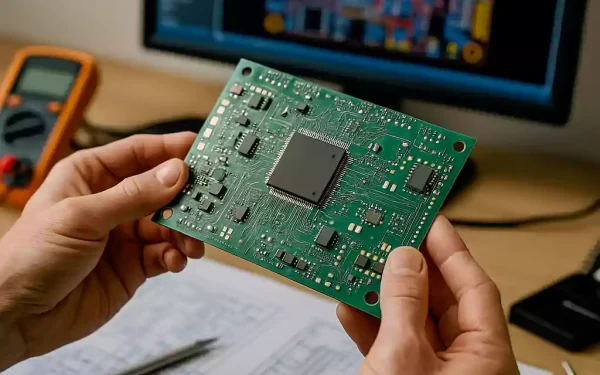
- Broad-Based Component Inflation: The shortage has spilled far beyond memory. Supply chains report compounding price spikes across printed circuit boards (PCBs), glass cloth, and advanced chip-packaging capacity.
- The Mid-Range Margin Trap: Major mobile chip designers like MediaTek and Qualcomm are shifting heavier organizational focus toward more lucrative data center segments. MediaTek has already notified clients of upcoming price hikes due to rising foundry fabrication costs. This heavily penalizes brands like Xiaomi, Oppo, and Vivo, which rely on tight margins for budget and mid-range devices and cannot easily pass these soaring component costs onto price-sensitive consumers.
                  [ THE 2026 TECH COMPONENT DIVERSION ]

  [ Global Memory Supply ] ──► Diverted to High-Margin AI Servers (Nvidia, Microsoft clusters)
                                              │
                                              ▼
 [ Handset Brands Squeezed ] ──► Pushed to back of factory queues; chip prices skyrocket
                                              │
                                              ▼
 [ The Margin Decision    ] ──► Xiaomi, Oppo, Vivo cut output by 30% to avoid losses on cheap phones
3. The Smartphone Market Polarization
Market intelligence firm Gartner projects that this intense component crunch will contract overall global smartphone shipments by 8.4% in 2026, while driving average retail handset prices up by 13%. However, the pain is not being distributed equally:
| Manufacturer Segment | 2026 Strategic Playbook | Impact of the Component Shortage |
| Mass-Market Chinese OEMs (Xiaomi, Oppo, Vivo, Honor) | Slashing volume targets by 15-30%; delaying non-essential sub-brand refreshes. | High Vulnerability: Deeply exposed to chip spot-market spikes; unable to absorb higher material bills without triggering massive operational losses. |
| Premium Market Leaders (Apple, Samsung) | Maintaining or expanding premium lines (e.g., Apple targets 10M foldable iPhones). | Insulated Shield: Massive upfront cash reserves allow them to secure long-term, priority supply allocations years in advance. |
While premium smartphone players are managing to weather the storm by leveraging their immense purchasing power, the structural reality for the broader Android ecosystem has fundamentally shifted. Until global memory allocation stabilizes or alternative supply pools emerge closer to 2027, the era of ultra-cheap, iteratively refreshed digital gadgets is facing a severe reality check.