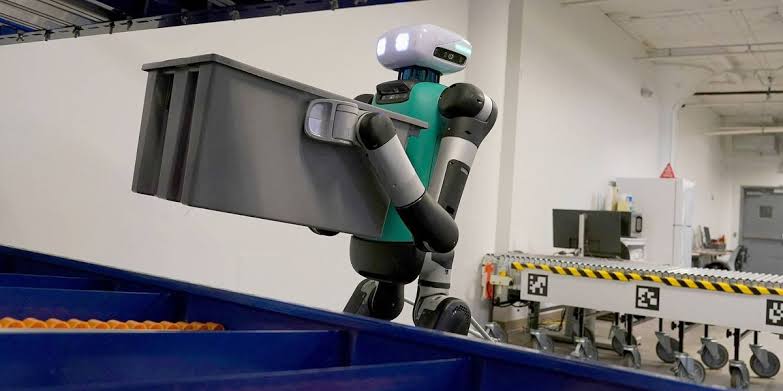
Robots getting busier is a simple way to say machines are doing more tasks each day. Companies are adding them faster, and using them for longer hours. That matters because factories want more output, fewer mistakes, and lower costs.
Key takeaways
- Companies are using robots more often in factories and warehouses.
- Robots help with repeat jobs like lifting, sorting, welding, and packing.
- This trend can raise output, but it also changes the kind of jobs people do.
- Smarter software and lower costs are helping the shift happen faster.
Why are robots getting busier now?
The short answer is money and speed. Businesses want to make more goods in less time. They also want fewer errors, since even small mistakes can waste parts and delay orders.
That is why robots getting busier has become a real business story. A robot can repeat the same move all day. It does not get tired in the way a human worker does, so managers use it for dull or risky jobs.
This is not only about giant car plants. Electronics makers, food companies, and online sellers are all adding more machines. Warehouses use them to sort boxes, while factories use them to screw, cut, weld, and test parts.
One big reason is cost. The price of sensors and chips has fallen over time. Sensors are parts that help a machine detect movement, heat, or distance. So a robot that once seemed too expensive can now make sense for more firms.
What do the latest numbers show?
The global robot market has grown for years, and the installed base is now huge. Installed base means the total number of working robots already in use. According to the International Federation of Robotics, factories around the world operate well over 4 million industrial robots.
In 2023, annual industrial robot installations were about 541,000 units worldwide, based on IFR data. That is a massive number. Picture more than half a million new factory robots added in one year.
Asia remains the biggest region for this shift. China has been the largest market for industrial robots for several years. That matters because many of the world’s phones, appliances, and electronics are made there.
Key robot numbers4M+ in use541k added in 2023Asia leads demand
Those figures help explain why robots getting busier is more than a catchy phrase. It points to a broad shift in how goods are made. In fact, once a company installs robots, it often finds new tasks for them too.
| Metric | What it shows |
|---|---|
| 4 million+ | Industrial robots already working worldwide |
| 541,000 | New industrial robots installed in 2023 |
| Top region | Asia remains the biggest robot market |
What kinds of jobs do these robots do?
Most robots do jobs that are repeated again and again. Think of lifting the same part, placing it in the same spot, then doing it again. That kind of work is easy to program and measure.
In car plants, robots weld metal frames and paint doors. Weld means joining pieces of metal with heat. In electronics plants, they handle tiny parts because they can be very precise, or exact.
Warehouses use robot carts and robot arms more often now. They move shelves, scan parcels, and sort orders. So when people say robots getting busier, they often mean many small tasks, not one giant machine doing everything.
Some newer robots also work closer to people. These are often called cobots. A cobot is a robot designed to safely share space with a human worker.
Does this mean robots are taking all the jobs?
Not exactly. Robots do replace some tasks, especially boring, dirty, or risky ones. But they also create demand for other jobs, such as machine repair, software support, quality checks, and line supervision.
The real change is in the type of work. A worker may do less lifting and more monitoring. Monitoring means watching systems and fixing problems when something goes wrong.
That said, the shift can still feel scary. If a factory used 100 people on one line before, it may need fewer for the same line after automation. Automation means using machines to do work with less human effort.
So the key question is not just whether robots getting busier helps business. It is also whether workers get training fast enough to move into new roles. That part often decides who benefits most.
Why are companies pushing this so hard?
Companies face pressure from many sides. Customers want lower prices and quick delivery. Investors want better margins, which means keeping more profit from each sale.
There is also a labour issue in some places. Factories in aging countries struggle to find enough workers. Aging countries are places where a larger share of people are older, so there are fewer younger workers entering factories.
Meanwhile, robot software keeps improving. Cameras, sensors, and AI help machines spot items and adjust moves. AI means software that can learn patterns and make choices from data.
That is one reason Microsoft’s growing AI push matters beyond tech. Better AI can help machines see and respond faster. It also links with wider industrial trends, like the electronics supply chain shifts seen in India’s iPhone export growth.
What should readers watch next?
Watch for three things. First, check whether robot sales keep rising in 2024 and 2025. Second, see which sectors adopt them fastest, because cars and electronics usually lead but food and logistics are catching up.
Third, watch policy and training. Governments may offer support for advanced manufacturing. Manufacturing means making goods in factories. Schools and companies may also expand skill programs so workers can use and maintain the new machines.
For reliable data, readers can track the International Federation of Robotics and factory trends from groups like the UN Industrial Development Organization. These are primary or near-primary industry sources. They help separate hype from real change.
And here is the clearest takeaway: robots getting busier means companies are asking machines to do more repeat work, for more hours, in more places. That can lift output and cut errors, but workers and schools need to adapt just as fast.
The shift will not hit every country or industry in the same way. But the direction is clear. Machines are moving from helper tools to core workers on many production lines.
That is why this story matters now. It is not about science fiction. It is about who makes your phone, packs your parcel, and builds the things you use every day.
How does robots getting busier affect India?
India still uses fewer factory robots than some bigger manufacturing hubs, but adoption is rising. As electronics and auto production grow, firms may automate more tasks to improve speed and quality.
This also fits with other business shifts, including India’s fast-moving logistics market and factory investment trends. So the impact may spread beyond giant plants into warehouses and supply chains too.
FAQs
What does robots getting busier mean?
It means companies are using robots more often and for more tasks. Usually, those are repeat jobs in factories and warehouses.
Why are companies buying more robots?
They want faster output, lower error rates, and steadier costs. Robot parts and software have also become better and cheaper.
Will robots replace human workers?
They can replace some tasks, but they also create new work. The biggest challenge is training people for the new kinds of jobs.