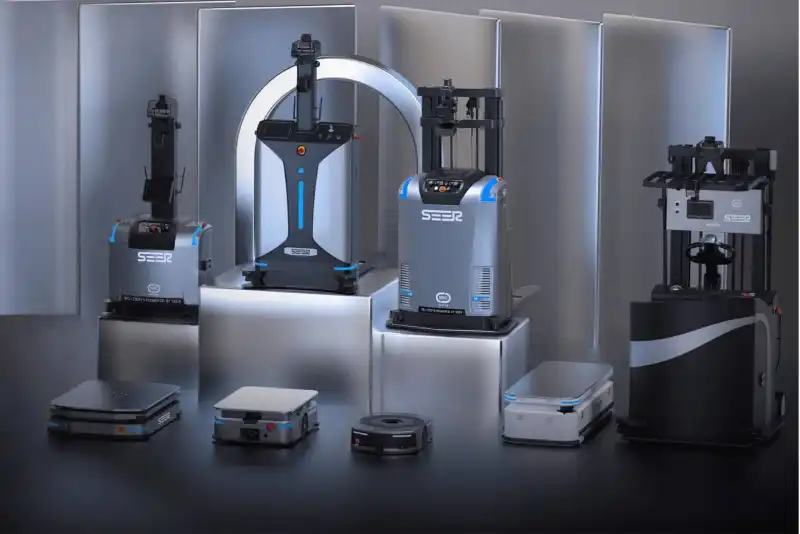
Seer Robotics IPO debut was a wild first day in Hong Kong. Seer Robotics IPO debut means the company’s shares started trading on the stock exchange for the first time. The stock swung sharply within about 24 hours, so investors got a fast lesson in how jumpy new listings can be.
Key takeaways
- Seer Robotics IPO debut brought big price swings right after trading began.
- Hong Kong investors are showing interest in robotics, but they are also moving fast in and out.
- An IPO is an initial public offering. That means a private company sells shares to the public.
- The listing matters because robotics is becoming a hot China tech story.
What happened in the Seer Robotics IPO debut?
The company started trading in Hong Kong and quickly became a market talking point. A market talking point is simply a stock many people suddenly watch and discuss. Shares jumped, then dropped back, and that sharp move happened in roughly a day.
That kind of swing can happen in fresh listings because there is little trading history. Traders don’t have many old price clues, so they react hard to demand, supply, and headlines. In simple terms, too many buyers can push prices up fast, and quick selling can pull them down just as fast.
Hong Kong has seen this pattern before in hot tech names. But robotics adds extra excitement because many investors see it as part of the next wave of factory automation. Automation means machines doing work people once did by hand.
Why are investors excited about Seer Robotics IPO debut?
Seer Robotics works in industrial robotics, a field tied to smarter factories and warehouses. Industrial robotics means machines help move, sort, lift, or guide goods in places like plants and storage centers. If you’ve seen airport carts or warehouse robots follow paths, you’re close to the idea.
China is pushing advanced manufacturing, so companies linked to robots often attract attention. Advanced manufacturing means making goods with more software, sensors, and machines. Investors like these stories because they hope fast-growing tech firms can become much larger later.
Still, hope isn’t the same as proof. A new listing can rise on excitement before the market studies revenue, profit, competition, and cash flow. Cash flow means the real money coming in and going out of a business.
That is why Seer Robotics IPO debut drew both eager buyers and cautious sellers. Some people wanted early exposure to robotics. Others likely took quick profits once the stock jumped.
How big was the market swing?
The source report described a 24-hour swing around the Hong Kong debut. That tells you the move was fast, not slow. In new IPOs, even a move of 10% to 20% can feel big, but a larger intraday jump and pullback grabs far more attention.
Here’s a simple way to picture that kind of action. Imagine a toy rocket shooting up from your hand, then wobbling as the wind hits it. New stocks can act the same way because early buyers and sellers are still testing the right price.
Illustrative first-day swing patternOpenSharp risePullback
We should be careful here, though. A sharp chart does not tell the whole story by itself. What matters next is whether the company can grow into the excitement.
What does this say about Hong Kong IPO demand?
Hong Kong wants more tech and growth listings, and this kind of trading can help attract attention. But it can also scare regular investors who dislike big swings. That tension is now a key part of the city’s IPO market.
An IPO market is the place where new stock offerings get sold and listed. When trading is lively, bankers and founders feel encouraged to bring more deals. When stocks crash after listing, other firms may wait.
Seer Robotics IPO debut lands at a time when investors are scanning Asia for fresh tech names. China-linked manufacturing stories have extra pull because factories, logistics, and AI tools are blending together. Logistics means moving goods from one place to another.
| Topic | What it means | Why it matters |
|---|---|---|
| IPO | First public share sale | Lets investors buy into the company |
| 24-hour swing | Fast price rise and fall | Shows strong demand and high risk |
| Robotics theme | Bet on machine-led industry growth | Can attract premium valuations |
| Hong Kong listing | Shares trade in Hong Kong market | Gives access to global investors |
Why do robotics stocks move so sharply?
Robotics firms sit in a sweet spot between hardware and software. Hardware means physical machines. Software means the code that tells them what to do. Investors often pay close attention because a winning company can sell both.
But the field is crowded, and not every robot business becomes a giant. Some firms have strong technology but weak profits. Others grow sales fast but spend too much money doing it.
That’s why valuation matters. Valuation means the price investors put on the whole company. If that price runs too far ahead of the business, a stock can drop even after a flashy start.
Readers who follow other fast-moving tech stories may spot the pattern. We saw similar hype around AI names in pieces like Microsoft AI division grows with 6,000 staff, $2.5B bet. We also covered big manufacturing shifts in Tata Electronics surpass Foxconn by assembling $26.3 bn iPhones for exports.
What should regular investors watch next?
The next few sessions matter more than the opening buzz. If shares stay firm, it may suggest investors believe the business story. If the stock keeps swinging hard, traders may still be driving the action.
Watch for three things. First, look at revenue growth. Revenue is the money a company makes from sales. Second, look at margins. Margins show how much money a company keeps after costs. Third, look at customer concentration. That means whether too much business depends on a few clients.
Also keep an eye on the broader market. If global tech stocks weaken, a young robotics listing can fall with them. New shares are often more fragile because they don’t yet have a long record to calm investors.
For background on market rules and investor protection, readers can check the Hong Kong Exchanges and Clearing website and the Hong Kong Securities and Futures Commission. Those are primary sources, which means they come straight from the official bodies.
What does Seer Robotics IPO debut mean in plain English?
Here’s the simple answer you can quote: Seer Robotics IPO debut shows that investors are eager for robotics stocks, but they still disagree sharply on price. That is why the shares could jump and swing so quickly in one day.
This matters beyond one company. If Seer Robotics IPO debut settles well, more robotics and factory-tech firms may try Hong Kong. If it stays shaky, investors may demand lower prices from the next group of sellers.
That could affect how other growth stories are pitched in Asia. It also fits a bigger trend: capital is chasing companies tied to AI, automation, and industrial upgrades. Capital means investment money.
Readers interested in capital markets may also want our explainer on Moneyview IPO approval clears path for ₹1,500 crore issue and our piece on PB Fintech stake sale: Temasek trims 2.2% holding.
FAQs
What is Seer Robotics IPO debut?
It is the first day Seer Robotics shares traded publicly in Hong Kong. An IPO is when a private company sells shares to the public.
Why did the stock swing so much?
New stocks often move fast because traders are still figuring out the right price. Heavy buying can lift shares quickly, and profit booking can pull them down.
Why does this listing matter?
It gives a clue about investor demand for robotics firms in Hong Kong. It also shows how much excitement, and risk, surrounds new tech listings right now.