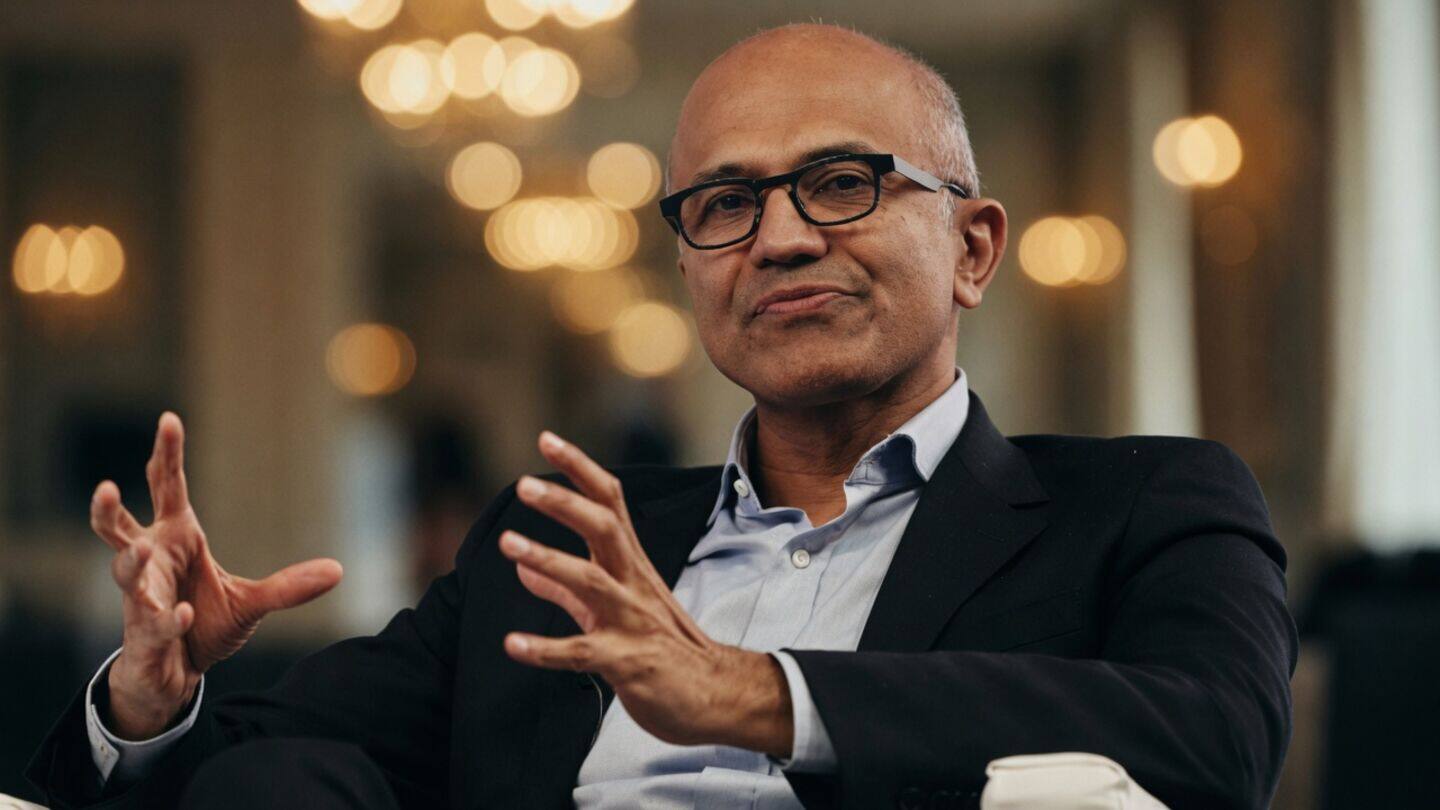
Microsoft AI division is the company team focused on building its consumer AI products. Microsoft AI division now has about 6,000 dedicated staff, and Microsoft has backed it with roughly $2.5 billion. That shows the software giant is making a very big bet on AI, which means tools that can answer, write, search, and help people work.
Key takeaways
- Microsoft has built a dedicated AI unit with about 6,000 employees.
- The company has put around $2.5 billion behind that effort.
- The team focuses on consumer AI products like Copilot, search, and assistants.
- The move shows Microsoft wants AI to become a core part of daily software use.
Why is Microsoft expanding the Microsoft AI division?
Microsoft is moving fast because the AI race is getting crowded. Google, Meta, OpenAI, and Anthropic are all pushing hard. So Microsoft does not want AI to sit on the side as a small experiment.
Instead, it has created a bigger, more focused unit. A dedicated unit means one group has a clear job. That job is to build AI products people actually use, not just research demos.
The reported numbers are striking. Around 6,000 people now work in this arm. The investment is about $2.5 billion, which is roughly ₹20,000 crore at an exchange rate near ₹83 per dollar.
That is a huge sum, even for Microsoft. For comparison, $2.5 billion could buy thousands of homes in many cities. In tech, it can pay for engineers, data centers, chips, and product launches.
What does the Microsoft AI division actually do?
The Microsoft AI division works on consumer-facing AI. Consumer-facing means products regular people use. That includes Copilot, search tools, and AI features inside apps and services.
Copilot is Microsoft’s AI assistant. An AI assistant is software that answers questions and helps finish tasks. It can draft text, summarize documents, and help search the web.
Microsoft has also tied AI into Windows, Edge, and Bing. That matters because those products already have millions of users. So the company can place AI features right where people already work and browse.
It also helps Microsoft own more of the full stack. The full stack means the whole chain, from chips and cloud to apps. That matters because AI is expensive, and control can lower delays and improve product speed.
Microsoft AI division: key figuresStaff$ bn6,0002.5Bars show dedicated staff and investment size.
Who is leading this push, and why now?
Microsoft brought in Mustafa Suleyman to lead this effort earlier this year. He is a well-known AI entrepreneur. He co-founded DeepMind and later worked on another AI startup called Inflection.
Leadership matters in AI because the field changes quickly. Teams need clear goals, fast decisions, and lots of money. Microsoft appears willing to provide all three.
The timing also makes sense. AI products went from fun demos to serious business tools in less than two years. Since that shift happened so fast, large tech firms are reorganising teams to keep up.
Microsoft has already spent heavily on AI in other ways too. It has a major partnership with OpenAI, the maker of ChatGPT. It also keeps expanding data centers, which are giant buildings packed with computers.
How big is this bet compared with the wider AI race?
It is big, but it is not happening in a vacuum. Big Tech companies are spending tens of billions of dollars on AI infrastructure. Infrastructure means the physical systems, like servers, chips, and network gear, that make software run.
For example, Microsoft has told investors that AI spending will keep rising as it builds more capacity. You can see that in the company’s official results and filings on its investor relations page. The company also keeps describing Copilot and AI as major product priorities on its official blog.
Still, a 6,000-person unit is notable because it shows focus, not just spending. Lots of companies say AI matters. Fewer build a stand-alone group this large to turn that claim into products.
That also raises pressure on rivals. Google is pushing Gemini. Meta is funding open-weight models, which are AI systems shared more openly. Apple is trying to add smarter tools to its devices, though at a slower pace.
| Metric | Reported figure | Why it matters |
|---|---|---|
| Dedicated staff | About 6,000 | Shows Microsoft built a large focused AI team |
| Investment | About $2.5 billion | Signals long-term product and talent spending |
| Rupee value | Roughly ₹20,000 crore | Helps Indian readers picture the scale |
What does this mean for users and the tech industry?
For users, this likely means more AI inside familiar Microsoft products. You may see stronger Copilot features in search, writing, work apps, and Windows. The goal is simple: make AI feel less like a separate chatbot and more like a built-in helper.
For the tech industry, it means the AI race is shifting from hype to execution. Execution means shipping real products people use every day. That can be harder than building a flashy demo.
There is also a money question. AI tools cost a lot to run because they need powerful chips and huge data centers. So Microsoft must prove these products can attract users and bring in revenue, which is the money a company earns from customers.
That is why this staffing jump matters. Hiring 6,000 people is not a side project. It is a sign that Microsoft thinks AI will shape the next era of personal computing.
If you have been tracking how AI is changing the industry, this move fits a bigger pattern. At Lapaas Voice, we recently covered how AI now writes 40% of Flipkart’s code. We also looked at how Tesla capped employee AI spending and how ElevenLabs hit a $22 billion valuation.
Those stories point to the same lesson. AI is no longer a niche tool for labs. It is becoming a core part of how big companies build products, hire workers, and spend money.
Microsoft’s latest AI push can be summed up simply: it has built a 6,000-person team and backed it with about $2.5 billion because it wants AI to sit at the center of everyday software, not at the edge.
Could this change Microsoft’s position against Google and OpenAI?
Yes, but the answer is a bit tricky. Microsoft already works closely with OpenAI, so the two are partners in some areas. But Microsoft also wants its own AI products, brand, and direct user relationship.
Against Google, this could sharpen the fight in search and assistants. Bing has long trailed Google in search share. AI gives Microsoft a fresh way to compete, because the contest may shift from links on a page to answers inside a chat-style tool.
That does not mean instant victory. People are slow to change habits. But if Microsoft keeps improving Copilot across Windows and Office, it could make AI a reason to stay inside its ecosystem, which is the set of products that work together.
FAQs
What is Microsoft AI division?
It is Microsoft’s dedicated team for consumer AI products, such as Copilot, search tools, and AI features in its software.
Why is Microsoft spending $2.5 billion on AI?
Microsoft wants faster product development, stronger talent, and more computing power. AI is now a top battleground in tech.
How many people work in Microsoft AI division?
The unit has about 6,000 dedicated staff, based on the reported figure tied to this latest expansion.