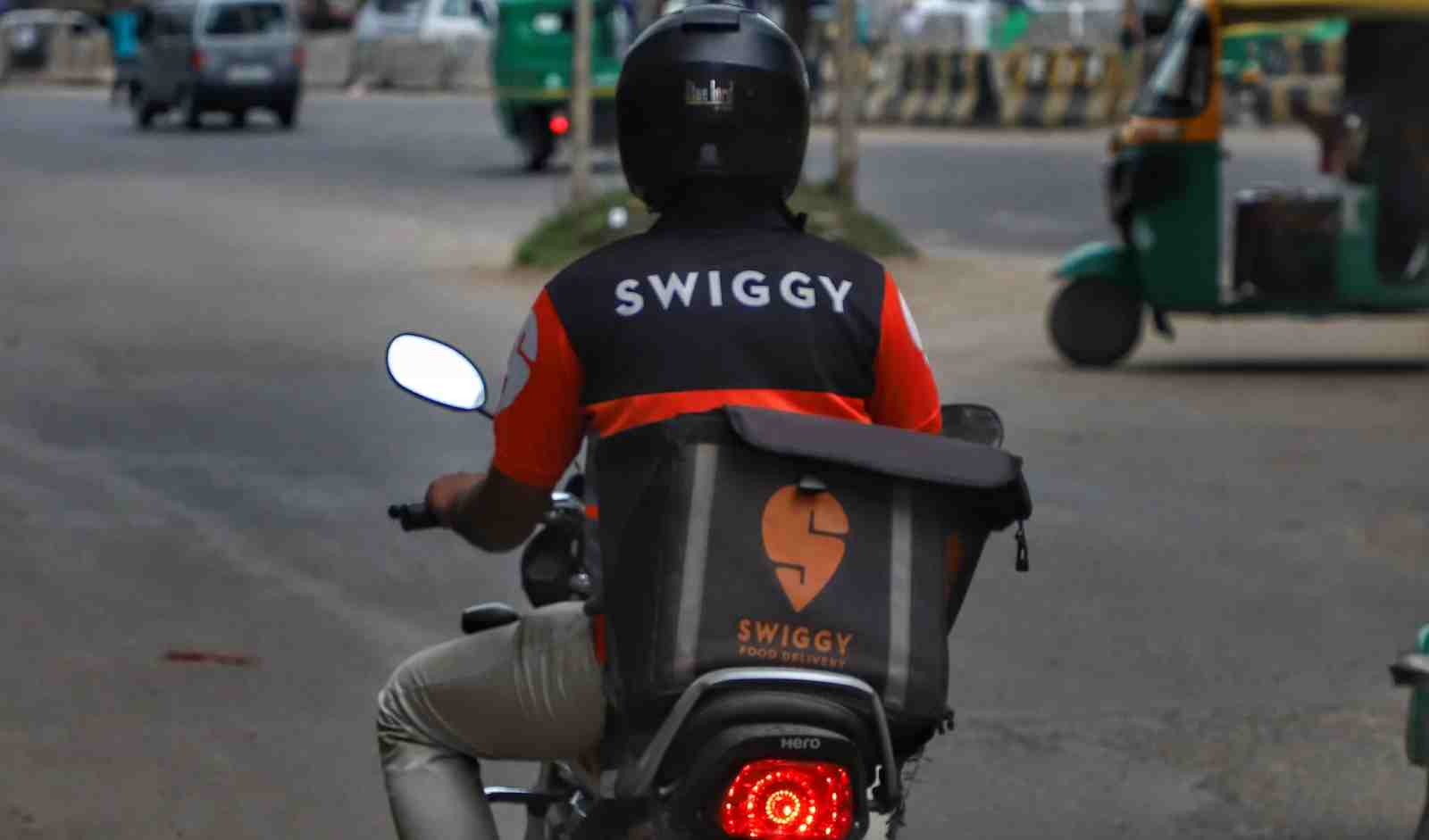
Swiggy ads consent row is the fight over whether Swiggy ran paid ads for some restaurant partners without clear approval. Restaurants say Swiggy later deducted the ad money from payouts. That means money a restaurant expected to receive got cut first. The dispute matters because some bills allegedly reached Rs 20 lakh.
Key takeaways
- Restaurants allege Swiggy ran ads for months without clear consent.
- Some claimed deductions were very large, with bills said to be as high as Rs 20 lakh.
- The core issue is consent, which means clear permission before spending someone else’s money.
- The bigger risk is trust between food apps and the businesses that depend on them.
What is the Swiggy ads consent row about?
The Swiggy ads consent row began after restaurants told reporters that paid promotions appeared to run on their behalf without proper sign-off. A sign-off is the final yes. They say the platform then deducted ad spending from their earnings over many months.
That is a serious claim because restaurant payouts are often tight. Many small outlets work on thin margins. Margin means the money left after costs. So even one surprise bill can hurt cash flow fast.
According to the reported claims, some restaurants saw deductions that added up to lakhs of rupees. One figure mentioned was up to Rs 20 lakh. That’s 2 million rupees. For a small brand, that can be the difference between hiring staff and cutting shifts.
Why are restaurants upset about consent?
The simple answer is control. If a business pays for ads, it wants to choose the budget, timing, and goal. Without that, the spending may not match what the owner wanted.
Consent also matters because ad tools can be hard to track. A dashboard is the screen where users monitor campaigns. If a restaurant did not knowingly start a campaign, then it may not watch those numbers every day.
Several restaurants said they noticed the issue only after checking settlement statements. A settlement statement is the payout summary. It shows sales, fees, taxes, and any deductions. So the problem may have built quietly before owners spotted it.
The core question in the Swiggy ads consent row is simple: did restaurants clearly agree before ad money was spent and deducted from their payouts?
How big could the money issue be?
The biggest number in the reports is Rs 20 lakh. That’s the top claim tied to one restaurant’s deductions. Even much smaller amounts would still matter, because many outlets count every rupee.
To picture it, think of three rough levels. A Rs 50,000 deduction can disrupt a monthly supply order. A Rs 5 lakh deduction can hit salaries and rent. A Rs 20 lakh deduction can shake an expansion plan or even survival.
Reported deduction examples50k5L20LRs 50,000Rs 5 lakhRs 20 lakh
Here is a simple comparison of what those figures can mean for a typical outlet. These are examples, not audited accounts. But they show why the Swiggy ads consent row is getting attention.
| Deduction size | What it could affect |
|---|---|
| Rs 50,000 | Ingredients, utility bills, or one short payroll gap |
| Rs 5 lakh | Rent, salaries, and working cash for several weeks |
| Rs 20 lakh | Store expansion, debt payments, or business survival |
What does this mean for Swiggy and other delivery apps?
Food delivery apps depend on trust from two sides. Customers need reliable orders. Restaurants need clear billing and fair tools. If either side loses trust, the whole system gets shaky.
Platforms often sell ads as a way to boost visibility. Visibility means how easily buyers can see a listing. That can help restaurants win more orders. But the value falls apart if owners feel the spending was not approved.
This issue also lands at a time when platforms already face close watching on fees, policies, and bargaining power. Bargaining power means who has more control in a deal. Big apps have huge reach, while small restaurants may feel they have fewer options.
That tension shows up in other sectors too. For example, our report on plans to curb 40% upfront agent commission looked at how middlemen incentives can distort the market. And our story on Google’s EU antitrust fine showed how platform power can draw regulator attention.
Could this bring legal or policy trouble?
It could, because billing and consent are basic business issues. If a company charges for a service without valid approval, that can trigger disputes, refunds, or formal complaints. The exact outcome depends on contracts, records, and how consent was collected.
Terms and conditions matter here. Those are the rules users accept. Sometimes platforms say a click, toggle, or campaign setting counts as approval. So any review would likely ask what restaurants saw, what they clicked, and whether the process was clear enough.
India has also been watching digital platforms more closely across sectors. You can see that in our coverage of Telegram’s username feature facing India scrutiny and possible new VPN rules in India. Different industries, same theme: platforms are expected to be clearer and more accountable.
For broader business rules, readers can check the Competition Commission of India and the Department of Consumer Affairs. Those bodies do not decide every private billing dispute, but they help explain the wider rulebook.
What should restaurant owners check right now?
First, review recent settlement statements line by line. Look for ad charges, boosts, campaign credits, or other marketing labels. Small deductions can hide in long reports, so take your time.
Next, match each charge with proof of approval. That could be an email, dashboard click, or signed message. If you cannot find one, ask the platform for a dated record. Then save screenshots and payout reports in one folder.
Owners should also set alerts for unusual spending. An alert is a warning message. For example, if ad spend crosses Rs 5,000 or Rs 10,000 in a week, the system should flag it at once. That simple step can stop a small issue from growing for months.
Why does the Swiggy ads consent row matter beyond one company?
Because this is really about digital fairness. More small businesses now depend on apps for orders, maps, ads, and payments. If the rules are confusing, the smallest players carry the biggest risk.
The Swiggy ads consent row is also a reminder that dashboards are not the same as understanding. A feature can exist on a screen, but that does not mean every busy owner fully grasped its cost. In fast-moving businesses, clarity beats complexity.
For readers, the story is bigger than one app bill. It asks who controls spending in online marketplaces. And it shows why plain-language consent is not just nice to have. It’s the base layer of trust.
FAQs
What is the Swiggy ads consent row?
It is a dispute over claims that Swiggy ran paid ads for restaurants without clear approval and then deducted the cost from payouts.
Why is Rs 20 lakh a big deal?
Rs 20 lakh is 2 million rupees. For many restaurants, that amount could affect salaries, rent, supplies, or expansion plans.
How can restaurant owners protect themselves?
They should check settlement reports often, save proof of approvals, and set spending alerts so surprise deductions show up quickly.