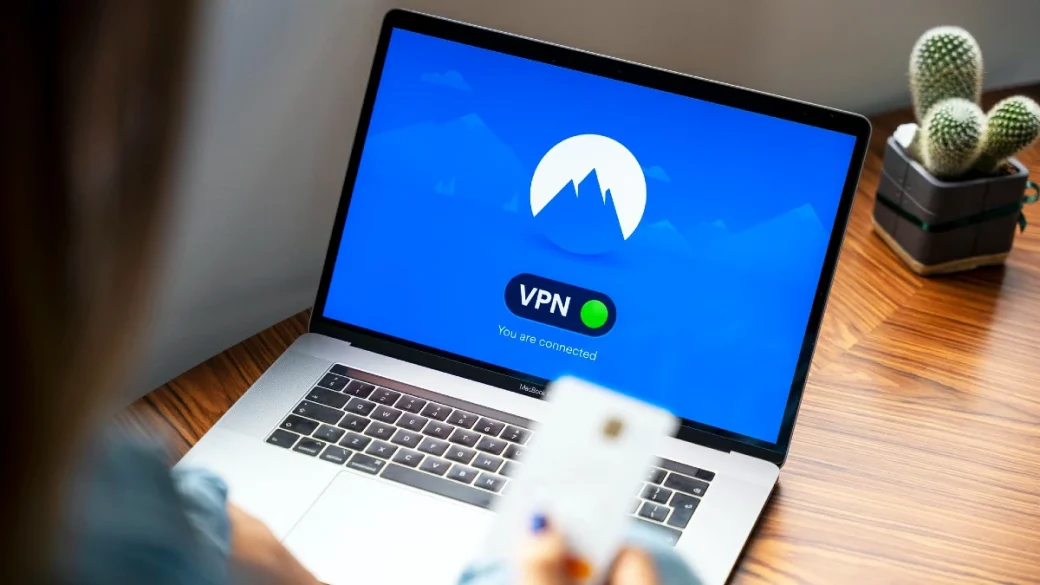
VPN rules India may soon get tougher for foreign companies. VPN rules India is the simple name for rules India uses to control virtual private network services. A VPN is a tool that hides your internet route. New rules could force overseas VPN firms to open offices in India and name local compliance officers.
Key takeaways
- India may ask foreign VPN firms to set up a local office.
- They may also need a compliance officer based in India.
- The move could make law enforcement requests faster.
- But privacy groups may worry about user data and oversight.
What is happening with VPN rules India?
A report says the Indian government is preparing stricter checks for foreign VPN providers. These are companies based outside India that still offer apps and services to Indian users. The plan would make them keep a real local presence, so officials have someone inside the country to contact.
A compliance officer is a person who handles legal and regulatory requests. In plain words, that person answers the government when a rule issue comes up. India has used this model before for social media and tech firms, so the idea is not completely new.
If this plan moves ahead, it could hit many popular VPN brands. Some have no office in India today. A few left or changed operations after earlier data rules, because they said those rules clashed with their privacy promises.
Why does India want this now?
The government has pushed harder on cybersecurity in the last few years. Cybersecurity means keeping computers, networks, and data safe from attacks. Officials often argue that they need faster access to companies when a crime, hack, or national security case appears.
That matters because VPNs can hide where traffic comes from. People use them for safety on public Wi-Fi, for work, and for privacy. But criminals can also use them to cover their tracks, so governments watch them closely.
India’s computer emergency agency, CERT-In, already set data directions in 2022. CERT-In is the country’s cyber incident response team. Those rules asked service providers to keep some user information for at least 5 years, and that caused a sharp fight with several VPN firms.
Back then, companies like ExpressVPN and Surfshark said they would remove physical servers from India. Physical servers are the actual machines that process internet traffic. They still served Indian users through virtual locations or servers outside the country.
How could these VPN rules India change the market?
The biggest change is cost. A local office costs rent, staff, lawyers, and tax work. A compliance officer adds another layer, because that person must answer notices, keep records, and coordinate with agencies.
For large firms, that may be annoying but manageable. For smaller VPN brands, it could be a real barrier. Some may stay out of India, while others may pass costs to users through higher subscription prices.
That could leave fewer choices for customers. India has a huge internet base of more than 900 million users, according to government and industry estimates. Even if only a small slice pays for VPNs, that is still a big market.
VPN rules India: key numbers5 years2022 rule900m+Data retentionCERT-InInternet users
The chart above shows three numbers behind this debate. The first is 5 years of data retention under earlier rules. The second is 2022, when those rules landed. The third is India’s internet population, which is above 900 million users.
What does this mean for your privacy?
That depends on what final rules say. A local office does not automatically mean a company reads your messages. But it can make it easier for authorities to send legal demands and get quick replies.
Privacy advocates will likely ask what data must be stored, who can request it, and how users are protected. Those details matter most. A broad rule can affect ordinary people who just want safer browsing on airport or cafe Wi-Fi.
VPN firms often market themselves as no-log services. No-log means they say they do not keep records of what you do online. If a rule asks for data that a company promises not to keep, then conflict starts right there.
India appears to be moving from remote regulation to local accountability: if a foreign VPN company wants Indian users, it may need an office and a named officer inside India.
How does this compare with earlier tech rules?
India has already pushed major internet companies to appoint local grievance and compliance officers. Grievance means complaints from users or officials. So this step fits a wider pattern of making global platforms answerable inside India.
We’ve seen similar pressure in other corners of tech too. For example, banks are building local AI systems, as seen in HDFC Bank’s Neev AI platform. Big companies are also changing how they handle AI and software work, including Flipkart saying AI writes 40% of its code.
There is also a security angle across devices and apps. Apple is adding scam alerts in software, as we explained in our report on iOS 27 scam detection. That shows how governments and companies both want tighter control, but they often disagree on where privacy should stop.
What numbers matter most here?
Three figures stand out in this story. First, the earlier CERT-In rule asked for data retention of 5 years. Second, that rule arrived in 2022. Third, India has more than 900 million internet users, which makes any digital rule a very big deal.
| Issue | What it means | Why it matters |
|---|---|---|
| Local office | VPN firm keeps a base in India | Officials get a local contact point |
| Compliance officer | Named person handles requests | Faster legal response |
| Data rules | Possible storage or reporting duties | Could affect privacy promises |
Those numbers show why this is not a small niche issue. A niche issue is one that affects only a tiny group. Here, the result could shape how millions of Indian users reach the web, work remotely, and protect themselves online.
What should users and VPN companies watch next?
Watch for an official notification, not just leaks or reports. A notification is the formal government document that sets the rule. Until that appears, details can still change.
Users should look at whether their VPN stores logs, where its servers sit, and whether it explains Indian compliance clearly. Companies should prepare for legal, staffing, and server changes. They may also need to rewrite privacy pages in plain language, because trust will matter even more.
For the government side, the next test is balance. It wants security and faster cooperation. But if the rules look too heavy, India could lose some VPN providers, and that may shrink user choice instead of improving safety.
For primary details on India’s cyber directions, readers can check CERT-In and the Ministry of Electronics and Information Technology. Those are the official sources most likely to publish any final move under VPN rules India.
FAQs
What is a VPN?
A VPN is a service that routes your internet through another server. It can add privacy and help protect you on public Wi-Fi.
Why does India want local VPN offices?
India likely wants quicker responses to legal and security requests. A local office and officer make that easier.
How could VPN rules India affect users?
VPN rules India could change prices, privacy policies, and which brands stay in the market. The final effect depends on the exact wording of the rule.