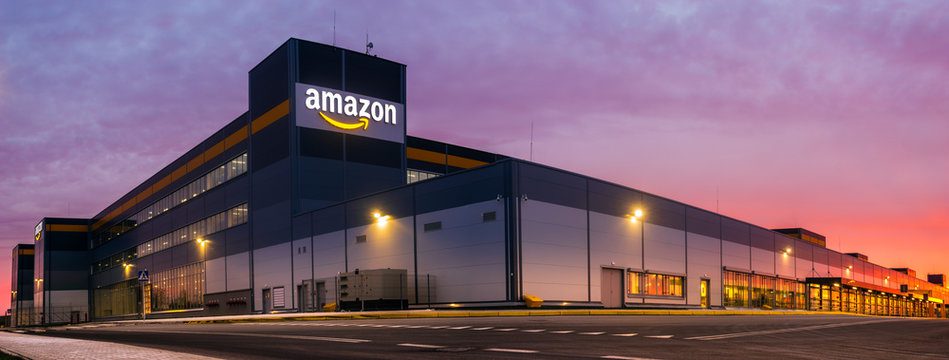
Amazon data centres are growing again in India. Amazon data centres means the huge buildings that store computers, files, and internet services for companies and apps. This time, Amazon has taken land on lease in Mumbai from L&T for about ₹650 crore. That move shows Amazon expects much more demand for cloud and AI work in India.
Key takeaways
- Amazon has leased Mumbai land from L&T for about ₹650 crore.
- The site is linked to a bigger push in India cloud and AI infrastructure.
- Data centres need large plots, heavy power supply, and strong internet links.
- Mumbai remains a top hub because many firms and networks already sit there.
Why did Amazon take this Mumbai land?
Amazon wants more room for servers. Servers are powerful computers that run websites, apps, and online storage. A land lease gives Amazon control of a site without buying it forever, so it can build for the long term.
The reported deal value is around ₹650 crore. That’s a huge number, equal to 6.5 billion rupees. Big tech firms spend this kind of money because data centres are expensive to build, and they must stay online all day and night.
Mumbai matters because it is India’s main financial and internet gateway. Many banks, media firms, cloud customers, and cable landing stations are there. Cable landing stations are the places where undersea internet cables reach land. So, being close helps reduce delays and improve speed.
What makes Amazon data centres so important?
When you stream a show, save photos, or use AI tools, a data centre often does the heavy lifting. Amazon data centres support Amazon Web Services, also called AWS. AWS is Amazon’s cloud business. Cloud means renting computing power over the internet instead of owning every machine yourself.
That matters for startups, banks, hospitals, and governments. They can launch apps faster because they do not need to build their own giant computer buildings. In fact, one data centre campus can hold rows and rows of machines, like a warehouse filled with brains for the internet.
India is a key market for that growth. More people use digital payments, video, shopping apps, and AI tools each year. As a result, companies need more storage, more computing power, and faster response times inside the country.
How big is India’s data centre race now?
India’s data centre race is getting crowded. Amazon data centres are expanding while rivals also add capacity. Capacity means how much computing and storage a site can handle. Mumbai, Chennai, Hyderabad, Pune, and Noida are all competing for new projects.
The numbers help show the scale. The lease itself is about ₹650 crore. AWS had already said it plans to invest billions of dollars in India over the coming years, including cloud infrastructure. That means land is just one piece of a much bigger spending plan.
Data centres also use a lot of electricity. A single large campus can need tens of megawatts of power. A megawatt is a unit of power. One megawatt can supply hundreds of homes, so these sites need serious energy planning.
Amazon Mumbai data centre push: key figures₹650 cr24/7Lease valueAlways on
Why is Mumbai such a magnet for data centres?
Mumbai has three big advantages. First, it has strong fibre networks. Fibre networks are the super-fast cables that carry internet traffic. Second, it has many large business customers nearby. Third, it connects well to global internet routes.
But Mumbai is not cheap. Land costs more there than in many other cities. Power and cooling can also cost a lot, because servers create heat and must stay cool to work safely.
Even so, companies keep choosing it. That’s because downtime is costly. Downtime means a service stops working. If a bank app or shopping site goes dark for even a few minutes, people notice fast.
What does this mean for India businesses and users?
For businesses, more Amazon data centres can mean faster cloud access and more local capacity. Local capacity matters because some companies want data stored inside India. Data localisation means keeping certain data within the country due to business or legal needs.
For users, the effect is less visible but still real. Apps may load faster. Video calls may feel smoother. AI tools may answer quicker, especially when companies can process more work closer to users.
There is also a jobs angle. Building a data centre creates work for engineers, electricians, construction crews, and network teams. Then ongoing operations need facility managers, security staff, and maintenance experts.
| What | Why it matters |
|---|---|
| ₹650 crore lease | Shows Amazon is making a long-term bet |
| Mumbai location | Gives strong network links and access to major clients |
| Cloud growth | Helps firms run apps, storage, and AI services |
| Power demand | Needs heavy infrastructure and steady electricity |
How does this fit with other big India tech shifts?
This move comes as India sees bigger investments across chips, devices, AI, and connectivity. For example, manufacturers are facing supply chain pressure, as we explained in our report on the display shortage after memory chips. At the same time, device brands are adjusting output, as seen in our coverage of Xiaomi, Oppo, and Vivo cutting production.
Cloud infrastructure is the quieter part of that story, but it may be the most important. Phones and apps grab the headlines. Yet the internet still needs physical buildings full of machines. That’s why Amazon’s latest step matters beyond real estate.
The deal also adds to the broader debate on digital independence. India wants more critical tech infrastructure at home. You can see a similar push in areas like regulation and supply chains, including India’s fast-rising PCB exports to China.
What should readers watch next?
Watch for construction timelines, power agreements, and any new AWS capacity announcements. Capacity announcements tell customers how much more cloud space is coming. Also watch whether Amazon adds more sites in cities like Chennai or Hyderabad, which already attract data centre money.
Another thing to track is AI demand. AI workloads use a lot of computing power, especially for training large models. If AI adoption keeps rising, Amazon data centres may need even more land, more chips, and more electricity.
A simple way to see the story is this: Amazon is not just renting land. It is building the backbone for future internet and AI growth in India. Primary reports on the deal and company plans can be checked through Moneycontrol’s report and AWS information published on Amazon Web Services India.
Amazon’s ₹650 crore Mumbai land lease signals a simple bet: India will need a lot more local cloud and AI capacity, and the companies that build early could have the edge.
FAQs
What are Amazon data centres?
They are large facilities filled with servers. Those servers power cloud storage, apps, websites, and AI services.
Why did Amazon choose Mumbai?
Mumbai has strong internet links, large business clients, and global cable connections. So it is one of India’s top data centre hubs.
How could this affect everyday users?
You may get faster apps, smoother online services, and better AI response times. The change happens in the background, but it can still improve daily internet use.