Key takeaways
- The stock exchanges RTI ruling could decide whether exchanges like NSE must reply to RTI requests.
- RTI means Right to Information. It is a law that lets people ask public bodies for records.
- The Delhi High Court case matters beyond one company, because other exchanges could face the same test.
- If courts say yes, investors may get more facts about how exchanges work and make decisions.
The stock exchanges RTI ruling is about whether stock exchanges must answer questions under India’s RTI law. RTI means Right to Information. It is a law that lets people ask certain bodies for official records. This case now matters far beyond NSE.
That is the big reason people in markets are watching the Delhi High Court closely. A stock exchange is where shares are bought and sold. Think of it like a giant, rule-based marketplace for stocks. If the court widens RTI access, investors could ask for more details about how these markets are run.
Why is the stock exchanges RTI ruling such a big deal?
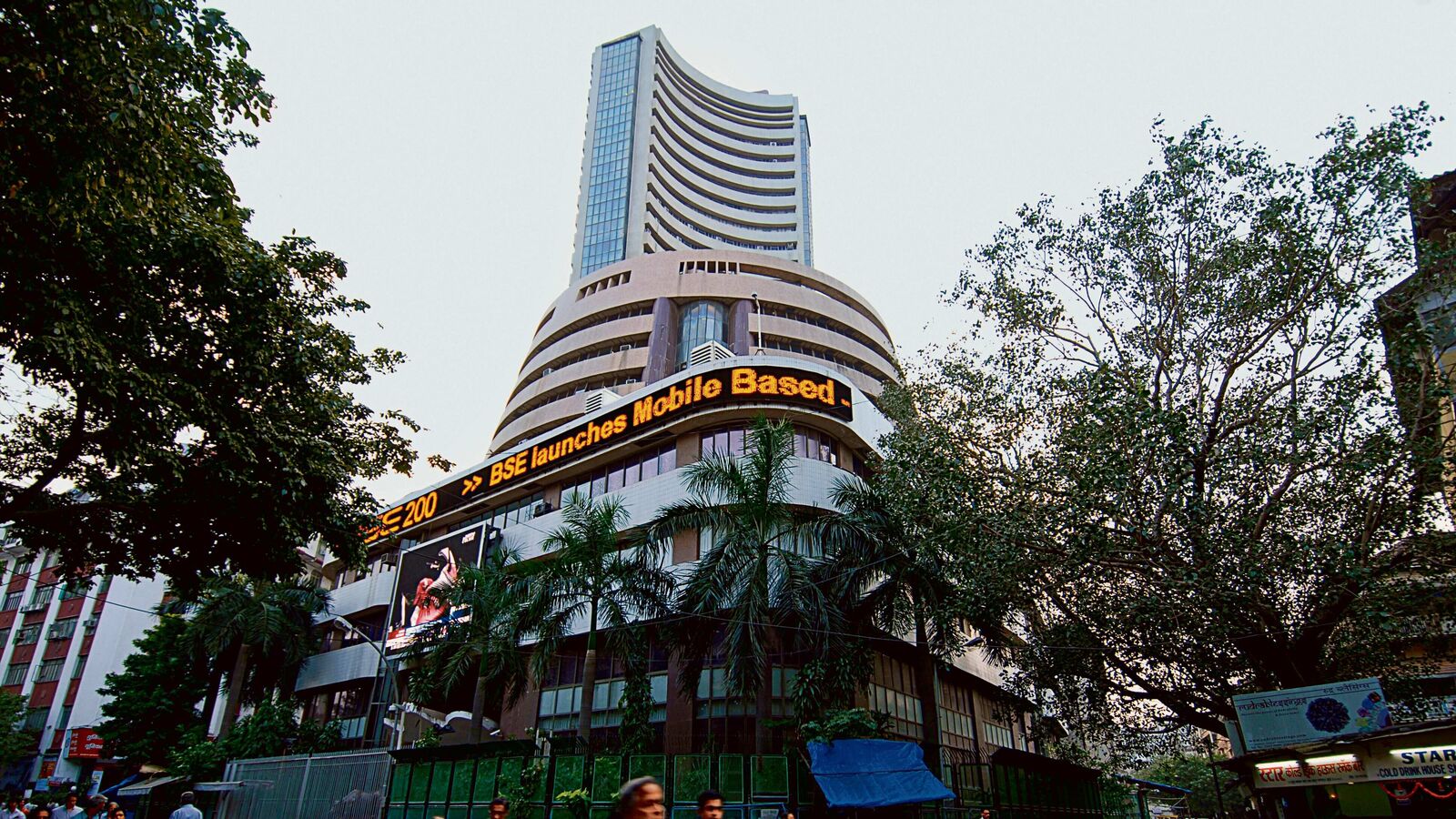
The case centres on the National Stock Exchange, or NSE. NSE is India’s largest stock exchange by trading activity. It handles huge daily volumes, so its decisions can affect millions of investors.
The legal fight is not just about one reply to one query. It asks a broader question. Are stock exchanges private companies, or do they do such public work that RTI should apply to them too?
That matters because exchanges are not ordinary firms. They set trading rules, watch listed companies, and help keep markets fair. They also work under SEBI. SEBI is the market regulator. It writes and enforces rules for India’s securities market.
In simple terms, the court is looking at function, not just form. Form means what an organisation is called on paper. Function means what it actually does every day. That difference could shape the whole stock exchanges RTI ruling.
What did the Delhi High Court look at?
The High Court examined whether NSE can be treated as a public authority under the RTI Act. A public authority is a body that must share information, unless a legal exemption applies. Exemption means a valid reason to withhold some records.
Courts usually ask a few basic questions in such cases. Does the body perform a public duty? Does the government control it in a meaningful way? Does it get major public funding? These tests help judges decide where RTI should reach.
NSE has argued in past matters that it is a private entity. But people seeking information say its role is too important to hide behind that label. Because exchanges help run the market itself, they say the public deserves more answers.
That is why the stock exchanges RTI ruling could have wider effects. If one exchange is treated as a public authority, others may face similar demands. BSE and other market bodies could come under fresh legal pressure too.
What could change for investors if RTI applies?
If RTI applies, investors may be able to ask for records on some decisions, processes, and communications. That does not mean every file becomes public. The RTI Act has carve-outs for sensitive material, trade secrets, and personal data.
Still, even limited access could matter a lot. For example, people may seek information on how certain complaints were handled. They may also ask how surveillance systems work in broad terms. Surveillance means watching trading activity for signs of cheating.
More openness could build trust, especially after old debates around governance and market fairness. Governance means how an organisation is controlled and supervised. Investors tend to feel safer when rules are clear and records can be checked.
Here is the core point in plain words:
If stock exchanges fall under RTI, they would not become fully open books, but they could be forced to explain more of how they use public power inside private structures.
How big are India’s stock exchanges?
India’s markets are enormous, which is why this legal question is not minor. NSE’s cash market share has often stayed above 90% in equity trading. Equity trading means buying and selling company shares. BSE remains important too, especially in listings and other market segments.
India also has more than 100 million demat accounts. A demat account is where electronic shares are stored. That number shows how many households now touch the stock market, directly or through savings plans.
SEBI regulates stock exchanges, brokers, mutual funds, and listed firms. India’s market value has crossed $5 trillion at points in recent years. Market value means the total worth of listed companies based on share prices.
Why this case mattersNSE cashshare 90%+Demat100m+Market cap$5tn+
The figures above are rounded, but they show the scale. When a market institution is this large, small rule changes can touch a lot of people. So the stock exchanges RTI ruling is really a question about power and accountability.
Could this affect other regulators and market bodies?
Yes, at least in argument and strategy. Lawyers in future cases could use this stock exchanges RTI ruling to push for more disclosure from related institutions. Each body would still be judged on its own facts, but one strong order can shape the next fight.
That does not mean every financial body will fall under RTI overnight. Courts move case by case. But once judges focus on public function, many hybrid institutions look different. Hybrid means partly private in structure, but public in role.
India has seen similar debates in other sectors too. Bodies that control access, standards, or public systems often face the same question. If they shape public life in major ways, should they answer public questions?
| Issue | If RTI applies | If RTI does not apply |
|---|---|---|
| Investor access | More formal record requests | Limited to existing disclosures |
| Transparency | Could improve on some decisions | Mostly stays within present rules |
| Other exchanges | May face similar demands | Less immediate pressure |
What happens next after the stock exchanges RTI ruling?
The immediate next step depends on the court’s final direction and any appeal. An appeal means asking a higher court to review the decision. In big regulatory cases, appeals are common, so the story may not end quickly.
If the final outcome goes against NSE, the exchange may need to change how it handles information requests. It may also need systems to sort what can be shared and what must stay protected. That sounds technical, but the basic issue is simple: who gets to see what, and why?
Meanwhile, investors should not expect instant full access to everything. RTI has limits, and market-sensitive records can be shielded. Market-sensitive means information that could move prices unfairly if released at the wrong time.
Still, this stock exchanges RTI ruling could nudge the market toward more openness. And that matters because trust is the fuel of any exchange. Without trust, even the fastest trading system feels shaky.
Where can readers track the legal and policy backdrop?
You can read the RTI Act on the official law text. You can also check SEBI’s rules and circulars on the SEBI website. Primary sources matter, because legal stories often get noisy fast.
For related market context, read our report on how the RBI swap window may help ICICI raise cheaper dollar funds. You can also see why the India IPO pipeline may hit $40 billion in H2 and how the net fund settlement plan for mutual funds could change the system. For a wider governance angle, our piece on the Tata Sons listing rule shows how regulation can reshape large institutions.
FAQs
What is RTI in simple words?
RTI is the Right to Information law. It lets people ask certain public bodies for records and replies.
Why does the stock exchanges RTI ruling matter to small investors?
It could give investors another way to ask how key market decisions were made. More answers can mean more trust.
Who could be affected if NSE comes under RTI?
NSE would be affected first, but other exchanges and similar market institutions could face the same question later.