Key takeaways
- India’s IT ministry has started looking into the Tata Electronics cyber leak.
- The reported breach exposed internal Apple-related documents, including iPhone 18 Pro files.
- This case matters because Tata Electronics is a key Apple supplier in India.
- The probe could raise pressure on factories to tighten cyber security, which means digital safety steps.
The Tata Electronics cyber leak is a reported data breach at a major Apple supplier in India. A data breach means private digital files get exposed or stolen. India’s IT ministry, called MeitY, has now begun a probe. That means officials want to find out what happened, what was exposed, and how serious it is.
Why is the Tata Electronics cyber leak a big deal?
This story is bigger than one hacked company. Tata Electronics helps make and assemble parts for Apple, so it sits inside a very secretive global supply chain. A supply chain is the network of firms that make and move products.
Reports say the exposed files included confidential Apple supplier details and iPhone 18 Pro-related documents. Apple guards future product plans closely, because leaks can hurt launch plans and give rivals clues. That’s why even one breach can echo far beyond one factory.
MeitY, short for the Ministry of Electronics and Information Technology, is the central government body that handles digital policy. Its involvement shows the issue may matter not just to Tata and Apple, but also to India’s push to become a trusted electronics hub.
India has spent years trying to attract more phone and chip manufacturing. In fact, Apple suppliers have expanded fast in the country. Tata has become one of the most watched names in that shift, alongside moves covered in our report on the iPhone 18 supplier list exposed in Tata Electronics data leak.
What is MeitY likely checking now?
Officials usually start with basic questions. How did attackers get in? Which systems were touched? Were files only viewed, or also downloaded and shared? Those details shape the next steps.
The Tata Electronics cyber leak probe may also examine whether security rules were followed inside the company and across vendors. Vendors are outside firms that provide software or services. Sometimes hackers enter through a weak third-party link, not the main company door.
If personal data was affected, other laws and reporting duties could come into play. Personal data means information tied to a real person, like names or contact details. So far, reports have focused more on confidential business files than customer data.
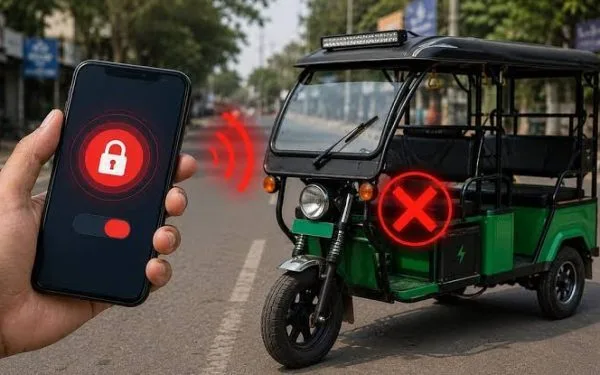
India has seen rising concern over cyber risks in strategic sectors. For example, authorities have also acted in digital cases involving transport and telecom tools, as seen in our coverage of the government’s app action tied to e-rickshaw stalling.
What do the key numbers show?
Some numbers help explain why this matters. Apple supplier leaks can affect product plans worth billions of dollars. India also exported smartphones worth more than $15 billion in FY24, according to government statements, showing how large this ecosystem has become.
One leaked file can travel very fast online. In seconds, it can be copied many times. That’s why cyber experts focus not only on stopping break-ins, but also on limiting what intruders can reach once inside.
Why the case mattersFuturefilesIndiaphone exportsSuppliertrustHighVery highHigh
Here is a simple snapshot of the issue:
| Point | What it means |
|---|---|
| Probe started | MeitY has begun checking the reported breach. |
| Files exposed | Reports point to Apple supplier and iPhone 18 Pro documents. |
| Company role | Tata Electronics is part of Apple’s India manufacturing network. |
| Wider risk | Leaks can damage trust, contracts, and future factory expansion. |
How could the Tata Electronics cyber leak affect Apple and India?
Apple likes tight control over product secrets. So a leak tied to a supplier can trigger internal reviews, stricter audits, and new access rules. An audit is a formal check of systems and records.
For India, the issue is about reputation as much as law. The country wants to be seen as a safe place to build high-value electronics. If companies fear weak cyber defences, they may slow sensitive work or spread it elsewhere.
That does not mean one breach will derail India’s electronics push. But it does mean trust has to be earned again and again. In supply chains, trust works like glass. It takes time to make, but one crack gets noticed fast.
This comes at a time when electronics makers already face pressure on many fronts, from component bottlenecks to production shifts. We recently explained related strain in display shortages after memory chip problems and in smartphone production cuts by Xiaomi, Oppo, and Vivo.
What usually happens after a cyber probe starts?
First comes containment. That means blocking further access, resetting credentials, and checking logs. Logs are digital records that show who accessed what and when.
Then investigators map the damage. They look for the first entry point, the time line, and the full list of exposed files. If needed, firms also alert clients and tighten supplier access.
Companies often split systems after a breach. This is called network segmentation. It means one part of the network is kept apart from another, so a hacker cannot roam freely.
A direct, quotable way to see this case is simple:
Tata Electronics matters to Apple’s India plans, so any leak of confidential files becomes more than a private company problem. It turns into a trust test for India’s electronics supply chain.
Primary-source details on cyber incident reporting and digital governance can be tracked through the MeitY website and alerts from CERT-In, India’s national cyber emergency team.
What should readers watch next?
Watch for three things. First, whether Tata Electronics confirms the scale of the breach. Second, whether Apple changes supplier controls. Third, whether MeitY signals wider checks across electronics manufacturing.
The Tata Electronics cyber leak may end as a narrow supplier incident. Or it may become a warning for the whole sector. Since India wants more premium electronics work, every company in that chain will now be reminded that cyber security is not a side issue.
That is the real lesson here. Factories don’t just make devices. They also hold maps, designs, test files, and partner lists. When those digital doors open to outsiders, the damage can spread much farther than the shop floor.
FAQs
What is the Tata Electronics cyber leak?
It is a reported data breach involving Tata Electronics. Reports say confidential Apple-related files were exposed.
Why is MeitY probing this case?
MeitY handles digital policy and cyber issues. It wants to know how the breach happened and how serious it is.
How could this affect Apple?
It could push Apple to tighten supplier checks. It may also lead to stricter rules for access to future product files.