Key takeaways
- The nuclear startups milestone means new reactor firms have cleared an early design step.
- These companies want to build smaller reactors that are faster and cheaper to deploy.
- Approval is not the same as a working plant, so big hurdles still remain.
- The prize is huge because grids need more steady power for homes, factories, and AI data centres.
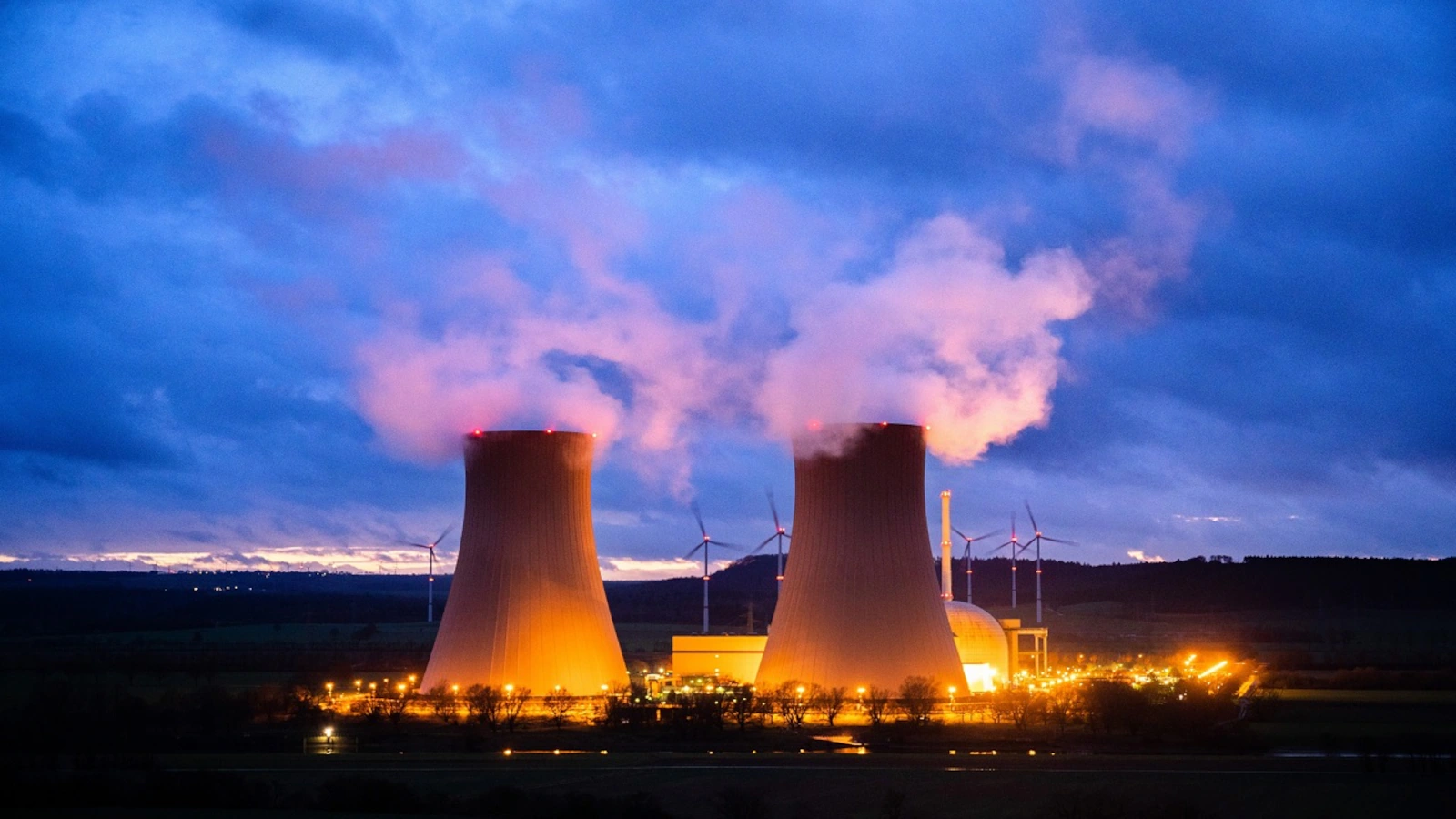
The nuclear startups milestone is a key step for young reactor companies. It means their reactor ideas have moved deeper into the official review process. That’s important because nuclear plants make large amounts of electricity with very low carbon emissions, which means less climate-warming pollution.
This moment matters because power demand is rising fast. Data centres, factories, and electric cars all need more electricity. So governments and investors are looking again at nuclear power, even though it is slow and costly to build.
What is the nuclear startups milestone?
The nuclear startups milestone refers to new progress in reactor licensing and design review. Licensing is the legal process a company must pass before it can build and run a plant. In simple terms, regulators check if the design looks safe enough to move ahead.
For years, many advanced reactor firms mostly had slides, models, and promises. Now some are reaching formal checkpoints with US regulators. That shifts the story from dream stage toward build stage, even if real power is still years away.
Think of it like getting approval for a plane design before making hundreds of flights. You have not reached the destination yet. But you have cleared a gate that stops many ideas from ever becoming real machines.
Why does the nuclear startups milestone matter now?
The timing is a big deal because electricity demand is climbing again. The International Energy Agency has warned that power use from data centres could rise sharply this decade. That creates pressure for reliable electricity that can run day and night.
Solar and wind are growing fast, and they are vital. But they depend on weather and time of day. Nuclear can provide steady “baseload” power. Baseload means the always-on electricity a grid needs, like the floor under the whole system.
That is one reason tech firms and utilities are paying attention. Utilities are the companies that deliver electricity to homes and businesses. They want power sources that are clean, reliable, and available at scale.
The climate angle also matters. Nuclear plants produce power without burning coal or gas. As a result, they emit very little carbon dioxide during operation. Carbon dioxide is the main gas heating the planet.
How are these new reactors different from old nuclear plants?
Most startups are not trying to copy giant reactors from the last century. They are working on smaller designs, often called SMRs. SMR means small modular reactor, which is a reactor built in smaller pieces that factories can make more easily.
Many designs aim to use safer cooling systems or different fuels. Some use molten salt, while others use high-temperature gas or liquid metal. Those terms sound complex, but the basic goal is simple: keep the reactor cool and stable in better ways.
Supporters say small reactors could cut costs and speed up construction. A traditional large plant can take 10 years or more to finish. Some startup designs claim they can do better, though that still has to be proven in the real world.
Here is a simple look at the gap between old and new ideas:
| Type | Typical size | Main pitch | Main risk |
|---|---|---|---|
| Traditional reactor | 1,000+ MW | Lots of power from one site | High cost and long build time |
| Startup small reactor | 50-300 MW | Smaller, factory-made parts | Still mostly unproven |
What still stands in the way?
The nuclear startups milestone is real progress, but it does not guarantee success. Nuclear projects need huge sums of money. One advanced reactor project can cost hundreds of millions of dollars before it even reaches full construction.
They also face strict safety review. That is necessary because nuclear accidents can cause severe harm. Regulators move slowly for a reason, so even strong designs can spend years in review.
Then there is the supply chain problem. Supply chain means the network of firms making parts, fuel, steel, and control systems. If only a few suppliers exist, costs can jump and schedules can slip.
Waste is another hard issue. Spent fuel is used nuclear fuel that stays radioactive for a long time. Countries know how to store it safely, but long-term political solutions are still messy.
Public trust matters too. Big nuclear accidents shaped how many people see the industry. So startups must prove not just that their math works, but that communities should feel safe living nearby.
What do the numbers say?
The United States gets about 18% of its electricity from nuclear power, according to the US Energy Information Administration. That is lower than gas, but still a major slice. Nuclear also supplies nearly half of the country's carbon-free electricity, which shows why policymakers care.
Globally, nuclear generated roughly 9% of electricity in recent years, based on data tracked by the International Atomic Energy Agency and other energy bodies. Meanwhile, a single large reactor can produce around 1,000 megawatts, enough to power hundreds of thousands of homes.
Many startup concepts are much smaller, often between 50 and 300 megawatts. That is less power from one unit, but easier siting is part of the pitch. A megawatt is a unit of power, like the speed of electricity output at a moment in time.
Key nuclear power numbersGlobal9%US18%SMR300 MW
Could this help the wider energy and tech race?
Yes, that is a big part of why investors are excited. AI data centres need enormous power. If that demand keeps rising, countries will need more than one solution, so nuclear could sit beside wind, solar, batteries, and gas.
We have seen how energy demand shapes industry stories before. For example, our report on Amazon data centres and its Mumbai land lease showed how digital growth pulls in infrastructure spending. The same pressure helps explain renewed interest in reactors.
There is also a manufacturing angle. Building reactors means steel, electronics, heavy engineering, and fuel services. That echoes wider industrial policy fights, including supply chain and trade tensions such as the India-US tariff dispute.
And while this story is about energy, it connects to the AI boom too. Big tech keeps spending on compute, which is the raw processing power behind AI systems. We covered that expansion in our story on Microsoft's growing AI division.
So, should people get excited yet?
Yes, but carefully. The nuclear startups milestone shows these firms are getting more serious. It means they are entering the part of the journey where papers, tests, and regulators begin to matter as much as investor hype.
But a milestone is not a finish line. The industry still must prove it can build on time, control costs, and earn public trust. Until actual plants deliver power to the grid, many claims will remain just that: claims.
Here is the clearest answer:
The nuclear startups milestone matters because it moves advanced reactor companies from bold ideas toward real-world approval, at a time when countries urgently need more clean, steady electricity.
If even a few of these startups succeed, the payoff could be huge. If they fail, nuclear's next chapter could stall again. That is why this step, while early, deserves attention.
FAQs
What is a small modular reactor?
It is a smaller nuclear reactor built from modules, or parts. The idea is to make construction faster and cheaper.
Why do startups want to build nuclear plants?
They see demand for clean, steady power rising fast. That includes homes, industry, and AI data centres.
How long before these reactors make electricity?
Usually years, not months. Licensing, funding, construction, and testing all take a long time.
Who checks if a reactor is safe?
Government nuclear regulators do that job. In the US, a key agency is the Nuclear Regulatory Commission.