Key takeaways
- Dabur India profit growth is the company’s expected rise in earnings. In simple words, it means Dabur thinks it will make clearly more profit than a year ago.
- Dabur said first-quarter profit should grow in double digits, even though costs stayed high.
- The company used price hikes to cushion inflation. Cushion means soften the hit.
- Demand was mixed, with rural markets doing better than city demand in some parts.
- Investors will now watch margins, sales volume, and management comments in the full results.
Dabur India profit growth is the big story in its latest quarterly update. The phrase means profit is rising, not just sales. Dabur said its first-quarter profit should grow in double digits. That suggests price hikes helped the company handle inflation.
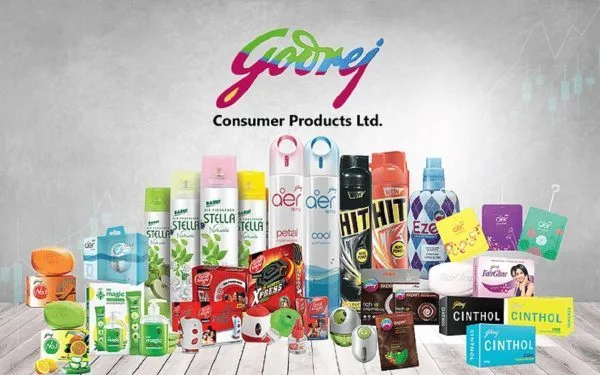
Dabur is one of India’s best-known consumer goods groups. It sells everyday products like toothpaste, hair oil, honey, juices, and health items. Consumer goods means things people buy often and use fast. Because these are regular purchases, Dabur can be a useful sign of how household spending looks.
Why is Dabur India profit growth expected now?
The short answer is pricing. Dabur said it raised prices, so it could deal with inflation. Inflation means prices of inputs and daily goods rise over time. When raw materials cost more, companies either absorb the pain or charge shoppers more.
In this case, Dabur signalled that higher prices helped protect profit. That matters because profit can fall fast if costs rise but selling prices do not. Reuters reported the company expects double-digit growth in consolidated net profit for the June quarter. Consolidated means the main company and its units are counted together.
Double-digit growth usually means at least 10%. So if profit was 100 last year, it would be 110 or more now. Dabur did not give the exact rupee number in the update. But even that broad guide is important, because it shows management feels confident about the quarter.
There is also a margin angle here. Margin is the share of revenue left after costs. A company can sell more and still earn less if margins shrink. Dabur’s update suggests price hikes may have helped stop that squeeze.
Dabur Q1 outlookLast yearThis Q1 viewBase10%+ risePrice hikesoffset inflation
What did Dabur actually say about the quarter?
Dabur said its business stayed resilient in the April to June quarter. Resilient means it held up under pressure. The company pointed to steady demand in its core categories and better performance in some rural areas. Rural means towns and villages outside big cities.
It also said inflation remained a challenge. That is not surprising. Companies that use farm products, packaging, fuel, and transport have all faced cost swings. For example, if fruit, herbs, plastic, or freight become more costly, a consumer company feels it quickly.
Still, Dabur expects revenue to grow in low single digits. Low single digits usually means around 1% to 5%. That may sound small, but profit can grow faster than sales when pricing improves and costs are controlled. So the headline number to watch is not just revenue, but how efficiently Dabur turned revenue into earnings.
How big are the numbers investors are watching?
Here are the key figures from the company outlook and the broader setup:
| Item | What it means | Figure |
|---|---|---|
| Profit outlook | Expected year-on-year rise in Q1 profit | Double digits |
| Revenue outlook | Expected sales growth | Low single digits |
| Quarter covered | First quarter of FY27 | April-June 2026 |
| Inflation response | Main tool used by Dabur | Price hikes |
The gap between low single-digit sales growth and double-digit profit growth is the most striking part. It tells you pricing power may be doing a lot of work. Pricing power means a company can raise prices without badly hurting demand. Strong brands often have that advantage, at least for a while.
That said, there is a balance. Push prices too high, and shoppers may switch brands. Hold prices too low, and profit gets squeezed. So this quarter matters because it shows where Dabur thinks that balance sits right now.
What does this say about India’s consumer market?
Dabur’s update offers a small window into a much bigger story. India’s consumer market has been uneven. Some households are still cautious, especially in cities where daily costs stay high. But rural demand has shown signs of improving in several categories.
That split has shown up across the sector. Some companies have spoken about soft urban demand, while village markets recovered with better farm income and government support. Farm income means money earned from crops and related work. If that trend holds, staples and health products may see steadier demand outside major cities.
This also links to other supply stories. We recently wrote about how higher LPG prices hurt 5kg cylinder demand. That matters because when families pay more for essentials, they often trim spending elsewhere. We also covered how India used more power even as coal imports fell, which shows how cost pressure can pop up in many parts of the economy.
Why do price hikes help so much?
Price hikes can help more than many readers expect. Imagine a product that costs ₹10 to make and sells for ₹12. Profit is ₹2. If costs rise to ₹11, profit drops to ₹1 unless the company raises the selling price.
Now imagine the company raises the price to ₹13. Profit goes back to ₹2. If enough buyers stay, total profit can even rise. That is why Dabur India profit growth can improve despite modest sales growth. The math of margins can change quickly.
But this works best for trusted brands. Dabur has brand recall in products like Real juice, Vatika, and Hajmola. Brand recall means people remember the brand easily. Because shoppers know these names, some may accept a small price rise rather than switch.
What should readers watch in the full results?
First, watch whether Dabur India profit growth matches the early signal. An outlook is not the same as final audited numbers. Audited means checked carefully in the formal results process. Investors will want the exact profit figure, not just the phrase double digits.
Second, look at volume growth. Volume means how many packs or units the company sold. If prices rise but volume falls sharply, that can be a warning. Healthy growth is usually stronger when both price and volume help.
Third, check management comments on raw materials. Things like fruit pulp, edible oils, herbs, packaging, and transport costs can shift fast. If these cool down, profit may get another lift. If they rise again, Dabur may need more price action.
Readers should also compare Dabur with peers in the fast-moving consumer goods sector. Fast-moving consumer goods are daily items sold quickly, like soap, snacks, and toothpaste. If rivals report the same pattern, it suggests a wider trend. If not, Dabur may be doing something special.
For more context on corporate and policy signals, see our report on the RBI swap window and cheaper dollar funding and our coverage of India services PMI slipping to a 17-month low. Those stories show how money costs and business activity can shape company results too.
Dabur’s update boils down to this: sales may rise only a little, but profit may rise much faster because the company raised prices enough to offset inflation.
The primary source for the company update is Reuters, which cited Dabur’s quarterly business statement. Readers can also track company filings and announcements through the BSE and the NSE.
FAQs
What is Dabur India profit growth?
Dabur India profit growth means the company expects its profit to rise versus the same quarter last year. In this case, Dabur said the rise should be in double digits.
Why is Dabur’s profit growing faster than sales?
Because price hikes can lift margins. Margins are the part of sales left after costs. So even modest sales growth can lead to stronger profit growth.
How much growth did Dabur signal for Q1?
Dabur signalled double-digit profit growth and low single-digit revenue growth for the April to June 2026 quarter. The exact rupee figures should come with the full results.