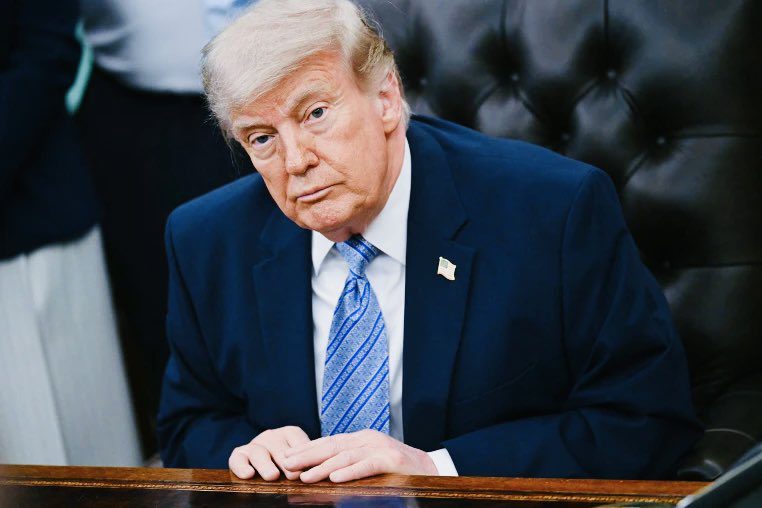
Trump pardons in 11 federal cases have put U.S. environmental law back in the spotlight. Trump pardons are acts of mercy by a president. That means the president wipes out or softens a federal punishment. Most of these cases involved the Clean Air Act, a U.S. law that limits harmful pollution.
Key takeaways
- Donald Trump granted clemency in 11 federal cases, according to the White House and court records.
- Most of the people had been convicted in cases tied to the Clean Air Act.
- A pardon forgives a federal crime, while a commutation cuts a sentence. They are not the same.
- The move matters because it sends a signal about how strongly the government may enforce pollution rules.
What happened in these Trump pardons?
President Donald Trump used his clemency power to help 11 people in federal cases. Clemency is a broad word for official mercy. It can mean a full pardon or a shorter sentence.
Reuters reported that most of the cases involved violations of the Clean Air Act. The Clean Air Act is the main U.S. law for controlling air pollution. It covers things like emissions from factories, engines, and equipment.
The White House did not frame the move as a big policy reset. But the pattern stood out because environmental crimes made up most of the list. That is unusual enough to draw attention from lawyers, regulators, and industry groups.
Trump pardons can erase legal penalties such as fines or the lasting label of a conviction. They do not always erase every other result. For example, civil cases, state charges, or private lawsuits can still exist.
Why were Clean Air Act cases at the center?
The Clean Air Act often sounds dry, but it touches daily life. It helps limit smoke, toxic fumes, and other pollution. Those pollutants can hurt lungs, hearts, and children’s growth.
Many federal air cases focus on cheating devices or false records. That can mean people hid pollution, skipped permits, or tampered with engines. A permit is official permission from the government.
These crimes are not always dramatic on the surface. But they can affect a lot of people at once. One illegal fix on a diesel engine, for example, can cause emissions far above the legal limit.
That is why these Trump pardons matter beyond the 11 people involved. They raise a simple question. Will companies and managers now think pollution crimes carry less risk?
How big is a presidential pardon, really?
The U.S. Constitution gives presidents wide pardon power in federal cases. It does not cover state crimes. So a president can forgive a federal conviction, but not a state one.
A pardon is different from a commutation. A pardon forgives the crime. A commutation lowers or ends the punishment, but the conviction usually stays.
Presidents of both parties have used this power for years. But the choices always send a message. In fact, the message can be as important as the legal result.
Here is a quick look at the numbers in this round of Trump pardons.
Trump pardons: key numbers11 totalMost tied to air law11majority
What does this mean for business and regulation?
Rules work best when people believe penalties are real. If that belief weakens, some firms may push harder at the edges. That does not mean a wave of cheating will start, but enforcement signals do matter.
Environmental law also affects money. Companies spend billions each year on filters, fuel systems, and cleaner processes. Compliance means following the rules. It often costs less than a criminal case, but more than doing nothing in the short run.
That tension is always there. Business groups often say rules can be too costly or too complex. Environmental groups answer that dirty air creates hidden costs, like asthma attacks, missed school days, and hospital bills.
The U.S. Environmental Protection Agency, or EPA, is the main federal regulator in this area. The EPA says the Clean Air Act has produced large health benefits over time. You can read the law itself at the EPA’s Clean Air Act text page.
How does this fit Trump’s wider approach?
Trump has often argued that regulation can slow business and energy production. So these Trump pardons fit a broader political style. He tends to side with defendants and companies that say the government went too far.
That does not automatically change the law. Congress would need to rewrite the Clean Air Act to do that. But presidential choices can change priorities, staffing, and the tone of enforcement.
We have seen that kind of policy signal in other sectors too. For example, debates over tech, trade, and financial rules often turn on how hard the government pushes. You can see that in our coverage of the India US tariff dispute and the stock exchanges RTI ruling.
These Trump pardons do not rewrite the Clean Air Act. But they do tell companies, prosecutors, and voters how this White House views federal environmental crimes.
What numbers help explain the stakes?
Here are three figures worth keeping in mind. First, the clemency action covered 11 people. Second, most of those 11 were linked to Clean Air Act crimes. Third, the Clean Air Act has shaped U.S. air policy for more than 50 years, since 1970.
That long history matters because the law was built after severe pollution crises. Cities once had smog so thick people could see and feel it. Smog is dirty air that hangs like a brown cloud.
| Item | What it shows |
|---|---|
| 11 cases | Total people given clemency in this round |
| Majority | Share tied to Clean Air Act violations |
| 1970 | Year the modern Clean Air Act began |
For readers who follow regulation and corporate accountability, this is the heart of the story. A small number of cases can still carry a large message. That is especially true when the cases cluster around one law.
Why should readers outside the U.S. care?
American legal and political signals often travel far. Big companies work across borders, so U.S. enforcement can shape behavior elsewhere too. If Washington looks softer on pollution crimes, boards and executives around the world notice.
India has its own debates about growth, energy, and rules. That is why this story can feel familiar. We see similar tensions in sectors from manufacturing to autos to heavy industry.
Readers interested in corporate compliance may also want to see how regulators handle other rule disputes. Our pieces on SEBI unpaid securities rules and RBI crypto legalisation warning show how enforcement signals can shape whole markets.
For the official presidential power background, the U.S. Constitution explains clemency in Article II, available through the U.S. Congress Constitution Annotated.
FAQs
What is a pardon?
A pardon is presidential forgiveness for a federal crime. It can remove legal penalties and reduce the damage of a conviction.
Why are Clean Air Act cases important?
They deal with pollution that can harm many people. So even one case can affect public health, trust, and business behavior.
Who can a U.S. president pardon?
A president can pardon people in federal cases, not state cases. The power is broad, but it does not erase every possible lawsuit or consequence.