Key takeaways
- Mumbai red alert is the IMD’s top weather warning for very dangerous rain.
- Mumbai, Thane and Palghar face very heavy to extremely heavy rain this weekend.
- People may see waterlogging, slow trains, traffic jams and local flooding.
- Officials often ask residents to avoid sea fronts and non-essential travel during peak rain.
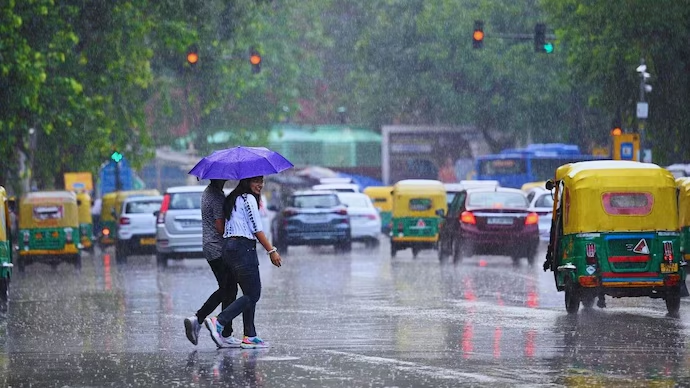
Mumbai red alert is the Indian weather office’s highest warning for severe rain risk. It means very heavy to extremely heavy rain may hit fast and cause trouble. This weekend, the Mumbai red alert covers Mumbai, Thane and Palghar. So people should expect delays, flooding and rough conditions.
The India Meteorological Department, or IMD, issued the warning for the weekend. The IMD is India’s official weather agency. Its alert says some places could get extremely heavy rain, which means more than 204.4 mm in 24 hours. That’s over 20 cm, or about the length of a school ruler.
For families in the Mumbai region, the message is simple. Stay updated, step out only if needed, and keep phones charged. Rain this strong can flood roads in a short time. It can also slow buses and suburban trains, which millions use each day.
What does the Mumbai red alert actually mean?
The Mumbai red alert is not just a forecast. It’s a danger signal. The IMD uses four color codes: green, yellow, orange and red. Red means officials should be ready for action, because serious disruption is likely.
In plain words, this is the weather office saying, “Conditions could turn risky very quickly.” That can include flooded low-lying areas, traffic chaos, fallen branches and poor visibility. Visibility means how far you can see ahead. When rain gets intense, that distance drops fast.
Rain warnings also matter because Mumbai sits by the sea. High tide can block rainwater from draining out quickly. So when strong rain and high tide arrive together, streets can fill up much faster.
Which places are under the Mumbai red alert?
The warning covers Mumbai, Thane and Palghar. These three areas are closely linked by roads, rail lines and daily travel. So a problem in one place can spill into another. That’s why even people outside south Mumbai should pay attention.
Thane and Palghar often see heavy rain bands move through before or along with Mumbai. A rain band is a long stretch of rain clouds. If it stalls over one area, rainfall totals can climb quickly in just a few hours.
Officials may issue local advisories for schools, offices and transport if conditions worsen. Advisories are public notices. They tell people what to avoid and how to stay safe.
How much rain counts as ‘extremely heavy’?
The IMD classifies rain by daily totals. Very heavy rain means 115.6 mm to 204.4 mm in 24 hours. Extremely heavy rain means more than 204.4 mm in 24 hours. Those numbers sound dry on paper, but on city roads they can mean knee-deep water in the worst spots.
| Rain category | 24-hour rainfall | What it can feel like |
|---|---|---|
| Heavy | 64.5 mm to 115.5 mm | Steady, disruptive rain |
| Very heavy | 115.6 mm to 204.4 mm | Major waterlogging risk |
| Extremely heavy | Above 204.4 mm | Flooding risk rises sharply |
Here is a simple look at those numbers:
24-hour rain scale (mm)HeavyVery heavyExtremely64.5115.6204.4+
Numbers like 200 mm in a day matter because Mumbai’s roads, drains and rail lines are under pressure even in normal monsoon spells. Add a few hours of intense rain, and the city can slow down hard. In fact, one bad commute can stretch from 45 minutes to two or three hours.
Why is this weekend rain a big deal for Mumbai?
Weekend rain can still cause major problems because the region never really switches off. Airports, hospitals, delivery workers and local trains keep moving. Many people also go out to markets, malls and sea-facing spots when they think they have more free time.
But the danger is not only the rain falling from the sky. Water can hide open drains, potholes and broken footpaths. Strong wind can also bring down tree branches and hoardings. Hoardings are large roadside boards used for ads.
A clear, quotable takeaway is this:
The Mumbai red alert means the risk is not just getting wet. It means rain may be strong enough to disrupt travel, flood roads and create unsafe conditions in parts of Mumbai, Thane and Palghar.
What should residents do during the Mumbai red alert?
Keep your plan simple. Check the latest IMD update before leaving home. Also watch local alerts from civic bodies, railways and police, because street conditions can change faster than forecasts.
If you must travel, start early and carry basics. Take a charged phone, power bank, drinking water and any daily medicines. Wear shoes with grip, because station stairs and roads get slippery.
Don’t go near the sea to watch rough waves. It may look dramatic, but waves can surge without warning. Families should also move important papers and chargers to higher shelves if their area floods often.
For official forecasts, readers can check the IMD weather portal and local warnings from the India Meteorological Department. These are primary sources. They publish the latest color alerts and district updates.
How does this fit into the wider monsoon picture?
Mumbai often sees bursts of intense rain during the monsoon, especially when moisture-rich winds stay parked over the coast. Moisture-rich means the air holds a lot of water. Once that air rises and cools, it drops rain in large amounts.
The region’s transport and city planning are under constant test during such spells. That’s one reason weather warnings get so much attention. They affect schools, office timing, deliveries and even flight schedules.
This weather story is different from our recent business coverage, but it shows how quickly daily life can change. For example, supply chains also feel the strain during disruptions, much like in our report on the display shortage after memory chip pressure. And fast-moving local services can face stress, as seen in our piece on the quick commerce market in India.
Heavy rain can even affect city operations tied to tech and logistics. That’s why broader infrastructure stories matter too, including our coverage of Amazon data centres in Mumbai and the wider India real estate investment jump.
FAQs
What is a red alert in weather?
A red alert is the highest warning level from the IMD. It means dangerous weather is likely and people should act carefully.
How much rain is extremely heavy rain?
The IMD says extremely heavy rain is more than 204.4 mm in 24 hours. That is over 20 cm in one day.
Why does Mumbai flood so quickly?
Mumbai can flood fast because intense rain, high tide and crowded roads hit together. Low-lying areas and blocked drains make the problem worse.
When should people avoid travel during the Mumbai red alert?
Avoid non-essential travel during peak rain hours or local flooding alerts. If officials warn about sea fronts or waterlogged routes, don’t go there.