Key takeaways
- The Rayalaseema steel project has finally started construction in Andhra Pradesh after about 20 years of delay.
- The project cost is pegged at ₹16,350 crore, which is a very large industrial investment.
- Leaders say the plant will make low-carbon steel. That means steel made with fewer planet-warming emissions.
- The site is in the Rayalaseema region, and the project could bring jobs, roads, and supplier businesses.
- Big projects like this often take years, so the real test now is how fast construction moves.
What is the Rayalaseema steel project?
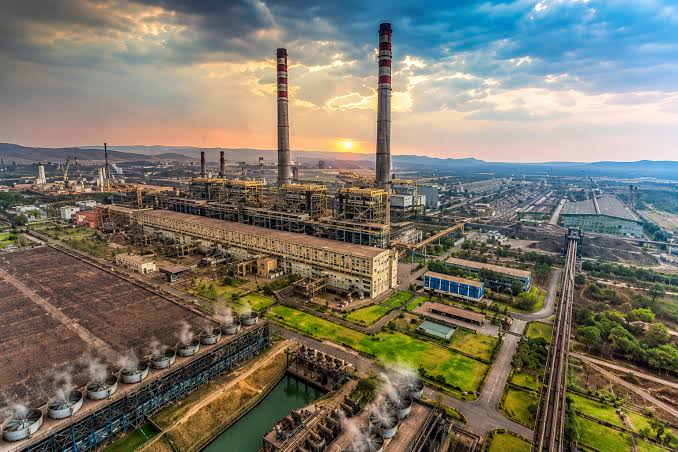
The Rayalaseema steel project is a new steel plant being built in Andhra Pradesh. A steel plant is a factory that turns raw materials into steel. After nearly two decades of waiting, construction has now begun on the ₹16,350 crore project.
That matters because this is one of the region’s biggest industrial plans. It also matters because leaders are pitching it as a low-carbon project. Low-carbon means it aims to release less carbon dioxide, a gas that warms the Earth.
Andhra Pradesh Chief Minister N. Chandrababu Naidu marked the start of work, while JSW Steel is tied to the project plan. The move brings an old promise back to life. For many families in Rayalaseema, that promise has been hanging in the air for years.
Why did it take so long?
Big factories are hard to build, but a 20-year delay is still striking. Land, permits, funding, and policy shifts can all slow a project. A permit is official government approval to do something.
Politics can also change the pace. One government may back a project, then another may review it again. As a result, plans that look simple on paper can sit still for years.
That long pause is part of why this moment stands out. People in the region have heard about a steel plant before. Now they can finally see actual construction begin.
Why is low-carbon steel a big deal?
The Rayalaseema steel project is being described as a low-carbon steel plant. Steel usually creates a lot of emissions during production. Emissions are gases released into the air.
So a lower-emission steel plant could matter far beyond one district. Around the world, steel makers face pressure to clean up because steel is used in cars, bridges, rail lines, and buildings. If they cut pollution, many other industries can shrink their climate impact too.
India is pushing to grow manufacturing while also reducing emissions intensity. Emissions intensity means how much pollution is created for each unit of output. That is why projects like this can draw extra attention from investors and governments.
For a broader look at how industry and energy are changing, see our report on nuclear startups and the new race for power. You can also read how South Korea’s chips and AI plan ties industry growth to future technology needs.
How big is the investment?
The number attached to the Rayalaseema steel project is ₹16,350 crore. That is ₹163.5 billion. If you imagine ₹1 crore as one large block, this project stacks up 16,350 of those blocks.
Here are the headline figures in simple form.
| Item | Figure |
|---|---|
| Project name | Rayalaseema steel project |
| Estimated cost | ₹16,350 crore |
| Delay before start | About 20 years |
| Location | Andhra Pradesh |
| Focus | Low-carbon steel |
One figure alone does not tell the whole story, but it shows scale. Projects worth over ₹10,000 crore can reshape a local economy. They usually pull in construction workers, transport firms, machine suppliers, and service businesses too.
Rayalaseema steel project: key numbers₹16,350 cr20 yearsCostDelay
What could it mean for jobs and the local economy?
People usually ask one simple question first: will this create jobs? The short answer is yes, but not all at once. Construction itself needs workers first, and then the plant needs staff to run machines, manage safety, and move materials.
The Rayalaseema steel project could also help smaller businesses nearby. For example, food stalls, truck operators, repair shops, and housing rentals often grow around large industrial sites. That ripple effect is why states compete so hard to attract factories.
Still, big promises need time. A project may announce thousands of jobs, but hiring usually comes in stages. Some roles need special training, so local skill programs will matter a lot.
We have seen similar investor interest in other sectors too. Read our coverage of the jump in India real estate investment and the Coca-Cola India IPO talks to see how large capital moves can change local business activity.
What happens next for the Rayalaseema steel project?
Now the hard part begins. Starting construction is important, but finishing on time is even more important. Large plants often move through phases, which means one part gets built before the next.
Watch for a few clear signs. Are roads, power links, and water systems moving ahead? Are machines being ordered? Is the company sharing timelines for when production will begin?
The Rayalaseema steel project will also be judged on whether it stays true to its low-carbon goal. That could include cleaner power use, smarter furnace systems, or better energy efficiency. Energy efficiency means doing the same work with less power.
For official statements on industrial policy and state updates, readers can check the Andhra Pradesh government portal. Company-level information may also appear through JSW Steel’s official site.
Why this start matters beyond one factory
Here’s the clearest way to see it: the Rayalaseema steel project is not just about one plant. It is a test of whether old, delayed industrial promises can finally turn into real work, real output, and real local gains.
It also shows how India is trying to build more while polluting less. That balance is hard. But if a ₹16,350 crore plant can create jobs and cut emissions compared with older models, other states will pay close attention.
For now, the biggest change is simple and visible. After 20 years of talk, people in Rayalaseema finally have construction on the ground.
FAQs
What is the Rayalaseema steel project?
The Rayalaseema steel project is a new low-carbon steel plant being built in Andhra Pradesh. It is planned as a major industrial investment worth ₹16,350 crore.
Why was the Rayalaseema steel project delayed?
Large projects can be delayed by land issues, permits, money, and policy changes. In this case, the wait stretched to about 20 years before construction finally began.
How can the project help the region?
It can create construction jobs, factory jobs, and work for local suppliers. It may also improve nearby business activity, transport demand, and supporting infrastructure.
Get the day’s top stories in your inbox
One concise email. No spam, unsubscribe anytime.