Key takeaways
- The Chennai water loan is a $230 million loan from the Asian Development Bank.
- It aims to improve water supply and sewage systems across Chennai.
- The project should help millions of residents get safer and more reliable basic services.
- It also focuses on modern systems, better treatment, and stronger city management.
The Chennai water loan is a $230 million funding package for the city’s water and sanitation network. It means Chennai will get help to upgrade pipes, pumping, and sewage systems. The money comes from the Asian Development Bank, or ADB. A loan is borrowed money that must be paid back over time.
That matters because water and sewage systems are easy to ignore until they fail. Then taps run weak, drains clog, and dirty water can spread disease. Chennai has grown fast, so old systems are under pressure. This new plan tries to fix that before the problems grow worse.
What exactly is in the Chennai water loan?
ADB said it approved a Chennai water loan worth $230 million. At an exchange rate near Rs 83 to a dollar, that is roughly Rs 19,000 crore? No. A quick check matters here. At that rate, $230 million is about Rs 1,900 crore, not Rs 19,000 crore.
The money will support work to modernise water supply and sanitation in Chennai. Sanitation means systems that carry away and treat waste water safely. That includes sewage pipes, pumping stations, and treatment plants. Treatment plants clean dirty water before it is released or reused.
The project is tied to city services run in Tamil Nadu’s capital. Chennai is one of India’s biggest cities, with a population above 7 million in the urban area. A city that large needs huge hidden networks underground. If even a small part fails, many homes can feel it fast.
According to ADB, the project will improve service quality, system efficiency, and long-term management. Efficiency means doing the job with less waste. In water systems, that can mean fewer leaks, smarter pumping, and better use of treatment capacity.
Why does Chennai need this now?
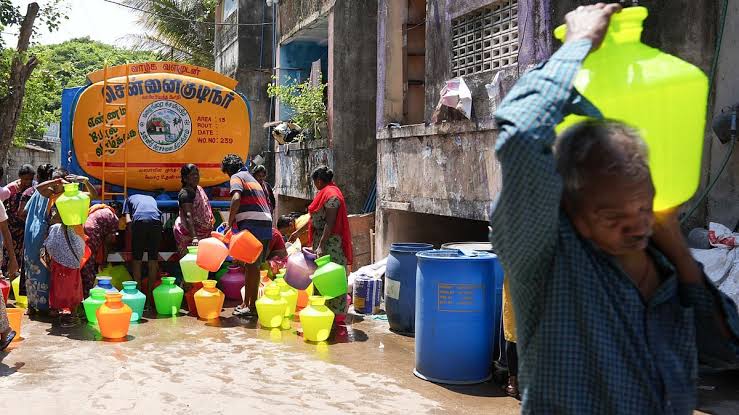
Chennai knows water stress better than most big cities. Water stress means demand is high but supply is limited. Some years bring flood headlines. Other years bring tanker lines and dry taps. That swing makes planning hard, because the city faces too much water and too little water at different times.
Meanwhile, old pipes and overloaded drains make daily life tougher. Leaks can waste treated water before it reaches homes. Poor sewage handling can pollute local water bodies. So even when the city gets rain, it still needs strong systems to store, move, and clean water well.
Basic services shape health, school time, and work time. If families must wait for water, kids lose study hours. If drains overflow, shops can shut early. That’s why projects like the Chennai water loan are not just about pipes. They are about time, safety, and dignity.
How big is the money, in simple numbers?
Here are the headline figures in plain view. The approved amount is $230 million. Using roughly Rs 83 per dollar, that is about Rs 1,909 crore. One crore is 10 million rupees.
Chennai water loan: key numbers$230 million~Rs 1,909 croreIllustrative rupee conversion at ~Rs 83/$
A single figure does not tell the full story, but it helps. Think of Rs 1,909 crore as money for the hidden machinery of a city. People may not see the pipes below roads. But they notice very fast when those pipes stop working.
| Item | Figure | What it means |
|---|---|---|
| ADB loan | $230 million | Money approved for upgrades |
| Approx rupee value | Rs 1,909 crore | Estimated at ~Rs 83 per dollar |
| Focus | Water and sanitation | Supply, sewage, treatment, management |
What could change for residents?
If the work is done well, people should get more reliable water service. Reliable means it arrives more regularly and with fewer disruptions. Some areas could also see better sewage collection and treatment. That lowers the risk of dirty water mixing with daily life.
The biggest gains may be the least visible. Better pressure control can reduce pipe bursts. Stronger monitoring can catch leaks early. Smarter treatment can help the city use water resources better, which matters a lot during dry months.
In plain terms, the Chennai water loan is meant to help the city waste less water and manage sewage more safely. That is the core point. It is a city repair job on a giant scale, and city repair jobs often matter more than flashy new buildings.
Who is ADB, and why is it lending this money?
ADB is the Asian Development Bank. It is a multilateral lender, which means many member countries back it. It lends money for big public projects in Asia. These often include roads, power, schools, flood control, and water systems.
ADB supports projects like this because urban services affect growth and public health. A city cannot run well if water systems break often. Factories, schools, hospitals, and homes all depend on the same basic network. So the Chennai water loan fits ADB’s usual work.
You can read ADB’s project information on its official website. Chennai water and sewer services are handled by the Chennai Metropolitan Water Supply and Sewerage Board, often called Metro Water.
How does this fit India’s bigger infrastructure push?
India is spending heavily on infrastructure, which means the systems that keep life moving. Roads get the attention, but water networks matter just as much. Cities that grow fast must upgrade hidden basics too. Otherwise, growth starts to choke on its own weight.
We have seen similar pressure in other sectors. For example, our report on India’s quick commerce market shows how fast cities are changing. Our story on India real estate investment also points to rising urban demand. More homes and offices mean more daily pressure on pipes, drains, and treatment plants.
There is also a policy angle here. Governments often borrow for projects that take years to build but serve people for decades. That is different from day-to-day spending. In that sense, the Chennai water loan is about building long-life public assets.
A clear way to say it is this:
The Chennai water loan is a long-term bet on safer taps, cleaner sewage handling, and a city that can cope better with growth and water stress.
What should readers watch next?
Approval is the start, not the finish. The real test is how fast projects move from paper to streets and pumping stations. Big urban works often face delays because roads must be dug, traffic must be managed, and agencies must coordinate well.
Readers should watch for tender awards, work timelines, and area-wise project details. A tender is an official bid process for contracts. They should also watch whether service levels improve in a measurable way, such as fewer outages or better sewage coverage.
One more thing matters: maintenance. New assets help, but only if the city keeps them running. That means trained staff, regular repairs, and clear data. Without that, even a large Chennai water loan can lose impact over time.
For related policy and regulation themes, you can also read our coverage of the stock exchanges RTI ruling and the SEBI unpaid securities rules. Those stories are different, but they show how public systems work best when rules and execution are both strong.
FAQs
What is the Chennai water loan?
It is a $230 million ADB loan to improve Chennai’s water supply and sanitation systems.
Who will benefit from the Chennai water loan?
People living in Chennai should benefit through more reliable water service and better sewage handling.
Why is sanitation part of the project?
Because safe sewage systems protect health, reduce pollution, and help cities use water better.