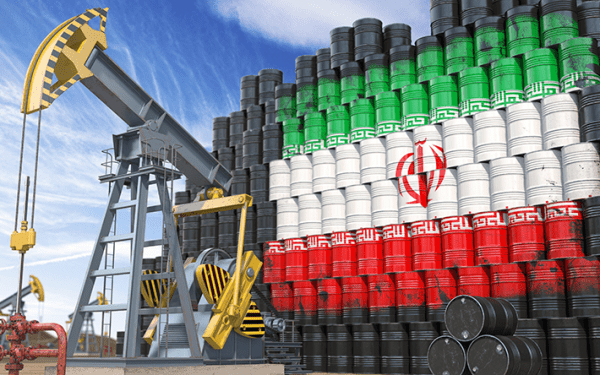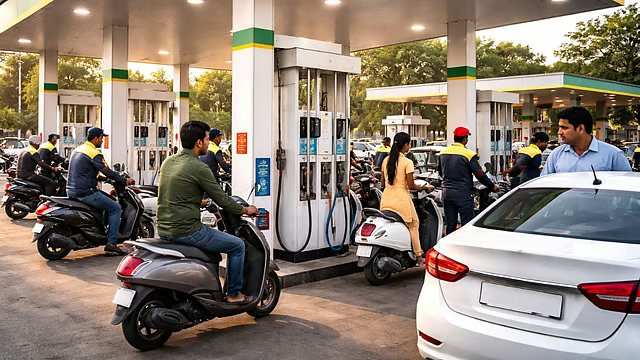
Motorists hoping for immediate relief at the fuel pumps are out of luck. Despite global crude oil prices finally showing signs of cooling off, the Central Government has signaled that retail petrol and diesel prices inside India will not be slashed anytime soon.
Following the West Asia crisis that erupted earlier this year, structural trade logjams and a staggering financial deficit have locked current fuel rates in place.
1. The Operational Reality: Normalizing the Supply Pipeline
The primary reason retail fuel costs are staying high is a significant logistical delay in moving newly discounted global oil.
While international crude has fallen off its war-time peaks, the actual transit of cheaper supply remains severely bottlenecked:
- The Strait of Hormuz Logjam: Minister of State for Petroleum and Natural Gas Suresh Gopi clarified that while global oil rates are dipping, cheaper crude must pass through intense shipping traffic around the Strait of Hormuz. Because maritime logistics are still normalizing following recent regional conflicts, it will take weeks for lower-cost barrels to physically reach Indian refineries.
- The OMC Buffer Zone: State-run Oil Marketing Companies (OMCs) like IOCL, BPCL, and HPCL are still actively operating under deep marketing losses. Even after aggressive mid-year price hikes, analysts estimate that OMCs are losing roughly ₹5.50 per litre on petrol and ₹4.50 per litre on diesel to keep domestic retail prices stable relative to previous international spikes.
  [ International Crude Falls ] ──► Logged in Transit / Hormuz Bottleneck ──► Weeks of Shipping Delays
                                                                                   │
                                                                                   ▼
  [ Retail Price Stagnation ]   ◄── OMCs Need to Recover ₹12,000Cr Loss   ◄── Cheaper Propellant Has Not Arrived
2. A ₹12,000 Crore Hole in the Treasury
The government’s reluctance to roll back fuel rates is heavily tied to its own fiscal damage control.
When the West Asia conflict broke out in early 2026, the central government absorbed a massive portion of the initial price shock to insulate local consumers from hyper-inflation. However, that insulation came with a steep corporate price tag:
- The Squeezed Center: The Ministry of Petroleum confirmed that absorbing the international price surge cost the central government a massive ₹12,000 crore in absorbed financial deficits.
- The Excise Shield: While the Centre is maintaining strict export levies on outbound petrol and diesel to protect domestic inventory layers, there is currently zero plan to scale back the existing basic excise duties for domestic retail consumers until the state-run oil companies fully recover their balance sheets.
3. Current Metro Fuel Layout
With the state-level Value Added Tax (VAT) and the unchanged central excise framework locked in, pump prices across major Indian cities remain stagnant at their mid-year ceilings:
| Major Metro Center | Retail Petrol Price (per Litre) | Retail Diesel Price (per Litre) |
| New Delhi | ₹102.12 | ₹95.20 |
| Mumbai | ₹111.21 | ₹97.83 |
| Bengaluru | ₹111.68 | ₹99.56 |
| Kolkata | ₹113.51 | ₹99.82 |
| Chennai | ₹107.76 | ₹99.55 |