📚 New to this topic? Read our full guide: US Federal Reserve & India.
Trump Administration Bars Polestar From Selling Its New EVs in the US
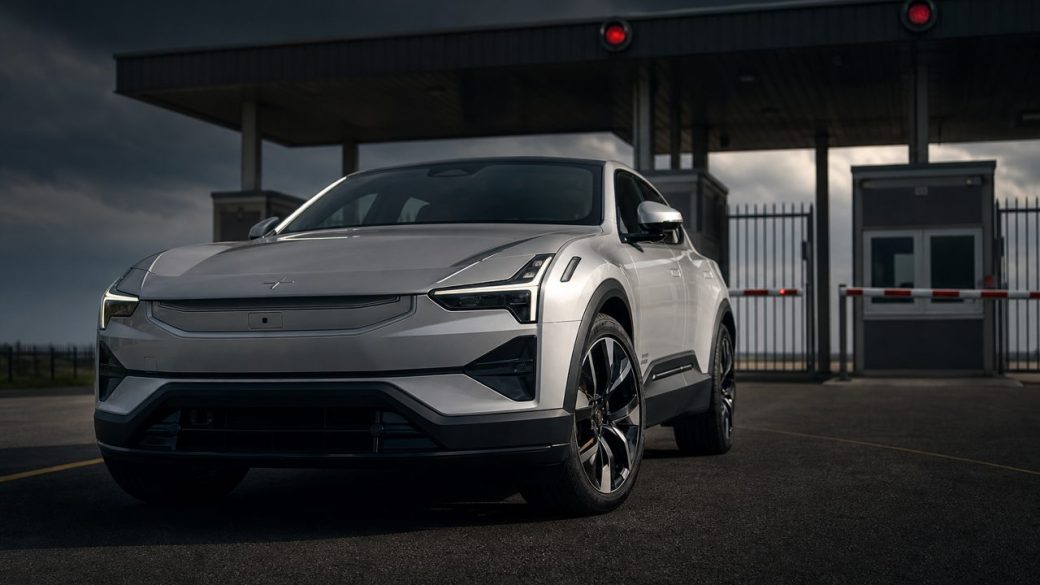
The Trump administration has barred Polestar from selling its newest electric vehicles (EVs) in the United States. An electric vehicle is a car that runs on a battery instead of petrol or diesel. On June 25, 2026, the US Department of Commerce refused to clear Polestar’s new models under a rule that blocks cars carrying Chinese software or hardware. The decision is a big setback for the Swedish EV brand, which is owned by Chinese auto giant Geely.
What was banned?
The ban hits two cars: the Polestar 3 and the Polestar 4. The company can no longer sell these new models in the US market. However, vehicles already sitting in showrooms can still be sold off. So the rule blocks fresh sales, not the existing stock.
Why did the US block it?
The decision comes under what is called the “Connected Vehicle Rule.” A connected vehicle is a car that links to the internet and shares data, much like a smartphone on wheels. The rule restricts cars that contain Chinese-made software or hardware from entering the US market. The worry is about data and security risks tied to Chinese technology.
The US Department of Commerce, the government body handling this, simply declined to give Polestar the green light. Polestar is owned by Geely, a major Chinese carmaker, which is why it falls under the rule’s scope.
The odd part: Volvo got cleared
Here is the twist. Volvo, which is also owned by Geely, received approval just months earlier. So two sister brands under the same Chinese parent were treated very differently. This gap has raised questions about how evenly the Connected Vehicle Rule is being applied.
Key facts
| Item | Detail (as reported) |
|---|---|
| Models barred | Polestar 3 and Polestar 4 (new sales) |
| Existing inventory | Can still be sold |
| Decision date | June 25, 2026 |
| Rule used | Connected Vehicle Rule |
| Regulator | US Department of Commerce |
| Polestar owner | Geely (China) |
| Sister brand cleared | Volvo (also Geely-owned) |
| US share of sales | Only ~6% (94% of Q1 2026 sales came from outside the US) |
How is Polestar reacting?
Polestar pointed out that the US is a small slice of its business. The company said 94% of its retail sales in the first three months of 2026 came from markets outside the US. In other words, only about 6% came from America.
The brand said it will keep supporting existing US customers, including its service network for repairs and maintenance. It also said it will sharpen its focus on Europe, where it sells most of its cars anyway.
Why it matters (especially for India and founders)
This move shows how trade and technology are now deeply mixed with politics. The US is using security rules to keep Chinese-linked products out, even when the brand is European on the surface. For any company that builds connected hardware, it is a warning: where your software and parts come from can decide whether you are allowed to sell at all.
For Indian founders and EV makers, there is a lesson and an opening. The lesson is that supply chains and data handling now matter as much as the product itself. The opening is that as the US shuts the door on some Chinese-linked players, room may open for trusted partners. India’s own trade and tech ties with the US are a live issue, which we cover in our reports on India-US trade talks and the US government’s tighter grip on advanced technology.
FAQ
Can you still buy a Polestar in the US?
You can still buy existing inventory already in the US. But new Polestar 3 and Polestar 4 models cannot be brought in for sale.
Why was Polestar singled out and not Volvo?
Both are owned by Geely, but Volvo got cleared months earlier while Polestar was denied. The uneven treatment has drawn questions about how the rule is enforced.
What is the Connected Vehicle Rule?
It is a US rule that restricts cars containing Chinese software or hardware, citing data and security concerns.
The bottom line
Polestar loses access to the US market for its newest EVs, but the blow is softened by how little it relies on America. The bigger story is the message: in today’s world, the origin of a car’s tech can matter more than its badge. Expect more companies to face the same test.
Source: TechCrunch.