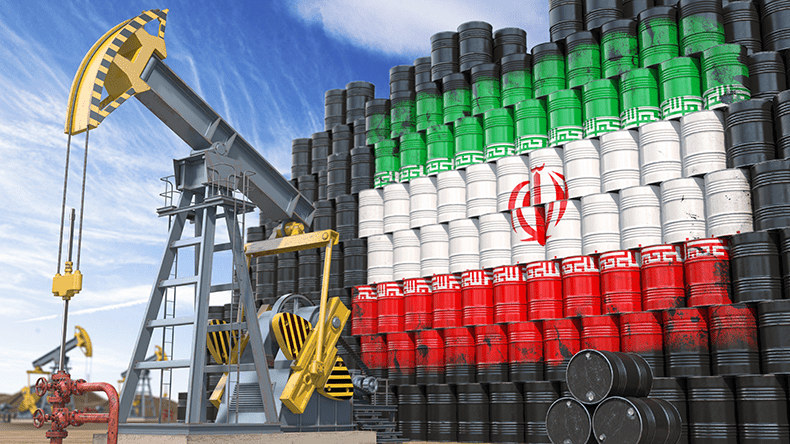
Following the United States’ surprise decision to grant a temporary 60-day sanctions waiver on Iranian petroleum products, the National Iranian Oil Co. (NIOC) and its intermediaries have aggressively approached Indian refiners, offering direct crude discounts of $3 to $4 per barrel below similar regional grades on a landed basis.
The sudden discount strategy is aimed at rapidly offloading millions of barrels of crude currently stuck at sea as Tehran races to lock in buyers before the narrow U.S. waiver window slams shut.
1. The Geopolitical Catalyst: A 60-Day Window
The return of official Iranian crude offers follows a massive diplomatic breakthrough in Switzerland. On Monday, June 22, 2026, the U.S. Treasury Department issued a general license authorizing the production, delivery, and sale of Iranian oil through August 21, 2026, alongside a commitment to pause its naval blockade of Iranian ports.
For Iran, the waiver is a vital opportunity to diversify its customer base. For the last several years, strict Western sanctions had forced Tehran to sell almost exclusively to independent “teapot” refineries in China via clandestine dark-fleet tankers.
 [ U.S.-Iran Swiss Accord ] ──► 60-Day Sanctions Waiver (Expires Aug 21, 2026)
                                               │
                                               ▼
 [ The Commercial Rush ]     ──► Iran Offers $3–$4 Discount to Indian Refiners
                             ──► Aims to Liquefy 68 Million Barrels of Floating Storage
2. Why the Discount Matters to India
India is the world’s third-largest oil consumer, importing over 85% of its crude requirements. The proximity of Iran to India’s western coastline offers major logistical and economic advantages:
- Rapid Transit Timelines: Certain Iranian crude cargoes can be delivered to Indian ports in just two to three days (compared to 40+ days for Western or transatlantic shipments). This tight logistical window is crucial for executing trades fully before the August 21 deadline.
- The Floating Supply: Ship-tracking data indicates that roughly 68 million barrels of Iranian crude and condensate are currently sitting on tankers floating at sea without confirmed destinations. The $4 discount is designed to get Indian state-run refiners to immediately absorb these nearby barrels.
3. The Skepticism: Why Indian Refiners Are Hesitant
Despite the attractive pricing, Indian refiners are treading incredibly cautiously. Energy compliance departments, rather than trading desks, are dictating the response:
| Structural Hurdle | The Operational Reality for Indian Refiners |
| Contractual Lock-ins | Most Indian refiners have already locked in their supply quotas through August 2026. Middle Eastern term suppliers (like Saudi Arabia and the UAE) are pressing buyers to honor their annual contract minimums. |
| The Financial Blind Spot | While the U.S. waiver permits dollar-denominated funds for the physical oil, Iranian banks remain heavily sanctioned. Resolving letters of credit, maritime insurance coverage, and clear clearing channels within a tight 60-day window presents an immense legal headache. |
| The “Cliff-Edge” Risk | Refiners are deeply skeptical about modifying their complex refinery blends for a grade of oil that might become completely illegal to purchase again in less than two months if U.S. political headwinds shift. |
The aggressive discount push has already succeeded in cooling down global energy anxieties. Buoyed by the return of Iranian supply and a concurrent production ramp-up from Saudi Arabia’s Ras Tanura terminal, global Brent crude prices tumbled nearly 4% down to roughly $77 a barrel, easing macro inflationary pressures on the Indian economy even as domestic refiners weigh the steep compliance risks of taking Tehran up on its offer.