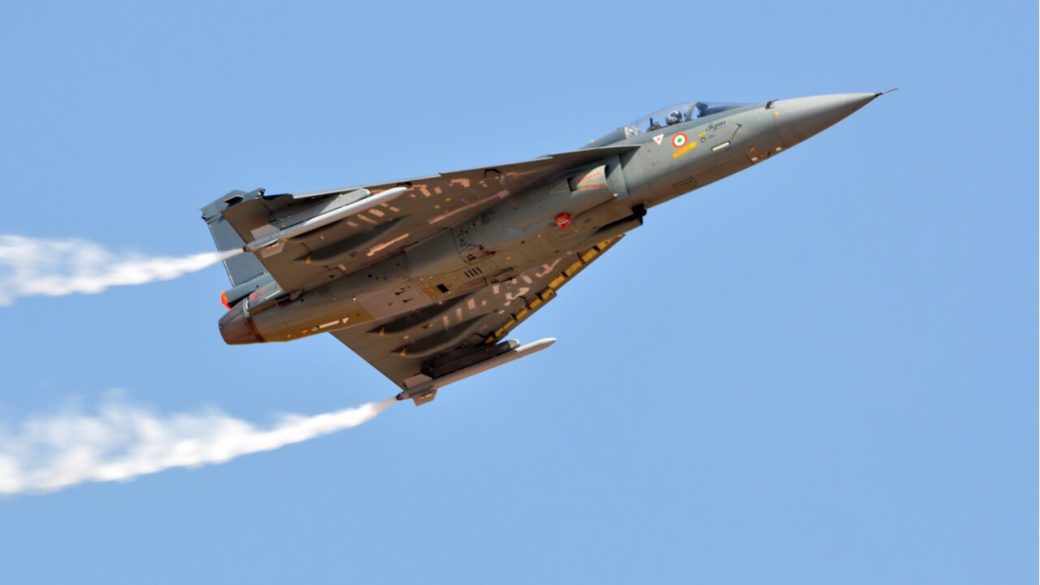
The marquee India-US defense megadeal has run into severe turbulence. Ongoing commercial negotiations with US defense major General Electric (GE) over the F414 fighter jet engines have hit a massive roadblock due to an unexpected, nearly threefold (3X) price escalation.
The per-unit price of the engine has climbed from an initial estimate of ₹70–₹80 crore ($7.5–$8.5 million) to well over ₹200 crore ($21–$24 million) during commercial finalization. This unexpected spike has forced Indian defense agencies, including the DRDO, to urgently re-examine alternative global options.
1. Why Have the Costs Tripled?
The F414 deal was highly celebrated during Prime Minister Narendra Modi’s 2023 state visit to Washington, primarily because GE Aerospace agreed to an unprecedented 80% Transfer of Technology (ToT) to Hindustan Aeronautics Limited (HAL) for domestic production.
However, translating that political agreement into commercial reality has exposed massive hidden infrastructural costs:
- The $800 Million Facility Mandate: To execute the 80% ToT locally, GE has proposed setting up a dedicated, hyper-advanced F414 assembly, manufacturing, and testing line inside India. However, GE is demanding an initial investment exceeding $800 million (nearly ₹6,000 crore) from India just to build out this specialized facility.
- The Global Aviation Premium: The escalation hits right in the middle of a broader, global aviation cost crisis. Due to intense post-pandemic aerospace supply chain contractions, the market prices of critical raw materials like Titanium (up 40%) and Nickel superalloys (up 35%) have surged, drastically driving up the baseline manufacturing costs for cutting-edge military hardware.
                      [ GE F414 Engine Commercial Standoff ]
                                        │
           ┌────────────────────────────┴────────────────────────────┐
           ▼                                                         ▼
[ The Original Outlook ]                                  [ The June 2026 Reality ]
 ├─ Per Engine: ₹70–₹80 Crore                              ├─ Per Engine: ₹200+ Crore ($21M+)
 └─ Core Scope: 80% Tech Transfer to HAL                   └─ Added Baggage: ₹6,000Cr local factory bill
2. The Dominant Strategic Leverage
Defense experts note that GE holds immense structural leverage in these negotiations because India’s next-generation air superiority pipeline has already been locked in around the F414’s physical layout:
- Tejas Mk-2: Designed completely as a single-engine delta wing around the F414.
- AMCA Mk-1 (Fifth-Gen Stealth): The design blueprints for India’s upcoming stealth fighter have already been frozen. It utilizes a twin-engine configuration requiring two F414 units per aircraft.
Because changing engines at this late stage isn’t like swapping out a standard component—it requires fundamentally redesigning the airframe, rewriting flight control software, and restarting years of complex testing—GE is using India’s platform dependency to push aggressively high pricing parameters.
3. DRDO Scrambles for “Plan B” Alternatives
With the F414 deal in limbo, the Indian Ministry of Defence has quietly restarted exploratory talks with rival European engine houses to safeguard its long-term aerospace self-reliance:
| Alternative Contender | Engine Platform | Stated Position & Technology Pitch |
| Safran (France) | M88 Variant / New 110kN | Offering 100% unrestricted Transfer of Technology and co-development of a brand-new engine core with zero export control strings. |
| Rolls-Royce (UK) | Eurojet EJ200 Variant | Pitching joint intellectual property (IP) creation, allowing India complete freedom to modify or export the engine to third countries. |
| Kaveri Engine (India) | Dry Kaveri | Being accelerated internally for unmanned combat aircraft (UCAVs) to reduce long-term dependence on foreign tech. |
While the prototype phase for the AMCA (which requires about 15 engines for testing) can still proceed using a handful of off-the-shelf engines, the massive price hike leaves India with a tough strategic choice: absorb the heavy ₹200 crore per-unit cost to keep its immediate fighter timelines intact, or delay its indigenous aircraft programs to co-develop a cleaner, alternative European engine stack.