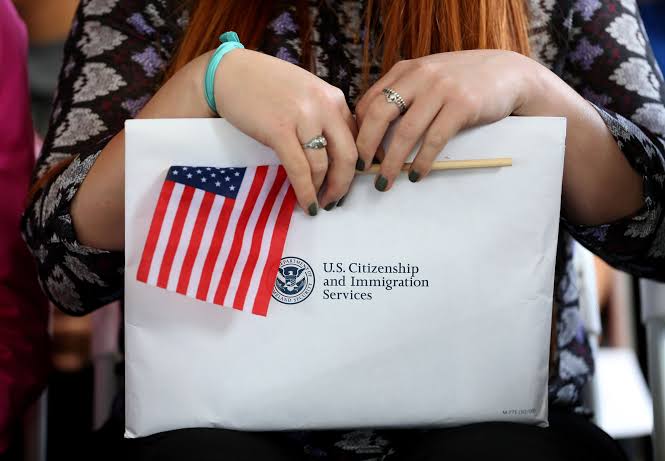
The Trump administration has officially unveiled a sweeping proposal through U.S. Citizenship and Immigration Services (USCIS) that would dramatically increase the cost of applying for U.S. citizenship by 75% to 80%.
The Department of Homeland Security (DHS) published the Notice of Proposed Rulemaking, framing it as a shift toward a “beneficiary-pays” funding model where applicants bear the absolute, un-subsidized cost of their vetting and processing.
1. The Cost Breakdown: Paper vs. Online
The proposed regulation targets Form N-400 (Application for Naturalization) and Form N-336 (Request for a Hearing on a Decision in Naturalization Proceedings). If finalized, it will spike the baseline fees as follows:
| Application Form | Submission Type | Current Fee | Proposed Fee | Percentage Increase |
| Form N-400 (Citizenship) | Paper Filing | $760 | $1,330 | +75% |
| Form N-400 (Citizenship) | Online Filing | $710 | $1,280 | +80% |
| Form N-336 (Denial Appeal) | Paper Filing | $830 | $1,475 | +78% |
| Form N-336 (Denial Appeal) | Online Filing | $780 | $1,425 | +83% |
2. Stripping Down Affordability Measures
Beyond the steep price hikes to the standard forms, the proposal strikes down critical affordability mechanisms that historically opened naturalization pathways to low-income legal permanent residents (green card holders):
- Complete Elimination of Fee Waivers: The rule proposes to completely drop all income-based, public-benefit, or financial-hardship fee waivers for both the N-400 and N-336 forms.
- Removal of the Reduced Fee Option: Currently, lower-income applicants whose household income sits at or below 400% of the Federal Poverty Guidelines can opt for a reduced paper-filing fee of $380. Under the new guidelines, this option is entirely eliminated, forcing those applicants to pay the full $1,330 sticker price.
- The Sole Exemption: Active-duty and former U.S. military service members remain exempt from these fee requirements by law and would face no changes under the proposal.
3. The Rationale: Deep Vetting & Self-Funding
Unlike the majority of federal operations, USCIS relies almost entirely on user application fees to cover its multi-billion dollar operating budget. DHS states that the current pricing model faces a structural deficit exceeding $600 million annually for naturalization processing alone.
The administration argues the increases are non-negotiable to cover the rising operational costs of enhanced screening, security checks, and stricter eligibility vetting mandated under President Trump’s second-term immigration framework. This includes newly revived protocols like “neighborhood checks” (where investigators interview an applicant’s coworkers and neighbors) and intensive “good moral character” probes.
“Although DHS has historically limited the fees… to fulfill previous administrations’ priorities of encouraging naturalization, DHS no longer believes naturalization benefit requests should get lower fees at the potential expense of other immigration benefits.”
— DHS Regulatory Proposal Statement
4. What Happens Next?
The proposed fee structure is not yet in effect. Following standard federal rulemaking procedures, a 60-day public comment period has opened. This window allows advocacy groups, stakeholders, and members of the public to submit formal arguments for or against the changes.
Once the 60 days lapse, the administration must review the feedback and decide whether to alter, delay, or finalize the rule in the Federal Register. Legal experts predict that if the administration pushes forward with a final implementation date later this year, immigration and civil rights coalitions will immediately mount structural challenges against the fee hikes in federal court.