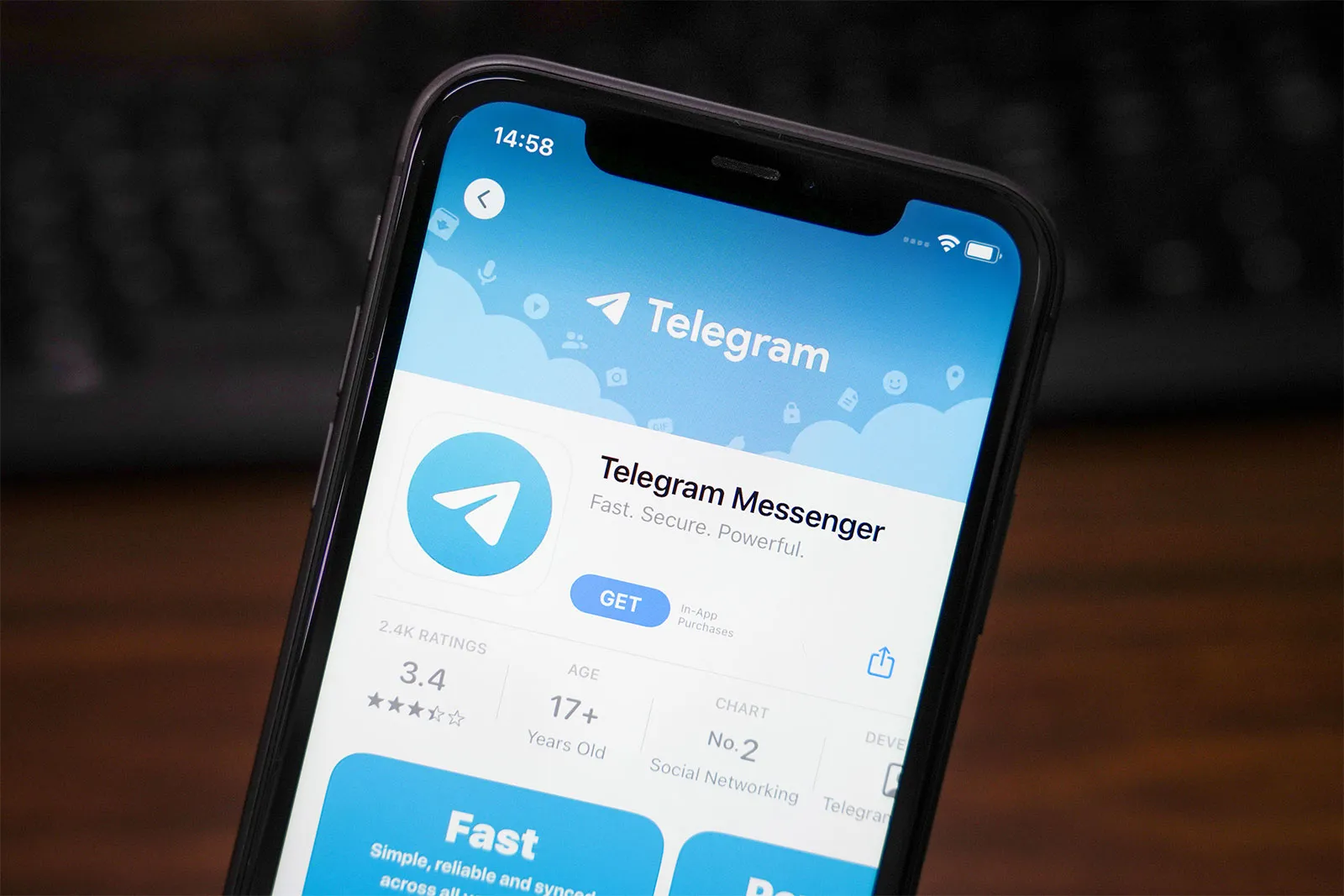
Instant messaging platform Telegram has officially been restored in India, ending a week-long nationwide block. The application has reappeared for downloads on Google’s Play Store, and services have steadily normalized for its estimated 150 million domestic users after the temporary government restriction expired at midnight.
While basic messaging and file sharing are fully active, the restoration comes with a major, unprecedented catch mandated by the central government.
1. Why Was Telegram Suspended?
The Ministry of Electronics and Information Technology (MeitY) initially slapped a blanket block on the platform under Section 69A of the IT Act, acting on an emergency request by the National Testing Agency (NTA).
- The NEET Crackdown: The suspension was an emergency precautionary measure designed to prevent organized cheating syndicates and paper-leak rackets from disrupting the high-stakes NEET-UG 2026 medical entrance re-examination, which concluded over the weekend.
- The Dissemination Moat: Authorities targeted Telegram because its massive public channels, automated bots, and high anonymity thresholds made it incredibly easy for bad actors to rapidly circulate fake leaked question papers and defraud students. Telegram challenged the block, but the Delhi High Court upheld the government’s temporary restriction as a lawful and proportionate step to safeguard the integrity of national exams.
2. The Catch: Message Editing Banned Until June 30
While you can send messages normally again, you will notice you cannot alter them. Under strict orders from the Centre, Telegram has been forced to completely disable its message-editing feature across India until June 30, 2026.
[June 16–22] ──► Blanket Telegram block enforced during NEET-UG re-exam window
[June 23]     ──► Messaging services fully restored; app returns to Play Store
[June 23–30]  ──► Message-editing feature strictly disabled nationwide by govt order
Why the editing ban? Investigators discovered that cheating syndicates were abusing the feature to manufacture fake proof of paper leaks. Rackets would post completely harmless, generic text messages before an exam took place. Once the exam concluded and the real question paper became public, admins would retroactively edit those old posts, replacing the text or attachments with the real questions while retaining the original, pre-exam timestamp. They would then screenshot these “pre-dated” posts to trick students into believing the paper had leaked hours in advance. Disabling the editing tool eliminates this structural loophole.
3. App Store Discrepancies
The rollout of the restoration saw a slight technical lag depending on your mobile operating system:
- Android Users: Google moved rapidly, reinstating Telegram to the Google Play Store early Tuesday morning, making updates and new downloads immediately available.
- iOS Users: The app experienced a longer bureaucratic delay on Apple’s App Store, remaining delisted for several hours into the day, though existing iPhone users were still able to access the network as telecom operators lifted their backend blocks.
4. Ceasefire in the Tech Spat
The lifting of the ban also cools down a highly public, explosive row between Telegram’s leadership and local telecom giants.
When the restrictions initially hit, Telegram founder Pavel Durov publicly criticized the Indian IT Ministry, going as far as to allege that local telecom provider Reliance Jio had engaged in border gateway protocol (BGP) hijacking to aggressively block their traffic. Durov even insinuated that Meta (which owns WhatsApp and holds a partial stake in Jio) had lobbied for the ban to choke out a competitor. Reliance Jio strongly rejected those claims, stating its network routing operated strictly within international protocol standards. With the block officially lapsed and the re-exams passing without any reported leaks, the focus shifts back to normal operations—just with a little less editing power for the rest of the week.