📚 New to this topic? Read our full guide: Generative AI Explained.
UPSC Uses AI Face Checks for the First Time: 569 Candidates Blocked Before Prelims 2026
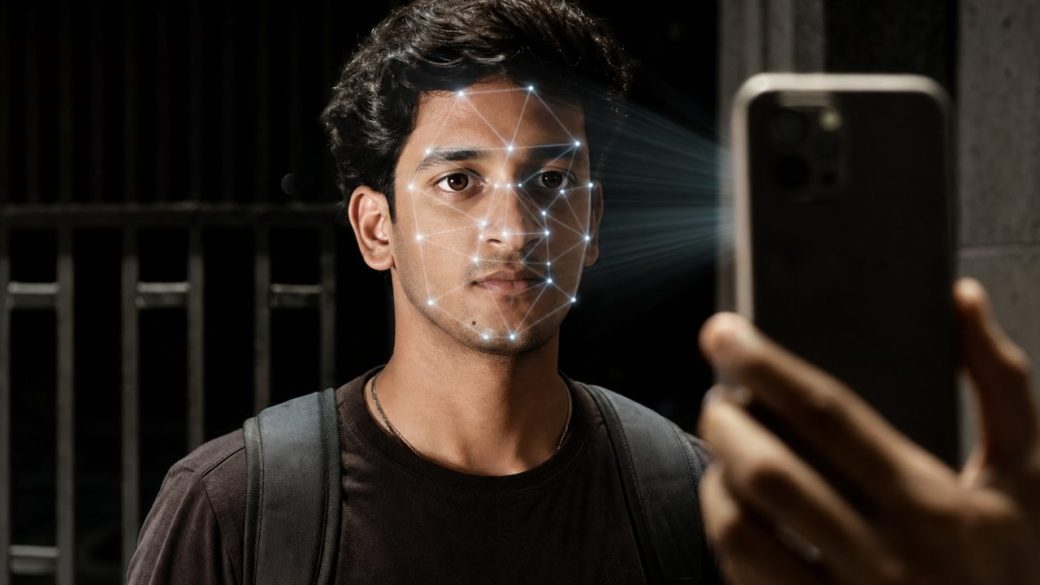
For the first time, the UPSC used an AI face authentication system to check who could sit for its biggest exam. AI face authentication means a computer matches a live photo of a person with the photo they gave during registration. During the Civil Services (Preliminary) Examination 2026, this system blocked 569 candidates at the gate. They could not appear for the test because the system could not confirm they were the right people.
The UPSC (Union Public Service Commission) runs the exams that pick India’s top civil servants, like IAS and IPS officers. This was the first time it used such technology at scale. The goal was simple: stop people from sending someone else to write the exam in their place.
What happened at the exam centres
The system was rolled out across 2,072 exam centres all over India. About 5.5 lakh (550,000) candidates went through the face check. More than 7,000 invigilators (the staff who watch over the exam hall) used a simple Android phone app to take a live photo of each person.
The app then compared that live photo with the photo each candidate had uploaded when they applied. If the two matched, the person was let in. If the system could not match them, they were flagged. In the end, 569 people did not clear this step.
Why were 569 candidates rejected?
The rejections were not all because of cheating. The system flagged people for a few reasons:
- The live face did not match the registered photo.
- The original photo was of poor quality or unclear.
- There were identity problems with the documents.
- The check simply failed to confirm the person.
The UPSC said the main aim is to “curb impersonation in the examination process.” Impersonation is when one person sits the exam pretending to be someone else. The Commission also said a manual verification process stays available, so genuine candidates are not unfairly shut out.
Key facts
| Detail | Figure |
|---|---|
| Candidates blocked by AI check | 569 |
| Exam centres covered | 2,072 |
| Candidates processed | ~5.5 lakh (550,000) |
| Invigilators using the app | 7,000+ |
| Time per face check | 6–8 seconds |
| Peak speed of system | 12,000 checks per minute |
How fast was the technology?
The system worked quickly. Each check took only 6 to 8 seconds per candidate. At its busiest, it could handle up to 12,000 checks every minute. This speed mattered because lakhs of candidates had to be verified in a short window before the exam started.
The technology came from the National e-Governance Division (NeGD), a government body that builds digital tools for public services. This made the 2026 Prelims one of the largest uses of AI for identity checks in any Indian public exam so far.
Why it matters (especially for India and founders)
India runs some of the world’s largest exams. Cheating and impersonation have long been hard to control. AI face checks could become the new normal for many tests, not just UPSC. The Commission has hinted this method will likely be standard in future exams.
For Indian founders and tech firms, this is a big signal. The government is willing to deploy AI in high-pressure, high-volume settings. That opens doors for startups building identity, verification, and exam-security tools. India is fast becoming a place where AI is used in real public systems, not just demos. This fits a wider trend, as seen in how India is leading the AI agent race and how big firms are embedding AI agents into enterprise work.
FAQ
Does failing the AI check mean a candidate cheated?
No. A failed check can simply mean a blurry photo or a poor match. The UPSC keeps a manual check as a backup for genuine cases.
Will AI face checks be used in future UPSC exams?
The UPSC has signalled that face authentication is likely to become a standard part of its exams going forward.
Who built the technology?
The system was provided by the National e-Governance Division (NeGD), a government digital services body. Invigilators used Android phones to capture live photos.
The takeaway is clear. India is moving AI from the lab into the exam hall. For 569 candidates, the 2026 Prelims ended at the gate. For the system, it marked the start of a faster, tech-driven way to keep big exams fair.
Source: Financial Express and India Observers.