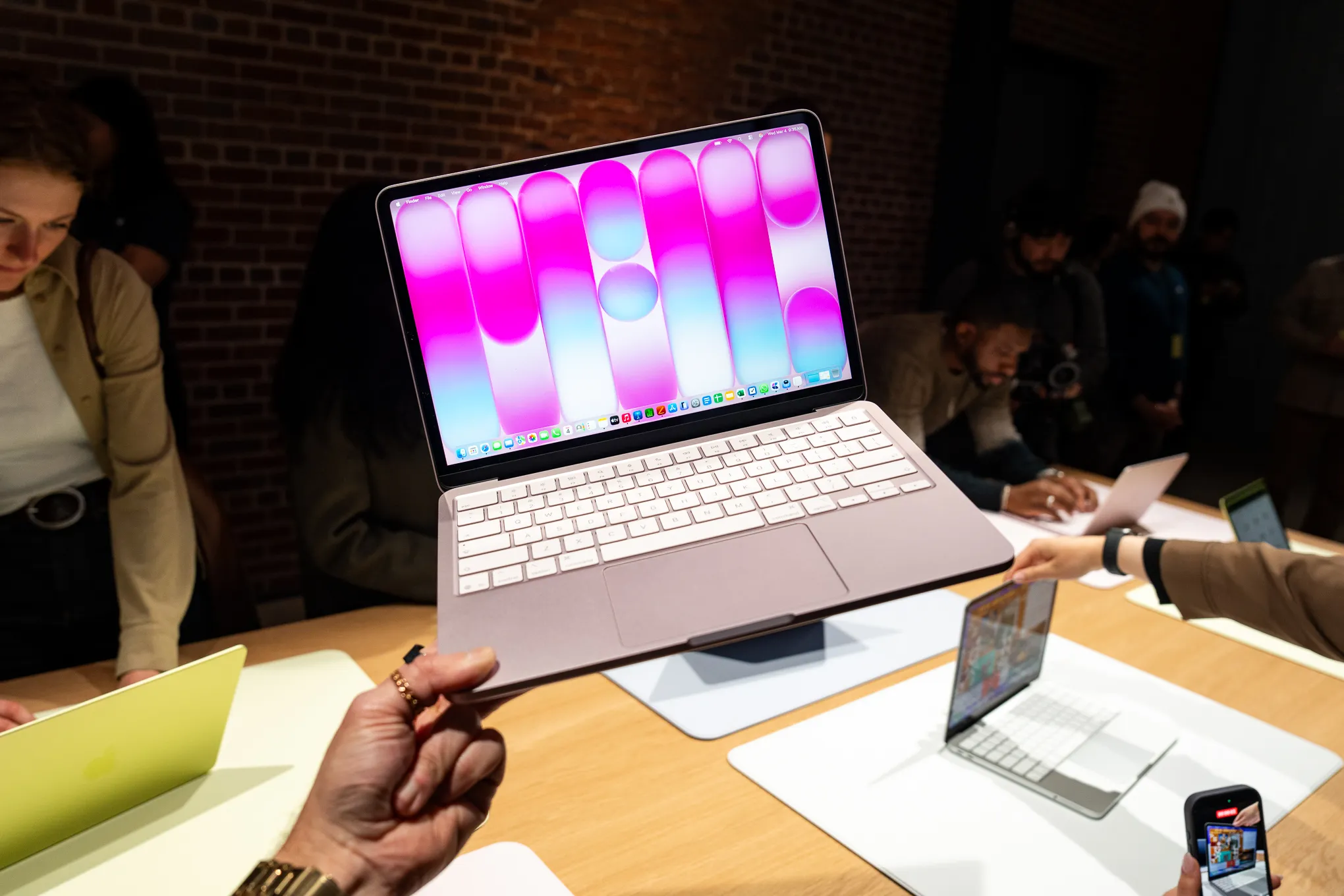
The global artificial intelligence infrastructure buildout has triggered an unexpected casualty: consumer electronics pricing. Following Apple’s sudden decision to implement sweeping, across-the-board price hikes for its Mac and iPad portfolios to offset a brutal global shortage of memory chips, Apple Inc. (NASDAQ: AAPL) shares slid 6.12% in U.S. trading hours, erasing approximately $250 billion in market capitalization overnight.
The market reaction highlights a sharp shift in investor sentiment from celebrating AI-driven chip demand to panicking over the resulting “chipflation”—a phenomenon where soaring component costs directly threaten consumer demand and device manufacturers’ margins.
1. The Anatomy of “Memory Armageddon”
The root cause of the price hike lies in the physical production limits of global semiconductor foundries. Memory giants like Micron, Samsung, and SK Hynix have been aggressively reallocating their production lines away from traditional consumer electronics to manufacture high-margin, high-bandwidth memory (HBM) and enterprise storage for AI data centers.
This pivot has left the consumer PC, smartphone, and tablet sectors facing constrained availability and skyrocketing raw material costs. According to industry tracker TrendForce, dynamic random-access memory (RAM) prices shot up by nearly 98% in Q1 2026 and are tracking another 58% to 63% spike this quarter.
“The rapid expansion of AI data centers has created an extraordinary surge in demand for memory and storage. We have never seen a component price increase this much, this quickly.”
— Official Apple Corporate Statement
[AI Server Boom] ──► [Memory Makers Prioritize HBM/Data Centers] ──► [Consumer RAM Shortage] ──► [Apple Component Costs Six-fold Increase] ──► [Global Price Hikes Passed to Consumers]
2. The Global and Indian Price Hike Matrix
The price increases, which went into effect globally on June 25, 2026, represent some of the steepest mid-cycle upward adjustments in Apple’s history. While Apple’s primary cash cow—the iPhone—has been spared for the time being, the iPad, Mac, and smart home lines have taken severe hits.
In India, where price sensitivity is acutely high, the increases were magnified by local import dynamics:
| Impacted Hardware Product Line | Global Retail Price Adjustment | Revised Indian Market Pricing Structure |
| MacBook Pro (Base 14-inch, M5 chip) | Rose to $1,999 (up from $1,699) | ₹2,39,900 (Spiked by a massive ₹70,000 from its launch price of ₹1,69,900) |
| MacBook Pro (M5 Pro chip variant) | Symmetrical percentage markup | ₹2,99,900 (Up from its launch base of ₹2,49,900) |
| MacBook Air (512GB Storage configuration) | Rose to $1,299 (up from $1,099) | ₹1,37,900 (Up from its standard retail entry of ₹1,19,900) |
| MacBook Neo (Entry-level model) | Rose to $699 (up from $599) | ₹79,900 (Increased by ₹10,000 to combat low-margin friction) |
| iPad Air (Base 13-inch model) | Rose to $749 (up from $599) | ₹1,19,900 (A staggering 41.2% surge from its launch price of ₹84,900) |
| HomePod Smart Speaker | Global baseline markup | ₹44,900 (Jumped by ₹12,000 from its regular ₹32,000 tag) |
3. Supply Chain Devastation in Asian Markets
The tech giant’s pricing pivot did not just drag down Wall Street; it sent an absolute shockwave through Asian technology ecosystems on Friday, decimating the valuations of key components suppliers:
- The South Korean Freeze: Despite U.S. memory leader Micron posting blowout earnings a day earlier, South Korea’s memory giants bore the brunt of the Apple panic. SK Hynix plummeted 9.56% and Samsung Electronics tumbled 8.65%, exacerbating a wider tech route that triggered an 8% circuit-breaker halt on South Korea’s KOSPI index.
- The Japanese Component Slump: Major hardware suppliers in Japan were heavily hit. Murata Manufacturing (multilayer ceramic capacitors) crashed nearly 10%, TDK Corp (iPhone battery assemblies) plummeted over 8%, and Sunny Optical plunged 12.16%.
- The Continental Exceptions: Conversely, core assembly and processing hubs held remarkably steady. High-end foundry TSMC (exclusive manufacturer of custom A-series and M-series silicon blocks) and Foxconn (primary iPhone assembler) saw their shares remain flat, as their pricing structures are insulated from raw memory commodity swings.
The dramatic drop in Apple shares underscores a growing realization among macroeconomic analysts: while the artificial intelligence gold rush is incredibly lucrative for backend infrastructure companies like Nvidia, the hyper-inflationary cost pressures it passes down to consumer hardware could significantly cool overall hardware refresh cycles and stall global consumer tech spending heading into the back half of the year.