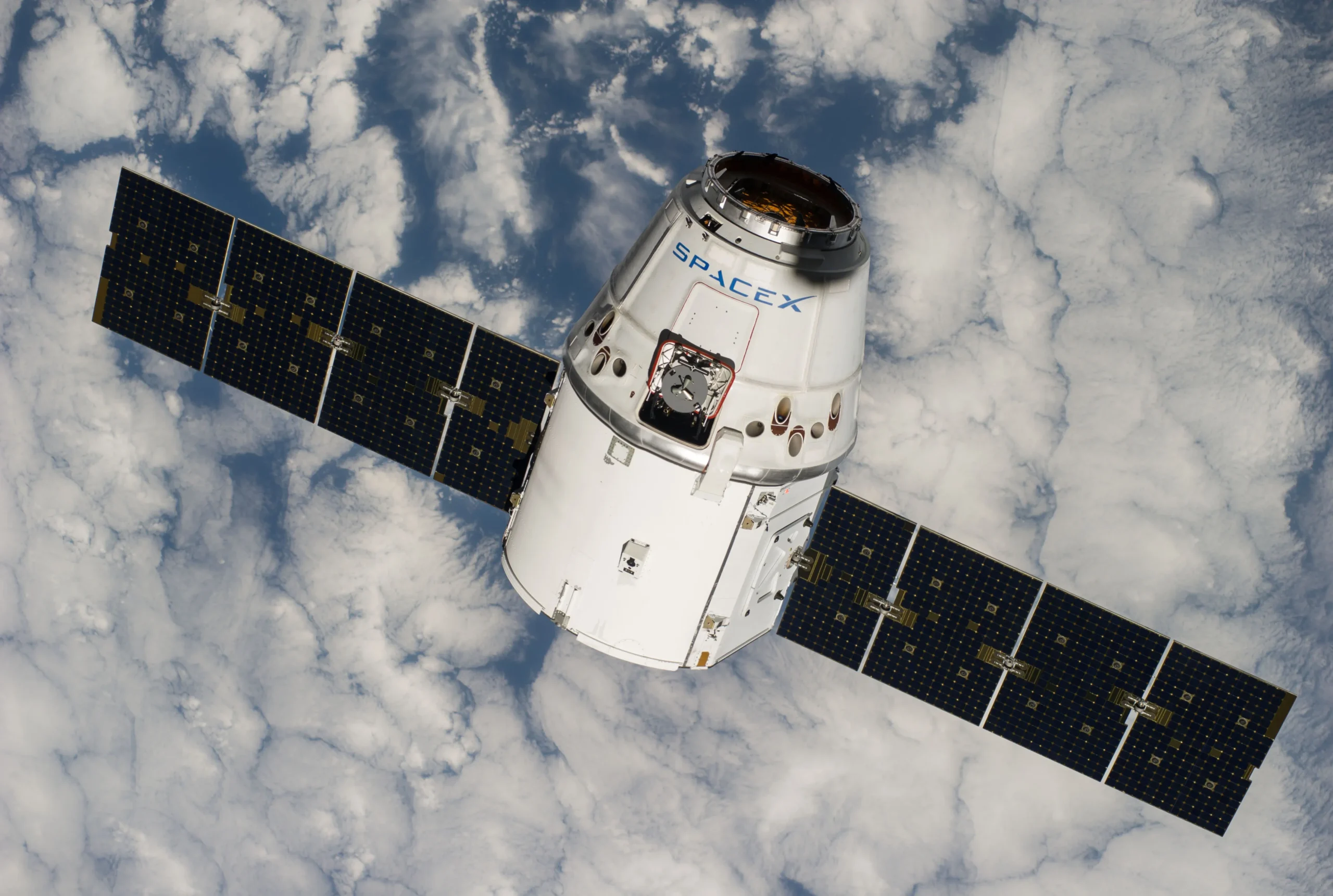
The report from the Financial Times detailing SpaceX’s secret plans to launch a direct-to-consumer Starlink mobile service in the US represents a major shift in Elon Musk’s telecom playbook.
Up until this point, SpaceX’s “Direct-to-Cell” ambitions were viewed strictly as a business-to-business partnership with existing carriers like T-Mobile to provide emergency back-up text and data coverage in dead zones. Moving into a consumer-facing retail network completely alters that dynamic.
1. Bypassing the Intermediaries
The FT disclosure—sourced from discussions held by SpaceX President and COO Gwynne Shotwell during the company’s recent investor roadshow—lays out an aggressive roadmap:
- Retail Subscriptions: SpaceX is preparing to sell cellular and mobile data plans directly to everyday consumers under the Starlink brand.
- A Hybrid Network: To handle dense urban traffic where pure satellite beams struggle with building interference and bandwidth limits, Shotwell indicated that SpaceX is actively considering building its own physical, terrestrial U.S. mobile wireless towers on the ground.
- The Valuation Incentive: By transforming into a standalone mobile network operator (MNO), SpaceX can directly capture a chunk of the $1.6-trillion global communications industry. This consumer scaling pipeline heavily reinforces SpaceX’s record valuation.
[Legacy Strategy]    ──► Partner with Carriers (T-Mobile) ──► Space Backup for Rural Dead Zones Only
                                                                      │
                                                                      ▼ (Strategic Pivot)
[Direct Retail Push] ──► Standalone Starlink Mobile Network ──► Sells Phone Contracts Directly to US Public
2. Weaponizing the $19.6 Billion EchoStar Spectrum
The technical feasibility of Starlink executing a sudden retail mobile launch relies heavily on massive, quiet wireless license acquisitions finalized last year:
The Airwave Land Grab: In 2025, SpaceX acquired prime wireless spectrum licenses from EchoStar, dropping $17 billion in September and an additional $2.6 billion in November.
By taking control of this $19.6 billion spectrum war chest (including highly prized AWS-4 and H-block terrestrial rights), Starlink acquired the necessary legal frequencies to broadcast directly to consumer smartphones.
While market analysts note that Starlink’s total spectrum footprint (~65MHz) still trails significantly behind the “Big Three” legacy carriers, it gives SpaceX the foundational bandwidth required to stand up a functional, high-speed 5G cellular ecosystem that bypasses multi-year regulatory spectrum auctions.
3. Threat to the Three-Carrier Monopoly
By moving from a cellular subcontractor to an independent network, Starlink puts itself on a direct collision course with the entrenched telecom giants:
| Carrier | Structural Vulnerability to Starlink Retail Mobile |
| T-Mobile | Currently a core partner utilizing Starlink for remote data coverage. Faces immediate churn risk if its space partner begins poaching retail customers with native Starlink plans. |
| AT&T & Verizon | Tied down by massive debt overheads from building traditional land-based fiber and 5G cellular infrastructure. Vulnerable to a lean competitor offering seamless satellite-to-ground data continuity. |
The mobile push arrives right as Starlink hits peak momentum, recently crossing 12 million active subscribers globally across 160 countries. Backed by the rapid deployment of next-generation, direct-to-cell capable satellites, Musk’s space network is timing its consumer mobile assault to catch legacy telecom giants right as their infrastructure expansions have largely flatlined.