Key takeaways
- The Tesla Semi crash is the first reported fatal crash involving Tesla’s heavy electric truck.
- Early reports suggest the truck left the road and caught fire, but investigators still need to confirm key facts.
- The case matters because big trucks can cause huge damage, so safety questions get serious fast.
- Tesla’s Semi program is still small, which means even one deadly crash will draw close attention.
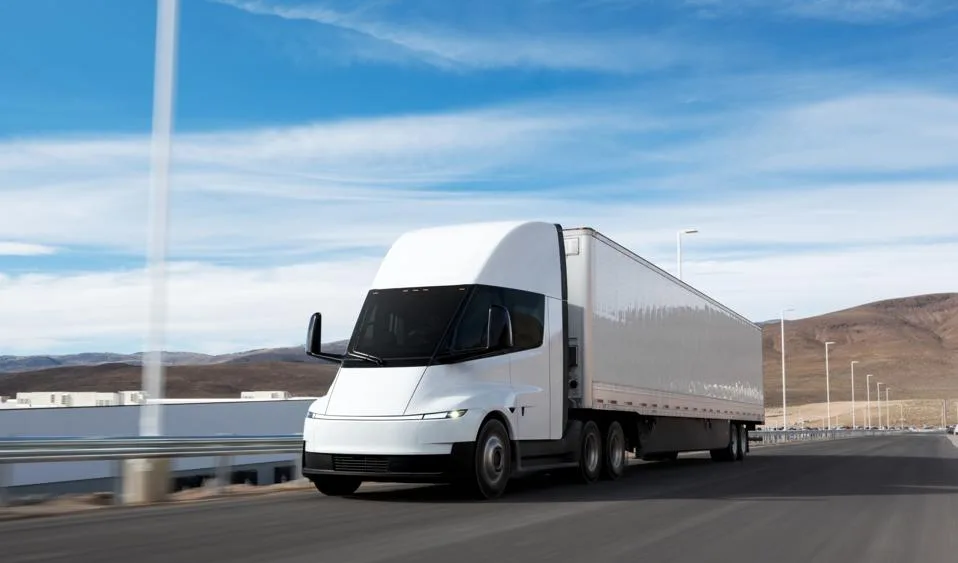
The Tesla Semi crash is the first known deadly crash tied to Tesla’s battery-powered big rig. A big rig is a heavy truck used to move goods long distances. The case matters because the Tesla Semi crash could shape how people judge electric trucks, safety systems, and Tesla’s push into freight.
What happened in the Tesla Semi crash?
According to reports cited by Forbes, the crash happened on a highway in Nevada. The truck appears to have gone off the road and burned afterward. Fire is a major risk in any vehicle crash, but it can be harder to handle in a large battery vehicle.
Authorities said one person died in the incident. Investigators are still working through the evidence, so some details may change. That includes who was driving, what caused the truck to leave the road, and whether any driver-assist system was active.
That last point matters a lot. Driver-assist means software that helps with steering, speed, or lane keeping. It is not the same as a self-driving truck, and a human still needs to stay in control.
Why does the Tesla Semi crash matter so much?
A deadly crash involving any new vehicle gets attention. But a fatal crash with a heavy truck gets even more, because the stakes are bigger. A loaded Class 8 truck can weigh up to 80,000 pounds in the US. That’s about 36,000 kilograms.
Put simply, mass matters. A heavy truck carries far more force than a family car, so a mistake can have worse results. That’s why regulators, fleet operators, and safety experts watch truck crashes very closely.
The Tesla Semi crash also lands at a key moment for the company. Tesla has spent years promising that the Semi would cut fuel costs, lower emissions, and change freight. Emissions are gases that warm the planet or pollute the air. But safety has to come first, or those sales promises get weaker.
Tesla first showed the Semi in 2017. That means nearly 9 years have passed since the unveiling. Deliveries began in small numbers, and PepsiCo has been one of the best-known early users.
How many Tesla Semis are actually on the road?
Not many, at least compared with normal diesel trucks. Diesel trucks use fuel made from crude oil. Tesla has not built the Semi at the scale of its Model 3 or Model Y cars, so the fleet remains limited.
That small fleet cuts two ways. On one hand, fewer trucks on the road means fewer chances for crashes. On the other hand, one deadly event can still have an outsized effect because there are so few vehicles to compare.
In fact, this is why the Tesla Semi crash will likely stay in the news longer than a typical truck accident. It is rare, it is serious, and it involves a product that has been marketed as the future of shipping.
Tesla Semi crash: key numbers1 fatal9 yrs since80,000 lb1980k
What will investigators look at next?
Crash investigators usually start with the basics. They look at road marks, speed, weather, fire damage, and vehicle data. Vehicle data means the digital record stored by the truck’s systems.
They may also check whether the driver was tired, distracted, or dealing with a medical problem. Fatigue means extreme tiredness. It is a common risk in long-haul trucking, since drivers spend long hours on the road.
Battery condition could matter too, especially because the truck burned. Investigators will want to know if the fire started before the impact or after it. That difference is crucial because it points to very different causes.
The Tesla Semi crash may also renew debate around automation claims. Tesla often talks up advanced software, but critics say the names can confuse drivers. Clear names matter because people may trust a system too much if it sounds more capable than it is.
How does this fit into the bigger electric truck story?
Electric trucks promise lower fuel bills and less tailpipe pollution. Tailpipe pollution is the dirty gas released when fuel burns. Since electric trucks have no tailpipe, they can help fleets cut local air pollution, especially near warehouses and ports.
But there are trade-offs. Big batteries are expensive, and charging large trucks takes serious power. Fleets also need charging depots, route planning, and time for maintenance, so the switch is not simple.
That is why this crash matters beyond Tesla. Rivals, fleet buyers, and regulators are all testing whether electric trucks can work safely at scale. Scale means doing something in large numbers, not just in a pilot phase.
We’ve already seen how transport stories can ripple across industries, from EV price pressure in India to worries that basic affordability still shapes mass adoption. New technology wins only when it is safe, reliable, and practical.
What are the known facts so far?
Right now, the cleanest way to look at the story is to separate facts from open questions. That’s important because early crash reports often change as investigators collect evidence.
| Topic | What seems known | What is still unclear |
|---|---|---|
| Crash outcome | At least 1 person died | Full chain of events |
| Vehicle | A Tesla Semi was involved | Truck speed and load |
| Fire | The truck reportedly burned | Whether fire began before or after impact |
| Technology | Tesla uses driver-assist systems in some vehicles | Whether any system was active here |
For primary details, readers should watch official updates from the National Transportation Safety Board and the National Highway Traffic Safety Administration. These US agencies handle transport safety and vehicle oversight.
Readers interested in how policy and public scrutiny can shape big companies may also want to see our piece on the NSE RTI ruling on public access to information and our report on how market power can trigger wider concerns. Different sectors, same lesson: trust depends on transparency.
What does the Tesla Semi crash mean now?
Here is the clearest answer: The Tesla Semi crash does not prove electric trucks are unsafe, but it does force a tough public test of Tesla’s truck, its safety story, and the rules around advanced driving tech.
That quote is worth holding onto because it separates emotion from evidence. One crash cannot settle the whole debate. Still, one fatal crash in a tiny fleet is enough to raise urgent questions.
For Tesla, the next steps are not flashy. They are careful. The company will need facts, clear communication, and a strong safety response if it wants buyers to keep trusting the Semi.
FAQs
What is the Tesla Semi crash?
The Tesla Semi crash is the first reported fatal accident involving Tesla’s electric heavy truck.
Why is this crash getting so much attention?
Because the truck is new, rare, and very large. A deadly crash involving a heavy truck can have huge consequences.
How do investigators decide what caused the crash?
They study road evidence, truck data, fire damage, and witness reports. Then they test whether speed, fatigue, weather, or technology played a part.