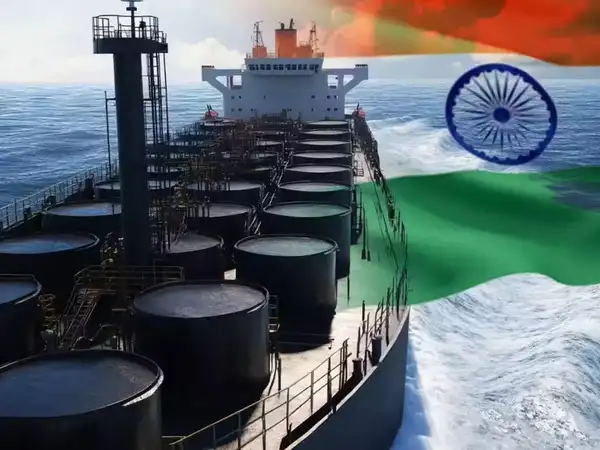
India wants to expand strategic fuel reserves after the Iran war shock exposed how fast global oil risks can rise. Strategic fuel reserves are emergency oil stockpiles kept for a crisis. They help a country keep fuel flowing if imports get hit. That matters for India because it buys most of its crude oil from abroad.
Key takeaways
- India plans to add more emergency crude storage after fresh West Asia tensions.
- Strategic fuel reserves act like a giant backup tank for the country.
- India imports about 85% of its crude oil, so supply shocks can hurt fast.
- The current reserve can cover only a limited number of days, which is why expansion matters.
Why is India expanding strategic fuel reserves now?
The trigger is simple. War fears in West Asia shook the oil market again. Even when supply does not stop, traders often push prices higher because they fear what could happen next.
That is a problem for India since it is the world’s third-largest oil importer. A large importer buys huge amounts from other countries. If crude prices jump by just a few dollars a barrel, India’s import bill can rise by thousands of crores.
Officials are now looking at fresh storage capacity for strategic fuel reserves. The idea is to create a bigger buffer before the next shock hits. A buffer is extra supply kept aside for hard times.
This plan also fits a bigger pattern. India has been trying to reduce risk across energy and transport. You can see a similar push in stories like India lifting fuel sale curbs for commercial buyers and Delhi’s new EV policy.
What are strategic fuel reserves and how do they work?
Strategic fuel reserves are not petrol pumps for daily use. They are giant underground or protected storage sites filled with crude oil. Crude oil is raw oil before it is turned into petrol, diesel, or jet fuel.
Countries use these reserves during war, shipping trouble, or a sudden supply cut. For example, if a key sea route gets blocked, stored oil can help refineries keep running. Refineries are plants that turn crude into usable fuels.
India already has emergency storage at places such as Visakhapatnam, Mangaluru, and Padur. These sites were built in phases. They were designed to give India some breathing room, but not a very long one.
According to public government data, India’s existing strategic reserves hold about 5.33 million metric tonnes of crude. That is often described as roughly 9 to 10 days of net imports. Net imports means the oil a country still needs after counting its own output.
India oil risk snapshotCrude import dependence85%Strategic reserve cover~10 daysSource: Public government disclosures and industry estimates
How much oil backup does India have right now?
India’s full oil cushion is a bit bigger than the emergency reserve alone. The country also has stocks with state-run oil companies. These are commercial stocks, which means oil kept for normal business needs.
Together, India’s total crude and fuel cover is often estimated at around 70-plus days. But that total includes oil held by companies for routine operations. The dedicated strategic fuel reserves portion is much smaller, so experts say more storage would give India stronger crisis protection.
| Type of stock | What it means | Approx cover |
|---|---|---|
| Strategic reserves | Emergency government-held crude | About 9-10 days |
| Commercial stocks | Oil held by companies for regular use | Several weeks |
| Total cover | Strategic plus commercial stocks | About 70+ days |
That gap explains the new push. In a short shock, company stocks can help. But in a longer crisis, governments prefer larger emergency reserves they can control directly.
Why does the Iran war shock matter so much for India?
West Asia sits close to major oil shipping lanes. One of the most important is the Strait of Hormuz. It is a narrow sea route through which a large share of global oil trade moves.
If that route faces danger, insurance costs can rise fast. Tanker rates can also jump. Tankers are the ships that carry crude oil across oceans.
India does not buy most of its crude from Iran now, but it still feels the shock. That is because oil is priced in a global market. When fear spreads, nearly everyone pays more.
Brent crude, a global oil benchmark, has swung sharply during recent conflict scares. A benchmark is a common price marker used across markets. Even a move from $75 to $85 a barrel can put pressure on inflation, the rupee, and government budgets.
That is why strategic fuel reserves matter beyond fuel stations. They can help calm the market at home. They also give policymakers time to react instead of rushing during a panic.
What could happen next?
India may build new caverns, expand old sites, or use public-private models. A cavern is a giant underground storage chamber cut into rock. The government has discussed more sites before, including a second phase of reserve building.
Money will matter here. Building storage is expensive, and filling it with crude costs even more. Still, officials may see this as worth the price because supply shocks can cost much more.
There is another reason too. India’s economy keeps growing, so energy demand keeps rising. More factories, more flights, and more trucks mean more fuel use.
For readers tracking the wider economy, this move links to bigger themes around trade, supply security, and investment. We have seen similar risk planning in sectors from bank capital raising to India’s fight over key industrial supplies.
India’s message is clear: a country that imports most of its oil needs a bigger backup tank. Expanding strategic fuel reserves will not stop global price shocks, but it can buy India time, protect supplies, and reduce panic when the next crisis hits.
For official background, readers can check the Ministry of Petroleum and Natural Gas and the International Energy Agency. Both explain how emergency oil stocks support energy security.
Why do strategic fuel reserves matter to regular people?
This may sound like a distant policy story, but it hits daily life. If oil prices surge, transport costs often rise. Then food, flights, and deliveries can also get costlier.
So the reserve is a bit like a home water tank before a supply cut. You hope you never need it. But when trouble starts, you are glad it is there.
India is not alone in doing this. Big economies keep emergency oil stocks for the same reason. They know energy security is not just about buying oil cheaply. It is also about being ready when the world gets messy.
FAQs
What are strategic fuel reserves?
They are emergency crude oil stockpiles kept by the government for major disruptions. They are used when normal imports face a threat.
Why is India adding more strategic fuel reserves?
India wants a bigger safety cushion after the Iran war shock raised fears over oil supply routes and prices.
How much oil does India import?
India imports about 85% of its crude oil needs. That high dependence makes outside shocks a big risk.