Singtel Sells Gulf Development Stake to Fund a Big AI Push
Singtel is Southeast Asia’s biggest telecom company. A “telco” is short for a telecom company — a business that runs phone and internet networks, like Airtel or Jio in India. Singtel has sold part of what it owned in another firm to raise money for AI. (“AI,” or artificial intelligence, means computer programs that can think and learn a little like people.) A “stake” is just a slice of ownership in a company. On 23 June 2026, Singtel said it sold a 2.8% slice of a Thai firm called Gulf Development. The sale brought in about S$1 billion. That is around US$773 million.
The plan is simple. Singtel is selling a calm, steady asset. (An “asset” is something valuable that you own.) It is putting that cash into a faster-growing one: AI and data centres. Many big companies are doing this in 2026.
What exactly did Singtel sell?
Singtel sold a 2.8% stake in Gulf Development. Gulf Development is Thailand’s largest energy company. The sale brought in about S$1 billion, or roughly US$773 million. Singtel said it made a profit of around S$140 million on the deal. That is about US$109 million. (A “gain” or profit is the extra money you make above what you first paid.)
Singtel did not sell everything. It still owns about 4.95% of Gulf Development. That leftover stake is worth around S$1.8 billion. So the company kept a foot in the door. But it also took some cash off the table.
How did Singtel get this stake in the first place? Back in 2025, two Thai firms joined together. They were Intouch Holdings and Gulf. This kind of joining is called an “amalgamation” — when two companies merge into one. That merger gave Singtel a 7.75% stake in the new, bigger company. Now Singtel is slowly selling parts of it.
What is “asset recycling”?
This deal is part of something Singtel calls “asset recycling.” The idea is simple. A company sells things it owns but no longer needs day to day — like shares in another firm. Then it “recycles” that cash by spending it on parts of the business that can grow faster. Think of it like selling an old bike to buy tools for a new business.
Singtel runs this under a plan it calls Singtel28. The goal is to free up S$9 billion over the next few years. Since 2024, it has already freed up S$6.8 billion. This latest sale pushes it closer to that goal.
Arthur Lang is Singtel’s Group Chief Financial Officer. (That is the top money manager in a company.) He said the sale “reflects Singtel’s disciplined approach to capital management.” In plain words, that means Singtel is careful with its money. He also said Gulf Development’s strong share price gave “an attractive opportunity to crystallize value.” That just means turning a paper profit into real cash.
Where will the money go?
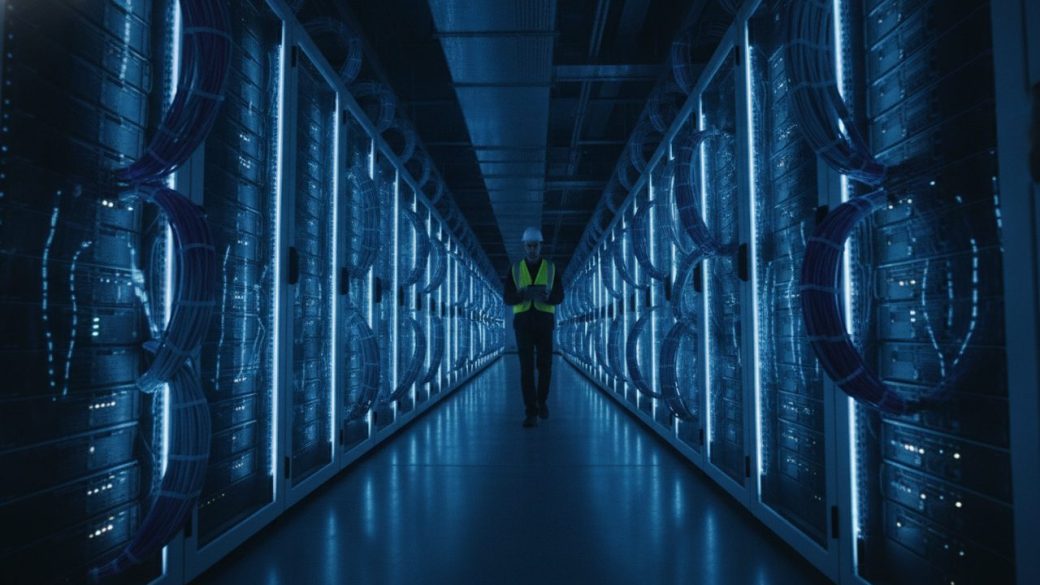
The cash is going into AI and data centres. A “data centre” is a building full of powerful computers. These machines store data and run heavy software. That includes the AI tools millions of people now use. AI needs huge amounts of computing power. So data centres are in high demand.
Singtel has set aside about S$1.2 billion for AI and data centre growth. A big part of this goes into something called “GPU-as-a-service.” A GPU is a special computer chip that is very good at AI work. Singtel rents out GPU power instead of selling the chips. This lets other companies use AI without buying their own costly machines.
Singtel is also moving into “sovereign AI” for Singapore. Sovereign AI means AI that a country runs on its own land, with its own data and rules. It does not depend on computers in other nations. Governments like this. It keeps sensitive data closer to home.
Key facts
| Item | Detail |
|---|---|
| Date announced | 23 June 2026 |
| Stake sold in Gulf Development | 2.8% |
| Proceeds from sale | About S$1 billion (~US$773 million) |
| Gain on the sale | About S$140 million (~US$109 million) |
| Stake Singtel still owns | 4.95% (worth ~S$1.8 billion) |
| Original stake (from 2025 merger) | 7.75% |
| Singtel28 recycling target | S$9 billion (medium term) |
| Capital unlocked since 2024 | S$6.8 billion |
| Set aside for AI and data centres | About S$1.2 billion |
Why sell a steady energy stake?
Energy companies are usually safe and steady. But they grow slowly. AI is the opposite. It is risky, but it grows fast. Singtel seems to believe the bigger reward now sits in AI and data centres. It is not in holding shares of an energy firm.
The timing was good too. Gulf Development’s share price had been strong. Selling when the price is high lets Singtel lock in a profit. The company still keeps a 4.95% stake. So it can gain more if Gulf’s shares keep rising.
Thailand still matters to Singtel in other ways. It works there through its partner AIS. It also has a data centre venture there. So selling these shares does not mean Singtel is leaving Thailand.
FAQ
How much did Singtel raise?
About S$1 billion, or roughly US$773 million. It got this by selling a 2.8% stake in Gulf Development. It also made a profit of around S$140 million.
What will Singtel do with the money?
It plans to put the money into AI and data centres. About S$1.2 billion is set aside for this. That includes GPU rental services and sovereign AI for Singapore.
Did Singtel sell its whole Gulf stake?
No. It sold 2.8% and still holds 4.95%. That is worth about S$1.8 billion. So it kept most of its share.
What is asset recycling in simple terms?
It means selling things you no longer need. Then you use that cash to grow faster-moving parts of the business. Singtel runs this under its Singtel28 plan.
Why it matters (especially for India / founders)
This is a clear lesson for founders to watch. (A “founder” is a person who starts a company.) Say you own something that has gone up in value but grows slowly. You can sell it and move that money into something with more upside. Singtel is doing this on a huge scale. But the same idea fits a small startup too.
It also shows where big money is flowing in 2026: into AI and data centres. Indian founders are chasing the same wave. They are building AI tools, cloud services, and chip rental businesses. Demand for GPU power is high, and supply is tight.
Sovereign AI is a theme India should note too. India has been pushing for AI built and run on Indian soil, with Indian data and rules. Singtel’s move for Singapore is much like what governments across Asia, including India, want more and more.
The takeaway
Singtel is trading slow and steady for fast and risky. By selling part of its Gulf Development stake, it has freed up about S$1 billion. It is pointing that money at AI and data centres. It is a clear bet that future growth lies in computing power, not just phone lines. For anyone watching how big firms fund the AI boom, this is a textbook example. It is selling old assets to buy into the next big thing.
Source: CNBC