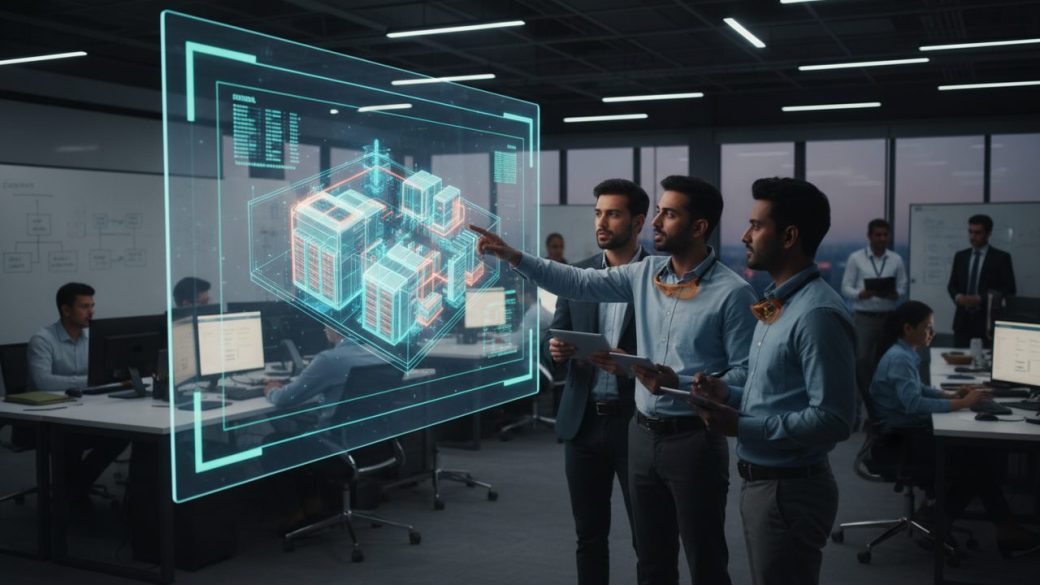
Autodesk Bets on India: Infrastructure and Data Centres to Drive Growth
Autodesk makes popular design software. Design software is a computer tool that engineers and architects use to plan things like buildings, roads, bridges and machines before anyone starts building them. Autodesk says India is one of its biggest growth markets. A growth market is a place where a company expects to sell a lot more in the years ahead.
The company thinks two things will power that growth. The first is India’s fast-building infrastructure. The second is its booming data centres. This message comes from a recent Financial Express report about how Autodesk sees its future in India.
Here is the simple idea. India is building a lot right now. Autodesk makes the tools used to plan all that building. So the company wants a bigger share of that work.
What Autodesk actually said
Autodesk points to two clear engines for its India growth. The first is infrastructure. Infrastructure means big public projects like roads, metros, airports, ports, power lines and water systems.
The second engine is data centres. A data centre is a large building full of computers. These computers store and run the apps, websites and AI tools we use every day. Both infrastructure and data centres need careful design before building starts. That is exactly where Autodesk’s tools come in.
India is in the middle of a huge building wave. The government keeps spending on big projects. Private companies are also racing to build data centres. They need them to support AI and the growing internet economy. Each new project means more design work. And more design work means more demand for software like Autodesk’s.
Why data centres matter so much
A data centre is not a simple warehouse. It packs in thousands of servers. Servers are powerful computers that store data and run online services. A data centre also needs heavy cooling, power backup and security systems.
Every part must be planned to fit together perfectly. A small design mistake can waste money. It can even shut the whole building down.
This is where a method called BIM helps. BIM stands for Building Information Modelling. It means making a smart 3D model of a building on a computer. The model holds real details about every pipe, wire, wall and machine.
With BIM, teams can spot clashes on the screen. They can fix problems long before they pour concrete. Autodesk’s tools are built around this idea. That makes them useful for complex jobs like data centres.
As AI grows, India needs far more data centres. The country also has rules that push companies to store certain data inside India. Together, these forces are driving a wave of new data centre projects. And a lot of design work follows each one.
The shift to the cloud and SaaS
Autodesk is also changing how it sells its tools. In the past, you bought a program and installed it once. Now the company is moving to SaaS. SaaS means “Software as a Service.” You pay a regular subscription and use the software online, instead of owning a copy. It works much like Netflix, but for design tools.
This cloud approach has a big benefit. Teams in different cities, and even different countries, can work on the same project at the same time. The cloud means using software and storing files over the internet, not on one computer.
Big Indian infrastructure jobs have many partners. For them, a shared, always-updated workspace is a real advantage. To help Indian customers, Autodesk has also added local data storage in India. This means project data can stay within the country.
Partnerships on the ground
Autodesk is not doing this alone. It has tied up with an Indian engineering firm called Pinnacle Infotech. The two signed a strategic agreement, which is a long-term plan to work closely together. It is aimed at large enterprise and infrastructure projects. As part of this, Pinnacle has set up a Centre of Excellence for design and engineering in Bengaluru.
The goal is to join two strengths. Autodesk brings its cloud design tools. Pinnacle brings its hands-on construction know-how.
Bimal Patwari is the CEO and co-founder of Pinnacle Infotech. He said the collaboration strengthens the firm’s ability to scale digital delivery and drive measurable outcomes. The bigger idea is simple. Construction should move away from scattered, paper-heavy work. It should move towards connected, data-driven delivery.
Key facts
| Point | Detail |
|---|---|
| Company | Autodesk, maker of design software |
| Key growth market | India |
| Main growth drivers | Infrastructure projects and data centres |
| Core technology | BIM (smart 3D building models) and cloud design tools |
| Business model shift | Moving towards SaaS (subscription, cloud-based software) |
| India support | Local data storage; India-focused “Design and Make” solutions |
| Local partner | Pinnacle Infotech; Centre of Excellence in Bengaluru |
Note: This table lists the main points reported. Autodesk did not share specific India revenue figures in this report.
FAQ
What does Autodesk make?
Autodesk makes design software. These are computer tools that architects and engineers use to plan buildings, roads, machines and more before they are built. AutoCAD is one of its best-known products.
Why is Autodesk focused on India?
India is building a lot. This includes both big infrastructure and new data centres. Every project needs design work, which means more demand for Autodesk’s tools. The company calls India a strategic growth market, meaning a place it sees as very important for its future.
What is a data centre?
A data centre is a large building full of computers, called servers. These computers store data and run the apps, websites and AI services people use online. India needs many more of them as AI and internet use grow.
What is BIM?
BIM means Building Information Modelling. It is a smart 3D model of a building that holds real details about every part. This lets teams spot and fix problems on the computer before construction starts.
Why it matters (especially for India and founders)
This story is bigger than one software company. It is a sign that global tech firms now see India’s building boom as a long-term chance, not a side market. When a company like Autodesk leans in, it often brings training, jobs and better tools to local engineers.
For founders and students, there are a few clear lessons. First, “boring” sectors like construction and infrastructure are going digital fast. That creates real business chances. Second, the move to SaaS shows something important. Even old software giants must keep changing how they work to grow. Third, local partnerships are often the smartest way to win in a market like India. Autodesk teaming up with an Indian firm is a good example.
Do you work in design, construction, real estate or tech? Then this is a space worth watching. Skills in BIM, cloud collaboration and data centre design are likely to be in strong demand for years.
The takeaway
Autodesk’s bet is simple. India will keep building, and much of that building now starts on a screen. The company is backing infrastructure and data centres. It is adding local data storage. It is also partnering with firms on the ground.
All of this helps Autodesk ride India’s growth wave. India wants to modernise its cities and power its digital future. For that goal, more smart design tools can only help.
Source: Financial Express