Ola Electric secures BIS certification for its in-house LFP cell
Ola Electric got a big safety approval. It is for a battery cell the company built by itself. A report by Inc42 says Ola won this approval on June 23, 2026. The approval is called BIS certification. BIS stands for the Bureau of Indian Standards. It is India’s official body. It tests products and checks that they meet India’s safety rules. Ola is now the first Indian company to get this approval for a battery cell it designed and made on its own.
The work was done by Ola Cell Technologies. This is a subsidiary, which means a smaller company owned by the main company. The approved cell is called the LFP 46100 cylindrical cell. Below we explain what this means in simple words. We also explain why it could matter for India.
What is an LFP cell, in simple words?
A battery cell is the small unit that stores power. Many cells join together to make a battery pack. That is the kind of pack inside an electric scooter. An LFP cell uses a material called lithium iron phosphate. That is what the letters L, F and P stand for. People like LFP cells. They are seen as safe. They last a long time. They are also cheaper to make than some other types.
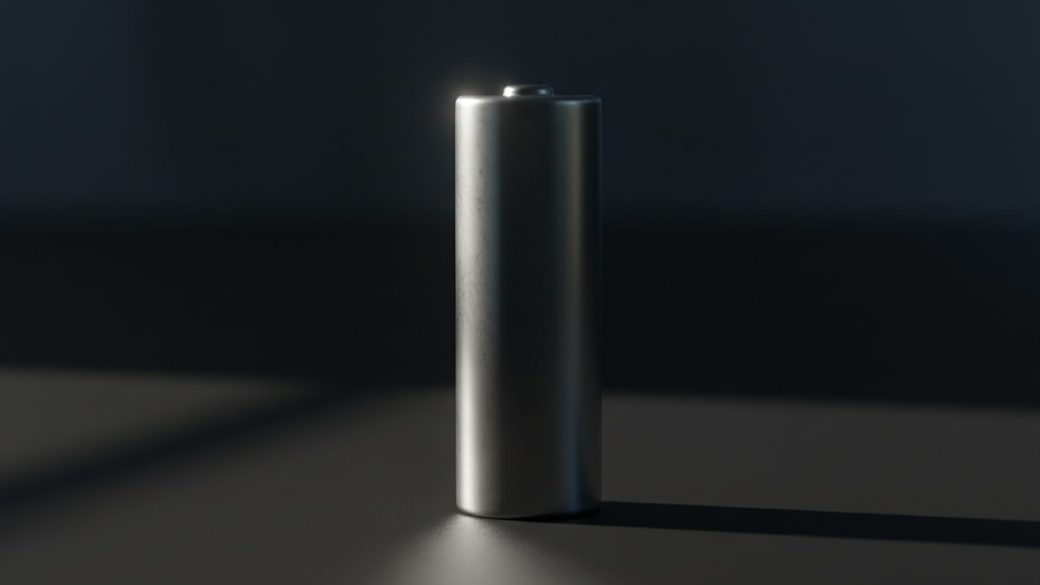
Ola’s cell is “cylindrical.” This means it is shaped like a small tube. It looks like the batteries in many gadgets. The “46100” part tells you its size. Until now, most cells used in India came from other countries. So making an approved cell at home is a big step.
The specs and safety standards
The report shares clear numbers about how the cell works. Its energy density is over 170 Wh/kg. Energy density means how much power the cell can hold for its weight. A higher number means more range without adding extra bulk. The cell is also built to last up to 4,000 charge-discharge cycles. One cycle is a full charge and a full drain. So this number points to a long life.
To win BIS approval, the cell had to pass several safety tests. These tests are IS 16046 (Part 2):2018 / IEC 62133-2:2017, IS 16893 (Parts 2 and 3), and UN 38.3. These are detailed rules. They check that a battery is safe to use and safe to move from place to place. Ola has built a second cell in-house too. It is called the NMC 4680 Bharat Cell. Both cells use a shared “46-series” platform. This just means they come from the same basic design family.
| Key fact | Detail |
|---|---|
| Certification date | June 23, 2026 |
| Cell certified | LFP 46100 cylindrical cell |
| Energy density | Over 170 Wh/kg |
| Cycle life | Up to 4,000 charge-discharge cycles |
| Standards met | IS 16046 (Part 2):2018 / IEC 62133-2:2017, IS 16893 (Parts 2 and 3), UN 38.3 |
| Gigafactory capacity | 6 GWh install largely complete; 20 GWh planned next year |
| Commercial target | End of Q1 FY27 |
| Recent investment | ₹500 Cr in Ola Cell Technologies; ₹1,500 Cr in vehicle arm |
Where will these cells be made?
Ola plans to make the cells at its own Gigafactory. A Gigafactory is a very large plant. It is built to make batteries on a huge scale. The report says the first 6 GWh of capacity is “largely complete.” GWh means gigawatt-hours. It is a way to measure how many batteries a factory can make. More GWh means more cells each year.
Ola wants to start selling the cells by the end of Q1 FY27. That is the first three months of its 2027 financial year. It also wants to grow the plant to 20 GWh of capacity next year. To pay for this, Ola’s board approved a big spend. It set aside ₹500 Cr (crore) for Ola Cell Technologies. It set aside ₹1,500 Cr for its vehicle-making arm. The cells are meant for electric vehicles. They are also meant for stationary storage systems. These are big batteries that store power for homes, businesses, or the power grid.
How is Ola Electric doing financially?
This battery news comes at a hard time for Ola’s money. The company is still trying to fix its finances. In the fourth quarter of FY26, it had a net loss of ₹500 Cr. A net loss means the company spent more than it earned. But that loss was 43% smaller than a year before. So there is some progress.
Its operating revenue was ₹265 Cr. Operating revenue is the money earned from its main business. That number fell 57% from a year before. It also fell 44% from the quarter before. There is some good news too. The company sold 15,139 two-wheelers in a recent period. That was up 22% from the month before. Its market share went back up to about 9%. Market share is the slice of total sales a company holds. After the cell news, Ola’s stock rose 2.56% to ₹43.63. The stock is up 18% since May 20.
Why it matters (especially for India and founders)
India buys most of its battery cells from other countries. Most come from China. Building an approved cell at home cuts this need. Over time it can also lower costs. It can create local jobs and new skills. For India’s clean energy goals, homemade cells are a strong sign.
For founders, there is a lesson here. It is about going deep into the supply chain. The supply chain is the full chain of parts and steps used to make a product. Ola did not just put scooters together. It tried to own the most costly part, the battery. That is hard and expensive. But it can be a real edge if it works. This kind of bold bet, where a company makes more of its own parts, recalls other big moves. One example is India’s plan for seven defence manufacturing clusters, which aim to build more at home. Owning your core technology is now a clear theme. We see it in global EV makers too, like the team behind the Xpeng Mona L03, who control their own tech.
FAQ
What is BIS certification?
BIS is the Bureau of Indian Standards. Its certification means a product passed India’s official safety and quality tests. For a battery cell, it means the cell is safe to use and sell.
What is special about Ola’s LFP cell?
Ola says it is the first Indian company to get BIS approval for a cell it made in-house. The LFP 46100 cell gives over 170 Wh/kg of energy density. It is built to last up to 4,000 cycles.
When will the cells be on sale?
Ola aims to start full production by the end of Q1 FY27. Its Gigafactory has 6 GWh of capacity nearly ready. It plans to reach 20 GWh next year.
The takeaway
Ola’s BIS approval for its in-house LFP cell is a big moment for India’s EV story. It points to a future where more of the battery is made and approved at home. Ola still faces real money trouble. It has losses and falling revenue. But owning its core battery technology could give it a long-term edge. That depends on whether it can make cells at scale and at the right cost.