ByteDance’s Doubao AI app moves into ride-hailing with an in-app taxi beta in Beijing and Hangzhou
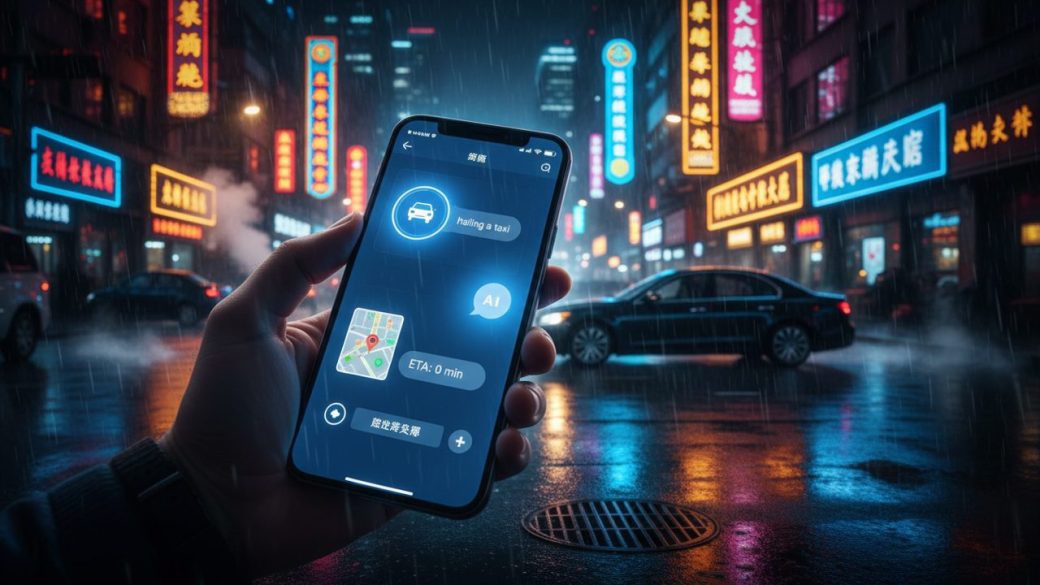
ByteDance is testing a new way to book a taxi. It has added a taxi feature inside Doubao. Doubao is its popular AI chatbot app (an app you talk to that answers questions and does tasks for you, a bit like ChatGPT). A report by TechNode says this taxi beta test is now live. A beta test means an early trial open to only a few people. Right now, only a small group of users in Beijing and Hangzhou can use it. You do not open a separate taxi app. You just type your trip into the chat. The AI does the rest.
ByteDance is a big Chinese tech company. It also owns TikTok and Douyin. Until now, Doubao was just a chat helper. Adding taxis lets it do real jobs for you in the real world.
How the in-app taxi feature works
The feature works through simple chat. You tell Doubao where you want to go. You type it the same way you would text a friend. The app reads your message. Then it works out your pickup spot and your drop-off spot on its own.
Next, Doubao finds a car that is free nearby. The report says there is a “one-click” booking button. So you can confirm the ride right inside the chat. You never leave the app. You never fill in a long form.
Who actually drives the cars
ByteDance is not buying its own cars. TechNode says the rides come from Caocao Mobility. Caocao Mobility is a taxi company that already exists. So Doubao is just the front door. Caocao Mobility gives the real drivers and cars. This is common in China. One app can pull in cars from a partner company.
Key facts about the Doubao taxi beta
| Item | Detail |
|---|---|
| App | Doubao (ByteDance’s AI assistant) |
| New feature | In-app taxi-hailing |
| Status | Beta test, limited users |
| Cities | Beijing and Hangzhou |
| Ride partner | Caocao Mobility |
| How you book | Type your trip in chat, then one-click confirm |
| Reported by | TechNode, June 23, 2026 |
Part of a bigger super-app push
This taxi test is not a one-time thing. The report says Doubao had already added e-commerce. E-commerce means buying and selling things online. Doubao also added group-buying. Group-buying is when many people buy the same deal together to get a lower price. The report calls these key parts of China’s “local services” market. That means everyday things like food, shopping, and now travel.
By adding taxis, ByteDance is moving Doubao into what the report calls the “instant mobility space.” That just means getting people from one place to another, fast. The goal looks clear. ByteDance wants people to open Doubao many times a day. Not just when they have a question. The taxi news even trended on Weibo on the day it broke. Weibo is a big social media app in China.
This fits a bigger trend in Chinese tech. Companies try to pack many services into one app. We have seen rivals chase the same idea. Examples go from Alibaba’s HappyHorse AI video model to big changes like JD.com’s moves around delivery workers and automation. AI is becoming the glue that ties all these services together.
FAQ
What is Doubao?
Doubao is ByteDance’s AI assistant app. You chat with it to get answers and help with tasks. ByteDance is the same company behind TikTok and Douyin.
Where can I use the new taxi feature?
For now, it is a beta test. A beta test is an early trial version. It is open to only some users in Beijing and Hangzhou. It is not open to everyone yet.
Does ByteDance own the cars?
No. The rides come from Caocao Mobility, a taxi partner. Doubao handles the booking. Caocao gives the drivers and cars.
Why it matters (especially for India and founders)
This is an early look at where AI apps are going. A chatbot is no longer just for answers. It is becoming a booking desk for real services like taxis. Founders should watch this closely. (Founders are the people who start companies.) The big idea is simple. You just type what you want. The AI does all the steps for you.
For India, the lesson is about distribution. Distribution means how you reach lots of users. ByteDance is not building a taxi network from zero. It is plugging a partner’s cars into an app people already use. Indian startups could do the same. They could add services on top of a popular app. That is easier than starting cold. The company that owns the user’s attention can become the gateway to many services.
It also shows how fast one app can grow its menu. Shopping, group deals, and now taxis. All inside one chat box. This bundling can be powerful. But it also raises questions about competition and choice. Regulators everywhere may want to study it. (Regulators are government bodies that make rules for businesses.)
The takeaway
ByteDance’s Doubao taxi beta is small for now. But the signal is big. Users can book a ride just by chatting. With this, ByteDance is testing a big idea. Can an AI assistant become a daily super-app? A super-app is one app you use for many different things. If the Beijing and Hangzhou trial goes well, expect more cities and more services to follow.