China’s Tech Crackdown: Antitrust Heat on Trip.com, Meituan and the Fight Against ‘Involution’
China is checking its biggest tech companies again. In 2026, the government in Beijing started a new antitrust probe into the big travel company Trip.com. An antitrust probe is a government check to see if a company is breaking the rules of fair competition.
Beijing also called in a dozen big companies. It was upset about a harsh price war in food delivery. The companies named are well known. They are Trip.com, Meituan, Alibaba, JD.com, Tencent, Baidu, and ByteDance’s app Douyin.
But this is not like 2021. Back then, a tough crackdown wiped out more than $1 trillion from Chinese tech stocks. (Stocks are small pieces of a company that people can buy and sell.) Experts told CNBC that today’s check is more careful and aimed at clear problems. The goal now is to slow down wild competition. Beijing wants to stop companies from wasting huge amounts of cash in ways that hurt the whole country’s economy.
What does “antitrust” actually mean?
Antitrust is a group of laws. They stop one company from getting so big and strong that it can push everyone else around. Think of it like a referee in a football match. The referee makes sure no team cheats, blocks rivals unfairly, or fixes the game. When a company “abuses market dominance,” it uses its huge size to bully smaller companies.
In January 2026, Beijing said Trip.com did exactly this. Officials say the company forced hotels and shops into exclusive deals. An exclusive deal means a hotel can only sell rooms through Trip.com and not through other websites. Then Trip.com raised the fees it charged them. Experts at Citibank think the probe could end in a fine of up to 4.9 billion yuan. That is about $723 million. (Yuan is China’s money.)
The food delivery price war
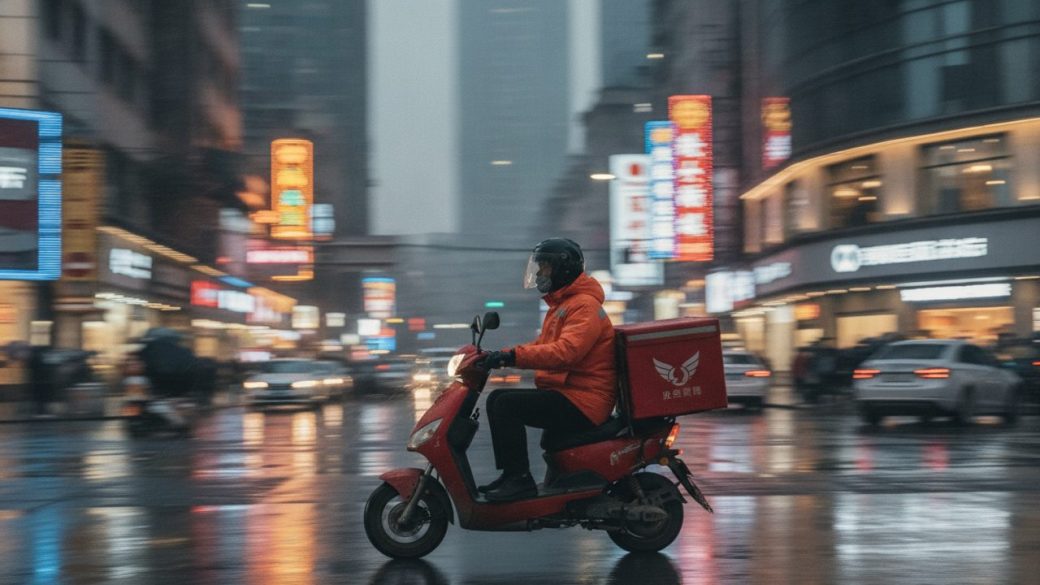
A “price war” is when rival companies keep cutting their prices. Each one wants to steal the other’s customers. It sounds great for buyers. But it can be very bad for the companies. They lose money on every sale, hoping to win more users than the other side.
China’s food delivery market has become one of the biggest price wars in the world. JD.com joined the delivery business in early 2025. It began handing out subsidies. A subsidy here means a discount or cash gift paid for by the company, not the customer. Then in July 2025, Alibaba said it would spend 50 billion yuan on subsidies for its Taobao instant shopping service. That is about $7 billion spent to make deliveries cheaper.
The biggest loser in this fight was the market leader, Meituan. In 2025, Meituan had a net loss of 23.4 billion yuan, about $3.4 billion. A net loss means the company spent more than it earned during the whole year. The year before, it had made money. Its main local business flipped from a 52.4 billion yuan profit to a 6.9 billion yuan loss.
| Key fact | Figure |
|---|---|
| Meituan net result, 2025 | Loss of 23.4 billion yuan (~$3.4 billion) |
| Meituan total revenue, 2025 | 364.9 billion yuan, up 8.1% |
| Core local commerce swing | From 52.4bn yuan profit to 6.9bn yuan loss |
| Alibaba Taobao subsidy pledge (Jul 2025) | 50 billion yuan (~$7 billion) |
| Possible Trip.com antitrust fine | Up to 4.9 billion yuan (~$723 million) |
| Food delivery probe announced | January 9, 2026 |
| 2021 crackdown stock losses | More than $1 trillion |
What is “involution” and “anti-involution”?
“Involution” is a popular word in China today. It means a race where everyone works harder and harder, but no one really wins. Picture a class where students study all night just to stay level with each other. Nobody gets ahead, and everyone is tired out. That is involution.
In business, “involution-style competition” means companies throw money into endless discounts and ads. They fight so hard for the same customers that nobody makes a profit. The government calls this a waste. It says it has “squeezed the real economy,” meaning it has hurt normal businesses. So Beijing has started an “anti-involution” campaign. The aim is to push companies back to what officials call “rational competition.” That means companies should compete on quality, not on who can lose money the fastest.
Meituan itself has spoken up for this idea. It has asked the industry to stop crazy price wars. State media (news run by the government) even reported that the fight has turned ugly. Rivals are accused of spreading bad rumors about each other, instead of just cutting prices.
Why deflation makes this worse
“Deflation” is when prices all over the economy keep falling over time. It is the opposite of inflation, when prices keep rising. Lower prices might sound nice. But deflation can be risky. When prices keep dropping, people wait to buy, hoping for an even cheaper deal tomorrow. Then companies earn less, cut jobs, and the whole economy slows down.
China has been struggling with weak demand and falling prices. Endless tech price wars make this worse. When giant companies give away food deliveries at almost no profit, they push prices down even more. This is a big reason Beijing wants the discounting to stop. The crackdown is not only about fairness. It is also about protecting the whole economy from prices spiraling down.
Who has been summoned?
Since January 2026, officials have called in about a dozen tech giants. The list includes Alibaba, Tencent, ByteDance’s Douyin, Baidu, JD.com, and Meituan. Officials warned them about harsh price fights and false promotion claims. They were worried, especially before a big June shopping festival. The group leading the food delivery review is the Office of the Anti-Monopoly and Anti-Unfair Competition Commission. It is part of China’s State Council, the country’s top government body.
FAQ
Is this the same as China’s 2021 tech crackdown?
No. Experts say the 2026 action is more careful and softer. The 2021 crackdown wiped out over $1 trillion in stock value. This time, the focus is on certain problems, like price wars and unfair deals. It is not a wide attack on the whole tech industry.
Why is Trip.com being investigated?
Officials say it abused its market power. They say it forced shops into exclusive deals and then raised fees. A possible fine could reach 4.9 billion yuan (about $723 million), say experts at Citibank.
Why did Meituan lose so much money?
There are two reasons. First, a fierce price war at home made it spend a lot on subsidies. Second, costly growth into other countries added to the pain. Together, these turned a profit into a 23.4 billion yuan loss for 2025.
What does the government want?
It wants companies to stop “involution-style” competition. In plain words, stop burning cash on endless discounts. Instead, compete on quality. This also helps fight deflation, where falling prices hurt the economy.
Why it matters (especially for India / founders)
India knows price wars well. Food delivery, quick commerce, and ride-hailing here have all seen companies burn huge cash to grab market share. China’s story is a warning. Even a giant like Meituan, the clear market leader, can fall to a $3.4 billion loss when discounting goes too far.
For Indian founders, the lesson is simple. Growth bought only with subsidies is weak. If your only edge is a cheaper price, a rival with more money can copy it overnight. Building real value lasts longer than any discount. That means better service or loyal users. There is also a lesson about rules. As Indian platforms grow bigger, antitrust checks tend to follow. Watching how Beijing deals with big firms and unfair deals gives a preview of debates that may reach India next.
The main point is clear. China’s 2026 crackdown is less about punishing tech. It is more about ending a costly race to the bottom. Beijing wants healthier competition, fewer reckless subsidies, and a steadier economy. For companies everywhere, the message is the same. Winning by losing money is not a real win.
Source: CNBC