Punjab’s Women to Get Their First Cash Transfer on July 1
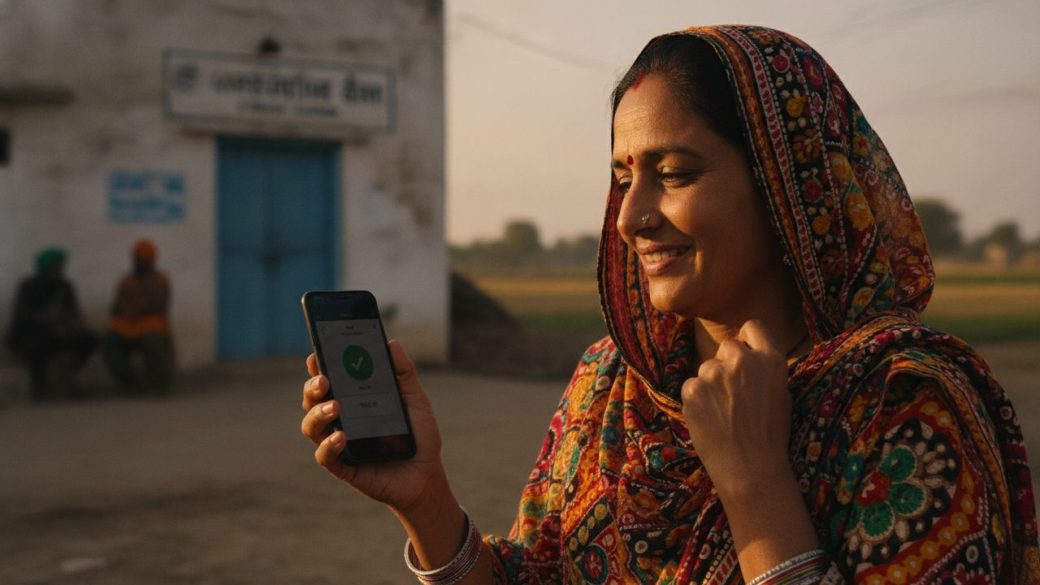
Millions of women in Punjab will get money in their bank accounts on July 1, 2026. This is the first payment from a new government plan. The plan is called the Mukh Mantri Mawan Dheeyan Satkar Yojana.
It is a cash transfer scheme. That means a government plan that puts money straight into people’s bank accounts to help them. Punjab’s Chief Minister, Bhagwant Mann, shared the date. The state government says almost all of Punjab’s women will get help.
The first payment will be bigger than normal. This is because it pays for three months at once. Below is a simple look at how the plan works, who can get the money, and why it matters.
What the scheme is
The scheme gives a set amount of money to certain women each month. The women who get the money are called beneficiaries. A beneficiary is just a person who is allowed to receive the help.
Here, the beneficiaries are women in Punjab who follow the rules. The government first shared the plan in the state budget on March 8, 2026. That day was International Women’s Day.
The scheme officially started on April 14, 2026. It runs under Chief Minister Bhagwant Mann’s government. His government is led by the Aam Aadmi Party (AAP).
How much money women will get
Most women get ₹1,000 each month. Women from Scheduled Caste (SC) or Dalit families get ₹1,500 each month. So the amount depends on the woman’s group.
The first payment on July 1 will be larger. This is because it includes “arrears.” Arrears means money that was owed from earlier months but was not paid yet.
This first payment covers three months together: April, May, and June 2026. That is why the numbers look higher. Most women will get ₹3,000. This is three months of ₹1,000.
Dalit mothers and sisters will get ₹4,500. This is three months of ₹1,500. After this one big payment, the money should come every month.
How the money is sent
The money is paid using DBT. DBT stands for Direct Benefit Transfer. It means the government sends the money straight into a person’s bank account.
There is no middleman. No cash is handed out by hand. This is meant to make payments faster and to stop cheating.
For DBT to work, each woman’s bank account must be linked to her Aadhaar number. Aadhaar is the special 12-digit ID that most people in India have. Linking the account to Aadhaar helps make sure the right person gets the money.
Key facts
| Detail | Information |
|---|---|
| Scheme name | Mukh Mantri Mawan Dheeyan Satkar Yojana |
| Monthly amount (most women) | ₹1,000 |
| Monthly amount (SC / Dalit women) | ₹1,500 |
| First transfer (most women) | ₹3,000 (covers April–June) |
| First transfer (SC / Dalit women) | ₹4,500 (covers April–June) |
| First transfer date | July 1, 2026 |
| Who is eligible | Women aged 18 and above in Punjab |
| Main exclusions | Government employees, MPs, MLAs, taxpayers |
| How money is sent | Direct Benefit Transfer (DBT) to Aadhaar-linked account |
| Reported reach | Nearly 97% of Punjab’s women |
| Reported scheme size | ₹9,300 crore |
Who can get the money
Any woman aged 18 or above in Punjab can sign up. The government says nearly 97% of the state’s women should benefit.
Some women are left out. Women who work for the government, or used to, cannot get the money. Members of Parliament (MPs) and Members of the Legislative Assembly (MLAs) cannot get it either. People who pay income tax are also left out.
There is good news for older and weaker women. Some women already get a social security pension. This includes old age pension, widow pension, or pension for people with disabilities. These women can still get this new benefit too.
How to register
Signing up is free. The government has said no center should charge any fee. Women can sign up at places like Anganwadi Centres, Sewa Kendras, Municipal Corporation offices, and Municipal Council offices.
Other centers named by the Punjab government can also take sign-ups.
What officials have said
Chief Minister Bhagwant Mann said the first payment will reach women’s bank accounts on July 1. He said the payment would cover three months at once.
This scheme is one of the big promises made by his AAP government. The same party is led at the national level by Arvind Kejriwal.
Why it matters (especially for India / founders)
This scheme is part of a bigger trend in India. Many states now give cash straight to women. The idea is simple. Putting money in women’s hands can help families and lift spending in local markets.
This matters for founders and business owners too. Founders are people who start their own companies. When millions of women have a little more cash, they may spend more.
They may buy more daily goods, school items, or small services. That can help local shops and small businesses in Punjab sell more.
There is also a money side to watch. The scheme is said to cost ₹9,300 crore. This is the fiscal cost. Fiscal cost means the amount the government plans to spend on it.
Fiscal cost matters because the money must come from the state budget. A big welfare bill can affect how much a state can spend elsewhere. This includes roads, schools, or other projects. So the scheme helps families, but it is also a big cost for Punjab.
FAQ
When is the first cash transfer?
The first payment is set for July 1, 2026. It will go straight into women’s bank accounts.
Why is the first payment ₹3,000 or ₹4,500 and not ₹1,000?
This is because the first payment covers three months together. The months are April, May, and June. Most women get ₹3,000 and Dalit women get ₹4,500. After this, the money should come every month.
Who cannot get the money?
These people cannot get the money: women who work for the government now or did before, MPs, MLAs, and people who pay income tax.
Is there a fee to register?
No. Signing up is free at all the official centers. The government has said no center should charge a fee.
The takeaway
July 1, 2026 is the first payday for women under Punjab’s new cash plan. The money will go straight into bank accounts through DBT. The first payment is bigger because it covers three months.
For families, this is steady help. For Punjab, it is a large plan that will cost money for a long time. Many people will watch it closely in the months ahead.
Source: Financial Express