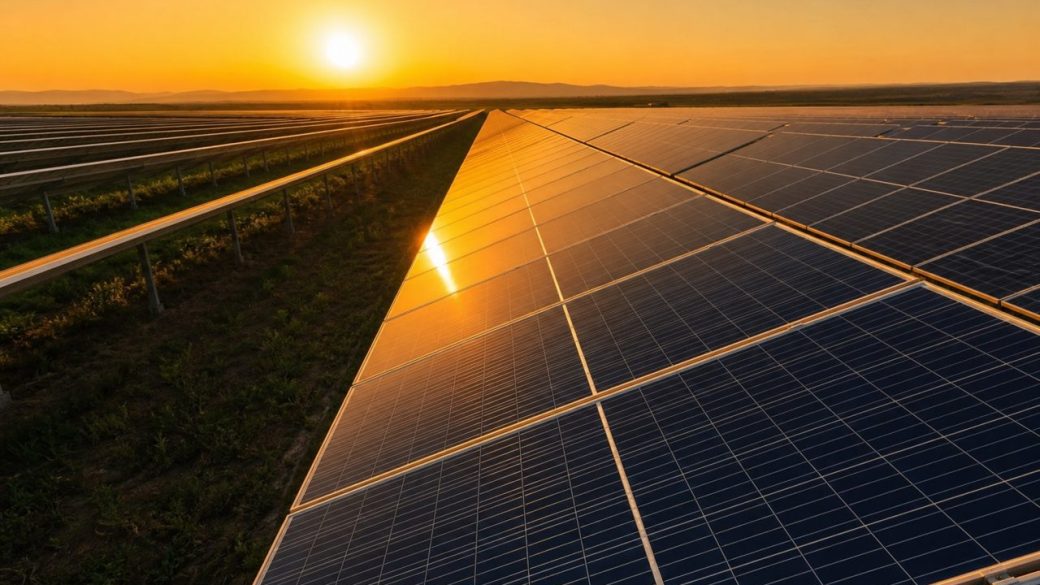
India’s rooftop solar boom is real, but the wires under your street may not be ready. Rooftop solar boom means many homes and small buildings are adding solar panels on their roofs. That helps make clean power nearby. But it also puts stress on old local grids, especially at noon when solar output peaks.
Key takeaways
- India is adding rooftop solar quickly, helped by subsidies and lower panel costs.
- Many local power lines and transformers were built for one-way power flow, not two-way flow.
- That can cause voltage swings, delays in grid approvals, and limits on new connections.
- Utilities need smarter equipment, stronger feeders, and better planning to keep pace.
Why is the rooftop solar boom running into trouble?
The basic problem is simple. India’s power grid was built to send electricity one way, from big plants to homes. Now roofs also send power back. So the system has to handle two-way traffic, and some local networks struggle.
That matters most in bright afternoon hours. At that time, many homes use less power than their panels make. The extra power goes into the grid through net metering. Net metering is a billing system that gives credit for surplus power sent back.
When too many systems push power into the same local line, voltage can rise too high. Voltage is the pressure that moves electricity. If that pressure jumps around, inverters may trip, appliances can face stress, and utilities may slow approvals for new solar users.
How big is India’s rooftop solar boom now?
The growth is hard to ignore. India has pushed rooftop systems through subsidy plans and state programs. The PM Surya Ghar scheme, for example, aims to help millions of households add solar panels with support from the Centre.
India’s total solar capacity is already well above 80 gigawatts. A gigawatt is 1,000 megawatts, or a very large amount of power. Rooftop solar is still a smaller slice than giant solar parks, but it is growing because homes and shops want lower bills.
The central government has spoken of a target of 1 crore households under PM Surya Ghar. That is 10 million homes. Even if only part of that target is reached soon, the local grid impact will be huge.
One typical home system is about 2 to 3 kilowatts. A kilowatt is 1,000 watts. If just 1 million homes add a 3 kW setup, that alone equals about 3 gigawatts of rooftop capacity spread across neighborhoods.
Where the rooftop solar boom hits the gridMorningNoonHigh solar areaLow stressVoltage riseTrips/delays
What exactly goes wrong in the local grid?
The weakest point is often the distribution network near homes. Distribution means the last stretch of the power system that serves streets and buildings. Many transformers and feeders there are old, crowded, or designed without rooftop exports in mind.
A transformer changes electricity from one voltage level to another. A feeder is the power line that carries electricity from a substation to an area. If dozens of homes on one feeder add solar, the reverse power flow can confuse protection settings and raise local voltage.
Then come practical delays. Utilities may ask for studies, equipment changes, or caps on how much solar a lane can add. That frustrates families, because they expected quick savings. It can also hurt small installers who depend on fast approvals.
Some places also need better meters and smarter control systems. A smart meter records power use in detail and can share that data automatically. Without good data, utilities may not know where the stress points are until trips and complaints begin.
Who pays for fixing the problem?
That is the tough part. State distribution companies, often called DISCOMs, run most local grids. DISCOM means a power distribution company. Many of them already face financial pressure, so big upgrades are not easy.
Yet the upgrades are not optional if the rooftop solar boom keeps rising. Utilities may need new transformers, thicker cables, voltage control gear, and better software. They may also need batteries. Batteries can store extra noon power and release it later in the evening.
The cost can add up fast. Rebuilding every neighborhood would be expensive. But targeted fixes work better. If utilities focus on feeders with the most solar demand first, they can avoid bigger failures later.
| Issue | What it means | Likely fix |
|---|---|---|
| High voltage at noon | Too much power flows back from roofs | Voltage control, feeder upgrades |
| Approval delays | Utilities check if local lines can cope | Faster studies, digital applications |
| Transformer overload | Local equipment faces new stress | Bigger transformers, better planning |
| Inverter tripping | Solar systems shut off for safety | Smarter settings, stronger grid |
Why does this matter for families and small businesses?
Because rooftop solar is supposed to cut bills. If approvals slow down or systems trip often, the savings shrink. A shop owner who planned to lower daytime power costs may have to wait months. That changes the payback math.
Payback means how long it takes savings to recover the upfront cost. For many homes, that can be around a few years with subsidy help. But delays, export limits, or weak local voltage can stretch that timeline.
This is also about fairness. People who invest in cleaner power expect the grid to accept it. If richer areas with better infrastructure get approvals faster, poorer areas may fall behind. So grid upgrades become a public policy issue, not just a technical one.
What should India do next as the rooftop solar boom grows?
First, map problem areas before they turn into crisis zones. Utilities know which feeders are crowded. They should publish simple hosting maps. Hosting capacity means how much new solar a local line can safely handle.
Second, speed up smart meters and grid sensors. Sensors are tools that track what is happening on the network. Better data helps utilities spot trouble early and approve safe connections faster.
Third, pair rooftop systems with batteries where possible. That can reduce the noon surge and save power for evening use. It also helps homes during outages, though backup rules depend on the system design.
India has seen similar policy push-and-pull in other energy stories. You can see that in our report on the Delhi EV policy tax waiver and in this piece on how fuel sale curbs for commercial buyers were lifted. Infrastructure often lags policy at first, but then catches up.
For finance and utility stress, read our coverage of Yes Bank’s ₹16,000 crore fund-raise and SBI’s FY26 spending. Big systems need money, planning and patient execution.
The core answer is this:
India’s rooftop push is not failing. The grid just needs to catch up. The faster local networks become smarter and stronger, the faster rooftop solar can grow without causing voltage swings, tripping, and long approval delays.
For official scheme details, readers can check the PM Surya Ghar portal. For national power sector data and updates, the Ministry of New and Renewable Energy remains the key primary source.
FAQs
What is rooftop solar boom?
Rooftop solar boom means a fast rise in solar panels on homes, shops and small buildings. These systems make power where people use it.
Why does too much rooftop solar affect the grid?
It can push extra power back into local lines at the same time. So voltage may rise and safety systems may shut some units off.
Who needs to fix the bottleneck?
Mainly local utilities and state governments. But installers, housing groups, and central agencies also have to help with planning and data.
When will the problem get better?
It should improve as utilities add smarter meters, stronger feeders and better transformers. Places that plan early will likely improve first.