State Bank of India (SBI) significantly amped up its marketing firepower, increasing its advertising and publicity expenditure to ₹4,246.6 crore in FY26.
According to the bank’s FY26 annual report, this represents a 13% year-on-year growth from the ₹3,742 crore spent during the previous fiscal year (FY25). The massive allocation underscores a deliberate push by India’s largest public sector lender to reinforce its digital infrastructure and consumer touchpoints during a highly profitable year.
1. Where the ₹4.2K+ Crore Went
SBI’s multi-billion-rupee marketing deployment wasn’t just a traditional media blitz; it was split across high-impact digital overhauls, major entertainment sponsorships, and ground-level customer education:
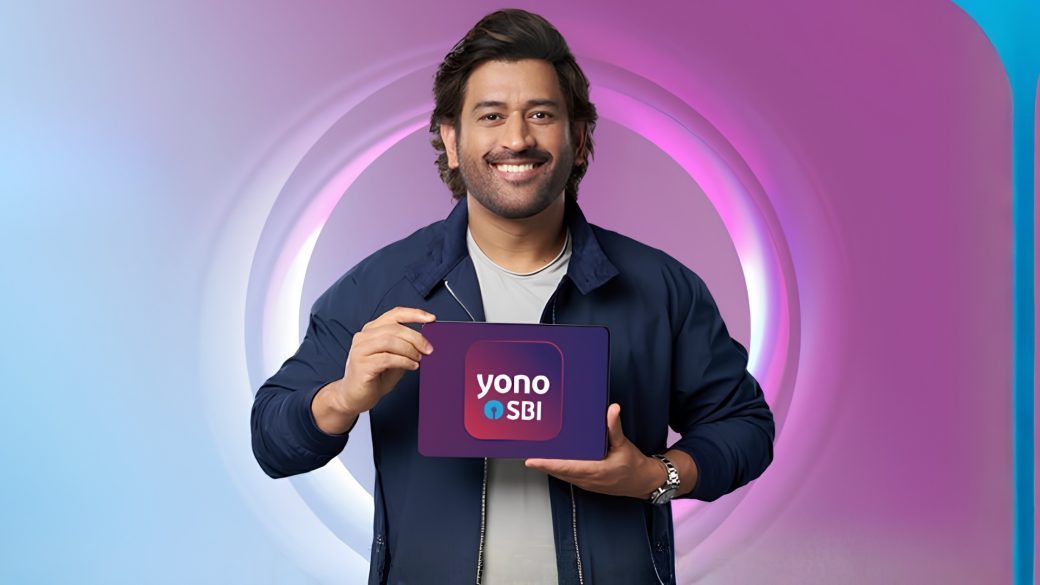
- The YONO Digital Engine: A major portion of the spend supported the marketing blitz for the upgraded version of YONO, SBI’s flagship digital banking platform, which crossed 10 crore registered users during the year.
- Prime-Time Entertainment Hooks: The lender maintained high-visibility television partnerships by serving as a major brand sponsor for prime-time family television shows, including Kaun Banega Crorepati (KBC) and Indian Idol.
- The Digital Partner Lock-In: Highlighting its pivot toward advanced technology-driven outreach, SBI awarded a massive standalone ₹250–260 crore digital marketing mandate to Omnicom Media India. The agency is utilizing data engines like Omni and Acxiom to handle localized performance marketing and micro-targeted audience campaigns.
- Public Safety Campaigns: The bank directed heavy ad capital into pan-India cybersecurity and digital financial literacy campaigns to protect its massive account base from emerging phishing and payment frauds.
2. The Financial Paradox: Why Spend Big?
While a ₹4,246 crore ad budget is historically high for a public sector bank, the expenditure looks modest when mapped against SBI’s staggering operational balance sheet for FY26:
 [ Net Interest Income: ₹1,73,120 Cr ] ──► Total Net Profit: ₹80,032 Cr (Up 13% YoY)
                                                    │
                                                    ▼
 [ Total Business: ₹109+ Lakh Crore  ] ──► Advertising & Publicity Outlay: ₹4,246.6 Cr
                                           (Accounts for less than 0.8% of Total Income)
The heavy marketing push directly aligned with key business milestones:
- Market Share Gain: The aggressive customer acquisition push helped SBI claw back market share among all Scheduled Commercial Banks (SCBs), climbing 47 basis points to capture 28.14% of the market by March 2026.
- Social Footprint: SBI’s official follower base across its seven primary social media channels grew 47.6% to reach 5.22 crore subscribers, adding over 1.68 crore new followers in 12 months.
- Alternate Channel Domination: Thanks to high digital visibility, alternative banking channels (UPI, internet banking, ATMs) successfully absorbed 98.7% of all total consumer banking transactions, shifting the heavy operational load entirely away from brick-and-mortar branches.
3. Top Indian Corporate Ad Spenders
With this budget scaling up, SBI solidifies its position among the absolute heaviest corporate advertising and marketing spenders in the country, rubbing shoulders with consumer product and digital giants:
| Company Name | Estimated Annual Ad/Marketing Spend | Primary Structural Focus |
| Hindustan Unilever (HUL) | ~₹6,000–6,500 crore | Mass-market FMCG retail, television, and rural print campaigns. |
| State Bank of India (SBI) | ₹4,246.6 crore | YONO app onboarding, deposit acquisition campaigns, and prime-time TV sponsorships. |
| Reliance Industries (Jio/Retail) | ~₹3,800–4,300 crore | 5G ecosystem promotions, quick-commerce digital acquisition, and IPL streaming partnerships. |
| Maruti Suzuki | ~₹1,200–1,500 crore | New model launches, regional programmatic digital media, and experiential auto events. |
By backing its record-breaking ₹80,032 crore net profit with an aggressive multi-channel media presence, SBI is functioning less like a conservative legacy bureau and more like an agile, tech-forward retail enterprise—ensuring its digital ecosystem remains dominant as private-sector peers push aggressively for retail deposits.