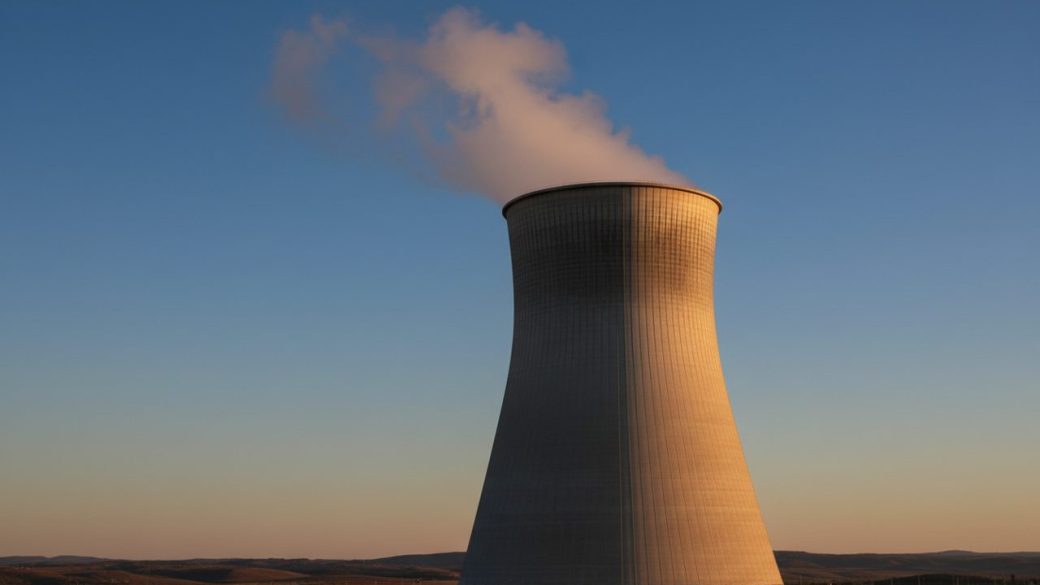
Nuclear projects talks are moving ahead for the Naveen Jindal Group. Nuclear projects talks means early discussions to build nuclear power plants with outside partners. The group is speaking with US and French companies for possible projects in India. That matters because nuclear power can make large amounts of electricity with low carbon emissions.
Key takeaways
- Naveen Jindal Group is in nuclear projects talks with US and French firms.
- The plan is still at the discussion stage, so no final project has been announced.
- Nuclear plants can produce steady power day and night, unlike some weather-based sources.
- India wants more clean energy, and nuclear could become a bigger part of that mix.
What is happening in these nuclear projects talks?
The Naveen Jindal Group has started nuclear projects talks with companies from the United States and France, according to a report by The Hindu BusinessLine. These are not signed deals yet. They are early talks about technology, partners, and how future plants might work.
That distinction matters. A memorandum or early discussion is not the same as a final contract. It means both sides are checking if the plan makes business and policy sense.
The report points to a possible private sector role in future nuclear power development. For years, nuclear power in India has mostly been led by the state. State means the government and its public companies.
Why would Jindal want nuclear power now?
Power demand in India keeps rising as cities grow, factories expand, and more people use air conditioners, phones, and electric devices. A big steel or energy group may want reliable electricity because power cuts and price spikes can hurt business. Nuclear plants can help since they run for long hours and do not depend on sunlight or wind speed.
That makes nuclear different from solar and wind. Solar works when the sun shines. Wind works when the wind blows. Nuclear can keep going day and night, so it gives what experts call baseload power. Baseload power means steady electricity that supports the grid all the time.
India also wants to cut emissions while still growing fast. Emissions are gases that heat the planet. Nuclear power produces very low direct carbon emissions, so some policymakers see it as part of the clean energy mix.
How big is India’s nuclear power system today?
India’s nuclear fleet is still small compared with coal, solar, and even large hydro. According to the International Atomic Energy Agency, India has more than 20 operating reactors. Their combined capacity is a little over 8 gigawatts. A gigawatt is 1,000 megawatts, and that is enough to power many cities.
By comparison, India’s total installed power capacity is well above 400 gigawatts. So nuclear is only a small slice today. But even a small slice can matter because nuclear plants often run at high output for long periods.
The government has talked for years about lifting nuclear capacity over time. That is one reason these nuclear projects talks could draw attention well beyond one business group.
India power capacity snapshotCoal and ligniteSolarWindNuclear ~8 GW
Why are US and French firms important?
US and French companies have long experience in reactor technology, project design, and nuclear services. Reactor means the core machine that makes heat from atomic reactions. That heat then helps make steam, which spins turbines to produce electricity.
France is one of the world’s best-known nuclear power countries. The United States also has a large nuclear industry and several firms with reactor expertise. So if Indian groups want to enter this field, foreign partners can bring know-how, equipment ideas, and safety systems.
Still, foreign partnerships in nuclear energy are not simple. They depend on policy, liability rules, financing, and land. Liability rules decide who pays if something goes wrong. Financing means how a very costly project gets funded.
What are the big hurdles before a plant can be built?
First, nuclear plants are expensive. One large reactor project can cost billions of dollars. That means companies need patient money and long timelines, often stretching 7 to 10 years or more.
Second, India’s nuclear sector has strict rules because safety comes first. Safety reviews, site checks, and environmental clearances can take years. Environmental clearance means official approval after studying the effect on land, water, air, and people.
Third, local support matters a lot. People living near a proposed site usually want answers about jobs, safety, and water use. If they do not trust the project, delays can grow.
There is also the question of who will own and run the project. That is why nuclear projects talks can stay in the planning stage for a long time before any shovel hits the ground.
How does this fit into India’s wider energy push?
India is trying to build many kinds of power at once. It is adding solar parks, wind farms, battery storage, and new transmission lines. Transmission lines are the tall-wire networks that move electricity across long distances.
But the country also needs steady supply for factories and growing cities. That is where nuclear power may help, along with hydro and gas in some cases. The idea is not to replace renewables. It is to support them when the weather changes.
For another part of India’s energy shift, read our report on DCM Shriram’s renewable energy expansion to 176 MW. You can also see how industry demand is changing in our piece on why the world is racing for copper demand.
What should readers watch next?
Watch for a few signs. First, see if these nuclear projects talks turn into formal partnerships or announcements. Second, watch whether the companies name a possible site, technology partner, or project size.
Third, follow policy signals from New Delhi. If the government opens more room for private participation, these plans could move faster. The IAEA and India’s Department of Atomic Energy will remain key reference points for safety and policy context.
This story also fits a wider business trend. Big groups want energy security, not just energy supply. Energy security means having power you can count on at a price you can handle.
Nuclear projects talks do not mean a plant is coming tomorrow. They do show that major Indian business groups are looking at nuclear power as a serious long-term source of steady, low-carbon electricity.
| Topic | What we know now |
|---|---|
| Companies in talks | Naveen Jindal Group with US and French firms |
| Stage | Early discussions, no final project announced |
| Why it matters | Could support clean, steady electricity growth in India |
| Main hurdles | Cost, regulation, safety, financing, local support |
If you want more on how major industries are planning for future demand, our coverage of the India GDP growth outlook for FY27 gives helpful context. We also looked at how manufacturing policy may change in our story on Semicon 2.0 equity norms.
FAQs
What are nuclear projects talks?
Nuclear projects talks are early discussions about possible nuclear power plants, partners, funding, and technology. They are not final deals.
Why does nuclear power matter for India?
It can provide steady electricity with low direct carbon emissions. That helps when power demand rises and weather-based energy changes.
Who could partner with the Jindal group?
The report says the group is in talks with firms from the US and France. No final company tie-up has been publicly confirmed yet.
Get the day’s top stories in your inbox
One concise email. No spam, unsubscribe anytime.